Friday, October 9, 2026 SourcesAbout🌓
🇺🇸 US ▾
BREAKING
› Dominion still has pending lawsuits against election deniers such as Rudy Giuliani and Sidney Powell› Russia is 'going backwards' in equipment and deploying post WWII-era tanks, according to Western officials› Podcast: One country musician is calling for other artists to oppose assault rifles› Bidets save you money and reduce waste — we tested the best options out there› 50+ products to make your life easier and our planet cleaner› Mother's Day is around the corner. Here are 50+ thoughtful gifts she'll love› A head-to-toe guide of how men should dress this spring, and where they should shop› 42 of the most useful travel products you can buy on Amazon› The 7 best high-yield savings accounts of April 2023› Taxes are due tomorrow. Here's how to file for an extension› Dominion still has pending lawsuits against election deniers such as Rudy Giuliani and Sidney Powell› Russia is 'going backwards' in equipment and deploying post WWII-era tanks, according to Western officials› Podcast: One country musician is calling for other artists to oppose assault rifles› Bidets save you money and reduce waste — we tested the best options out there› 50+ products to make your life easier and our planet cleaner› Mother's Day is around the corner. Here are 50+ thoughtful gifts she'll love› A head-to-toe guide of how men should dress this spring, and where they should shop› 42 of the most useful travel products you can buy on Amazon› The 7 best high-yield savings accounts of April 2023› Taxes are due tomorrow. Here's how to file for an extension
Technology

Neanderthal wooden tools from Spain found preserved in stone
Ars Technica ·
Neanderthal wooden tools from Spain found preserved in stone

The Stone Age owes its name to tools that survived to our time.

The material early humans worked with most, though, was probably wood because it is so much easier to process.

Unfortunately, we know very little about Paleolithic woodwork because wood rots relatively quickly.

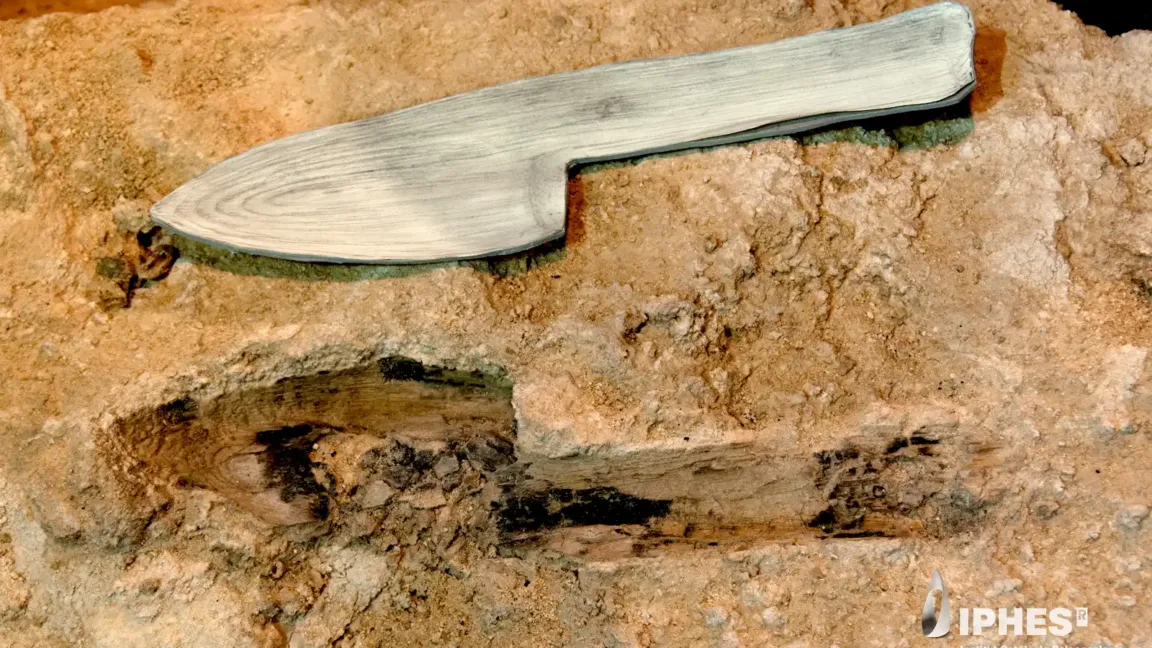
But at Abric Romaní, a rock shelter in Capellades, west of Barcelona, mineral-rich water coated wooden Neanderthal tools in a limestone-like crust.

When wood rotted away, it left behind hollow molds that faithfully reflect its shape.

In a recent Science Advances study, a team of Spanish archaeologists has cataloged 597 wooden remains from Neanderthal living areas dating from 62,000 to 40,000 years ago.

They found spears, digging sticks, bark trays, parts of shelters, and a club unlike anything seen before, suggesting Neanderthals were likely much more than just Homo sapiens’ dumber cousins.

Beyond hunting gear The oldest wooden artifacts we have are mostly weapons.

They include spears from a German town called Schöningen, a spear tip from Clacton-on-Sea in England, and the spear found alongside an elephant skeleton in Lehringen, Germany.

Most came from waterlogged sediments, where a lack of oxygen slowed decay.

Read full article Comments

Read the full article on Ars Technica ›

5News aggregated this summary from the outlet’s public feed. The full article, with all the context, is on arstechnica.com — the content belongs to Ars Technica.


More from Ars Technica

See all ›

More in Technology

See all ›