Roger Waters, Guy Pearce, Annie Ernaux Urge Venice Fest to Take “Concrete Action” for Palestine in Open Letter
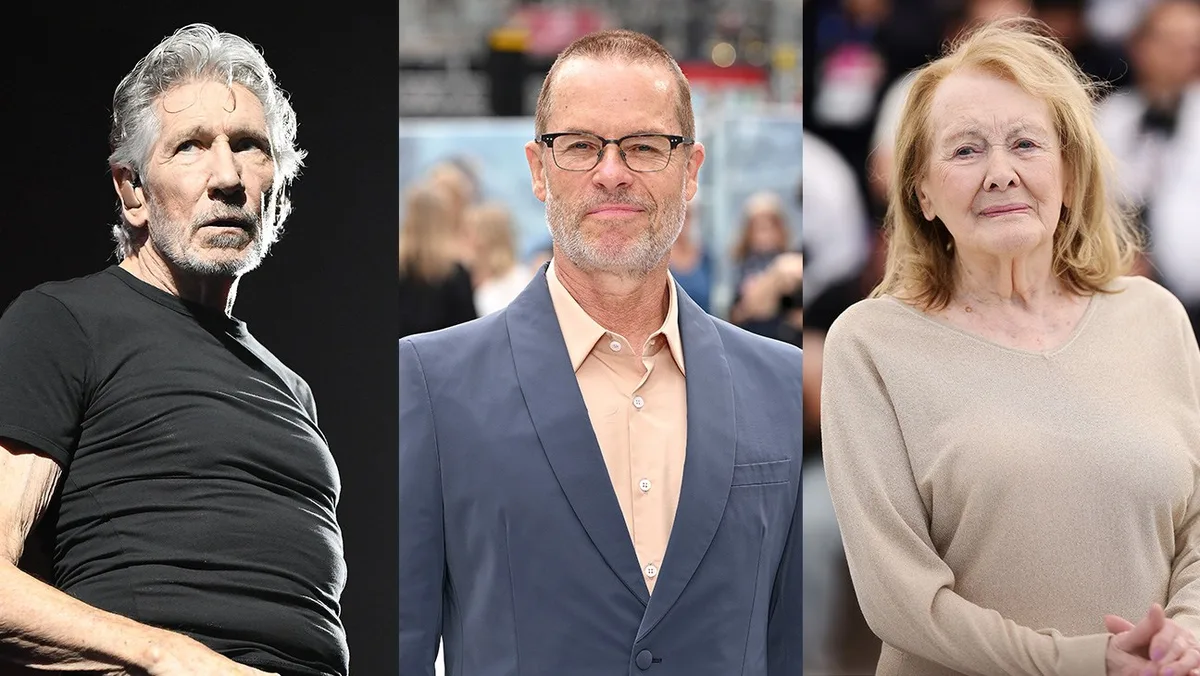
Pink Floyd’s Roger Waters, Nobel-winning writer Annie Ernaux, actor Guy Pearce and a host of Italian and international artists have signed an open letter to the Venice Biennale and the Venice Film Festival calling on the event to take “concrete action” against what they describe as a genocide against the Palestinian people.
The appeal under the Venice4Palestine banner follows a similar open letter to the Venice film festival a year ago that has apparently yielded no tangible results for Gaza. “A new normality… has emerged—thanks in part to a false ceasefire. Israel has not only not stopped, but has continued its atrocities, expanding its firepower toward the West Bank, Syria, Lebanon, and Iran. For the Palestinian people, nothing has changed, and tears are not enough to absolve us: rather, they are evidence that we are unable to draw sufficiently on our collective power of action,” the latest open letter states. Related Stories Movies Peter Cullen, Voice of Optimus Prime in 'Transformers,' Dies at 85 Fall Fest Exclusive A Deep Dive Into 'Possible Love': Lee Chang-dong on His Searingly Acted Study of Class and Filmmaking
The appeal also calls on Venice to “raise the Palestinian flag for the entire duration of the festival alongside all the other flags representing the films present in the official selection, as is standard practice and as already acknowledged by the festival’s official information sources.”
The 2026 signatories include directors Isabel Coixet, Céline Sciamma and Matteo Garrone, Palestinian directors Arab Nasser and Tarzan Nasser, French-Israeli director Eyan Sivan.
Venice4Palestine representatives will be part of a Sept. 8 panel at Venice, entitled Yet Gaza Continues to Burn, on the Lido.
A year ago, thousands of people joined the Venice4Palestine call to put Palestine in the spotlight at the Venice Film Festival and bring the resistance of the Palestinian people to the center of public discourse: finally, we were talking openly about genocide instead of war . While we were calling on the Biennale and the Venice Film Festival to take a clear stance and on film workers to express their solidarity, the screening of Sawt Hind Rajab ( The Voice of Hind Rajab ), during the festival, suddenly seemed to take on those demands, generating collective emotion and indignation. In the days and weeks that followed, as part of that stream of popular consciousness that had been created, millions of us took to the streets and went to sea in solidarity with the Palestinian people. A wave of participation gave us hope that together we could help stop the genocide.
A new normality, however, has emerged—thanks in part to a false ceasefire. Israel has not only not stopped, but has continued its atrocities, expanding its firepower toward the West Bank, Syria, Lebanon, and Iran. For the Palestinian people, nothing has changed, and tears are not enough to absolve us: rather, they are evidence that we are unable to draw sufficiently on our collective power of action. Palestine reminds us that “another world is possible.” Twenty-five years ago, we experienced the collective trauma of Genoa 2001.
5News aggregated this summary from the outlet’s public feed. The full article, with all the context, is on www.hollywoodreporter.com — the content belongs to The Hollywood Reporter.