US soldiers can't be protected from all bioweapons, Army admits amid troubling surge in threats
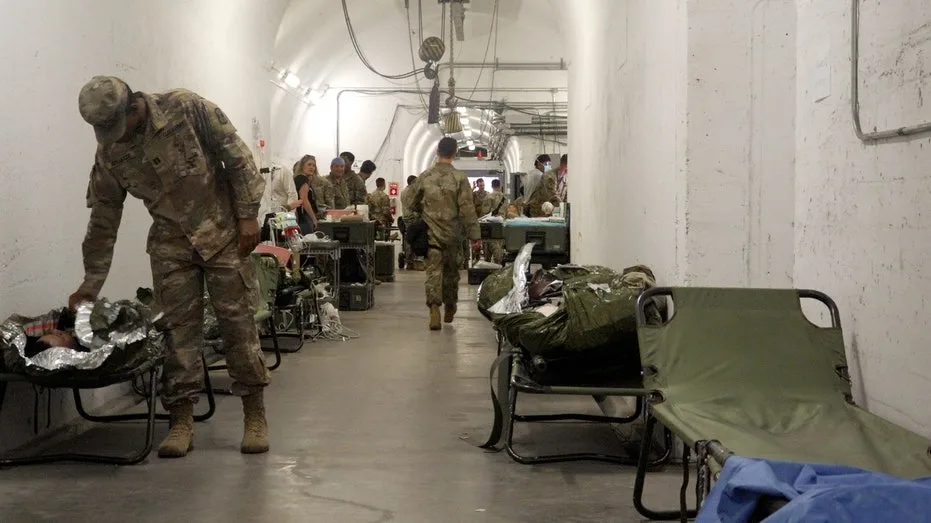
The U.S.
Army unveiled its plan to prepare soldiers to fight through biological attacks rather than assume every threat can be stopped.
The newly signed plan bringing biological warfare scenarios into routine combat training as artificial intelligence (AI) and biotechnology raise new concerns about the weapons America's adversaries could develop in the near future.
"Can we protect every soldier from every possible bio threat? Probably not," Dr.
Alison Tamasi, a senior official at the Army's Nuclear and Countering Weapons of Mass Destruction Agency, told reporters on Monday.
"We can't put them in a bubble," she added.
The shift comes as U.S. officials continue to assess whether Moscow maintains an offensive biological weapons program after a mysterious death in Russia was linked to an anti-plague facility — reviving questions of biological safety and transparency.
CHINESE AI MODEL INVESTIGATED AFTER RESEARCHER SAYS IT PROVIDED INSTRUCTIONS FOR BIOWEAPONS, ASSASSINATIONS Still, the Army hopes their implemented plan will help prepare the force to deploy and fight in biologically contested environments by 2035.
Rather than treating outbreaks primarily as medical emergencies, the military wants commanders, intelligence officers and logistics personnel to prepare for biological threats while continuing to carry out their combat missions.
EMERGING TECH HAS NEW ARMY LEADERS WARNING TROOPS CAN'T ‘AI’ THEIR WAY TO VICTORY ON THE BATTLEFIELD One of the biggest changes will be bringing biological incidents into major Army combat exercises , forcing commanders to respond to potential outbreaks while continuing their other missions.
Rather than relying on specialized biological exercises, the Army wants troops across different military functions to confront biological threats as part of their regular training.
Tamasi described one scenario involving a simulated norovirus outbreak at a military port.
While medical personnel worked to contain the outbreak, logistics officers would have to determine how to keep critical supplies moving.
The example illustrates a broader shift in the Army's approach: Biological threats are no longer being treated solely as medical problems but as potential disruptions to military operations that commanders must be prepared to manage.
5News aggregated this summary from the outlet’s public feed. The full article, with all the context, is on www.foxnews.com — the content belongs to Fox News.