Climate disasters are growing. So are cuts to programs that prepare for them
Millions of people face deadly climate-related disasters as international aid programs are slashed
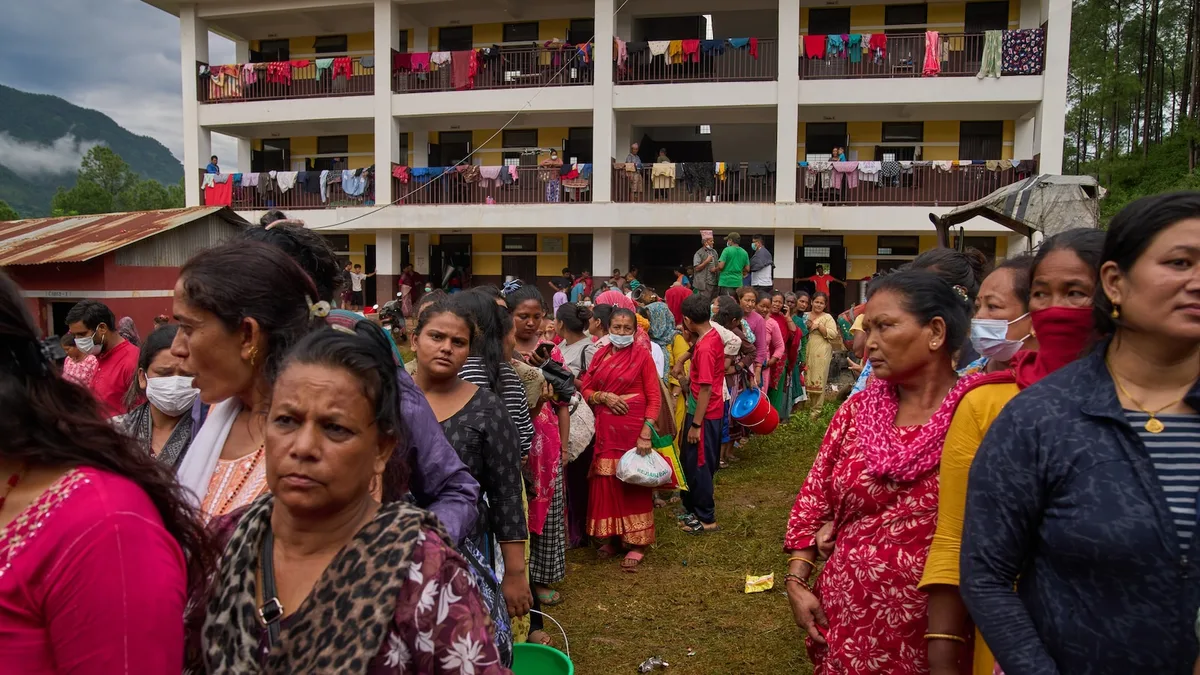
KATHMANDU, Nepal -- Sitting on the floor of a makeshift shelter for survivors of Nepal's deadly recent floods , Tenzin Dolma Ghale said she had nothing left but the clothes she was wearing. Her entire village and members of her family were washed away by the surge of water and debris that killed over 1,450 people and left more than 6,000 missing.
After speaking, she waved a hand and looked at the ground. “It’s all finished,” she said.
Ghale is among millions of people living with the deadly consequences of climate-related disasters. As such disasters intensify , international climate adaptation and disaster preparedness aid programs have been slashed, leaving countries facing billions of dollars in avoidable damage and dwindling recovery funds.
“The reality is that we need trillions of dollars every year, but developed countries have not met their obligation,” said Harjeet Singh, founding director of New Delhi-based Satat Sampada Climate Foundation.
The Trump administration’s abrupt cuts to U.S. foreign aid in 2025 eliminated or sharply curtailed programs serving millions of people worldwide, with devastating consequences for many communities. Reductions by other major donor countries deepened the funding crisis.
Among the programs shut was SERVIR-Hindu Kush Himalaya, a joint initiative of the U.S. Agency for International Development, NASA and the Kathmandu-based International Centre for Integrated Mountain Development, or ICIMOD.
Covering Afghanistan, Bangladesh , Myanmar, Nepal and Pakistan, the program used satellites and geospatial analysis for disaster risk reduction, water resources and land cover. It facilitated flood risk services, collaboration with the Nepal Red Cross Society on risk communication and more than 170 public data sets on glaciers, disasters and vulnerability.
Glacial and disaster preparedness experts praised the organization for its extensive research, cross-border coordination and support of local disaster reduction measures.
Before losing its funding due to USAID cuts, the program addressed mounting risks in a region where climate change has caused rapid glacier melt, shifting monsoons and increasingly frequent floods, landslides and glacial lake outburst floods, or GLOFs. Those changes endangered food, water and energy security for nearly 2 billion people living in or downstream of the region, according to ICIMOD.
Himalayan glaciers are losing mass 65% faster than they were a decade ago, according to a new report by global consultancy Systemiq, produced with ICIMOD.
5News aggregated this summary from the outlet’s public feed. The full article, with all the context, is on abcnews.go.com — the content belongs to ABC News Money.