Amazon tells sellers to pay up to get your packages to you faster
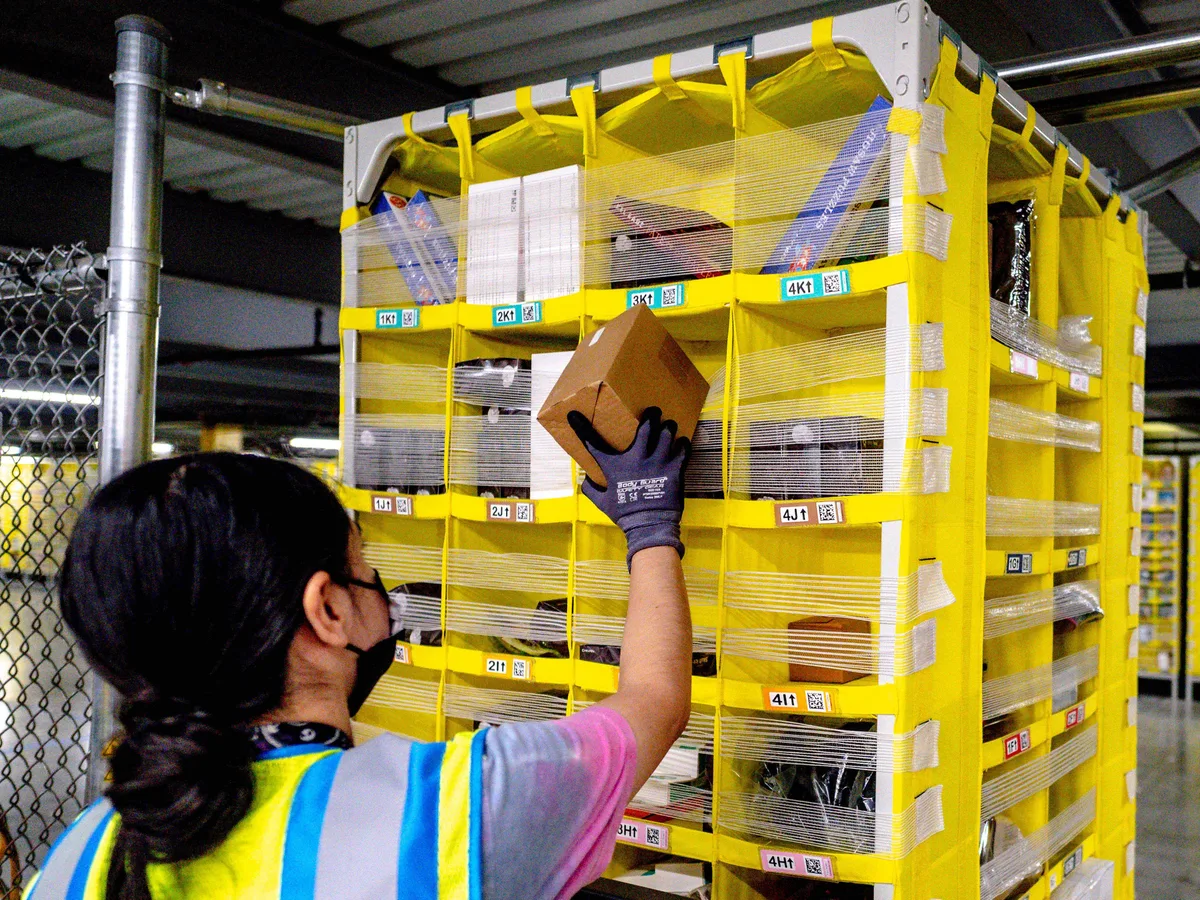
Amazon is asking some of its third-party sellers to bid for access to one of its fastest shipping options.
Watchara Phomicinda/MediaNews Group/The Press-Enterprise via Getty Images Amazon wants more products delivered in as little as a couple of hours.
Now it wants some third-party sellers to bid for fast-shipping eligibility.
"I would rather that they just have an elevated cost," one seller says Amazon is turning to third-party sellers to expand one of its fastest shipping options — and asking them to pay up for it.
The e-commerce giant is asking some sellers who use Fulfillment by Amazon, or FBA, to submit bids to make their products eligible for "sub-Same Day" delivery, according to an email sent to sellers earlier this month.
Sub-Same Day deliveries arrive as soon as two hours after customers place an order and are available in 2,300 metro areas, according to Amazon.
Items sold through sub-Same Day delivery "have experienced 12% higher sales on average" than those delivered through regular FBA service, Amazon wrote in the email.
"You pay only for units that actually ship through Sub Same Day, at the per-unit price you bid," the email reads.
"Participation is optional, and you're never charged more than the price per unit you set." The bid system could increase what sellers pay to Amazon, people who advise sellers told Business Insider.
Under FBA, sellers already pay Amazon to store and pack their inventory.
Amazon charges some fees on a per-item basis, while others are a percentage of each sale.
"For the first time, sellers can choose which additional products to offer at faster speeds based on their own business expertise and customer insights," a company spokesperson told Business Insider about the bidding system.
Amazon will evaluate bids using factors such as customer feedback, the company said.
Items sold by third-party sellers for sub-Same Day delivery span several categories, from groceries to toys.
5News aggregated this summary from the outlet’s public feed. The full article, with all the context, is on www.businessinsider.com — the content belongs to Business Insider.