One of Summer’s Greatest Food Delights Also Takes a Lot of Work. That’s Starting to Change, and Not Everyone’s Happy About It.
Sign up for the Slatest to get the most insightful analysis, criticism, and advice out there, delivered to your inbox daily.
On a recent outing to the opulent, subterranean cocktail lounge Kitty’s Cosmopolitan Club in Chicago, four friends eagerly agreed to order the Dungeness crab “cocktail,” among other posh snacks, to wash down with silky gin martinis stirred tableside.
The crab arrived shelled, piled jarringly into a fluted scallop shell. The meat itself was delicious, buttery-sweet, exhaling gentle heat and bright citrus. But the lack of effort to excavate it troubled me, as did the use of a bivalve shell to present crustacean meat. Was this just a daring bit of intraspecies accessorizing, or maybe a practical or real-estate decision? After all, who wants the messy, time-consuming business of cracking crab claws while sipping a long-necked martini? (I do!)
The next morning, the nose-to-tail British restaurant St. John issued an eerily prescient plea on Instagram disguised as an ad for its whole-crab lunch.
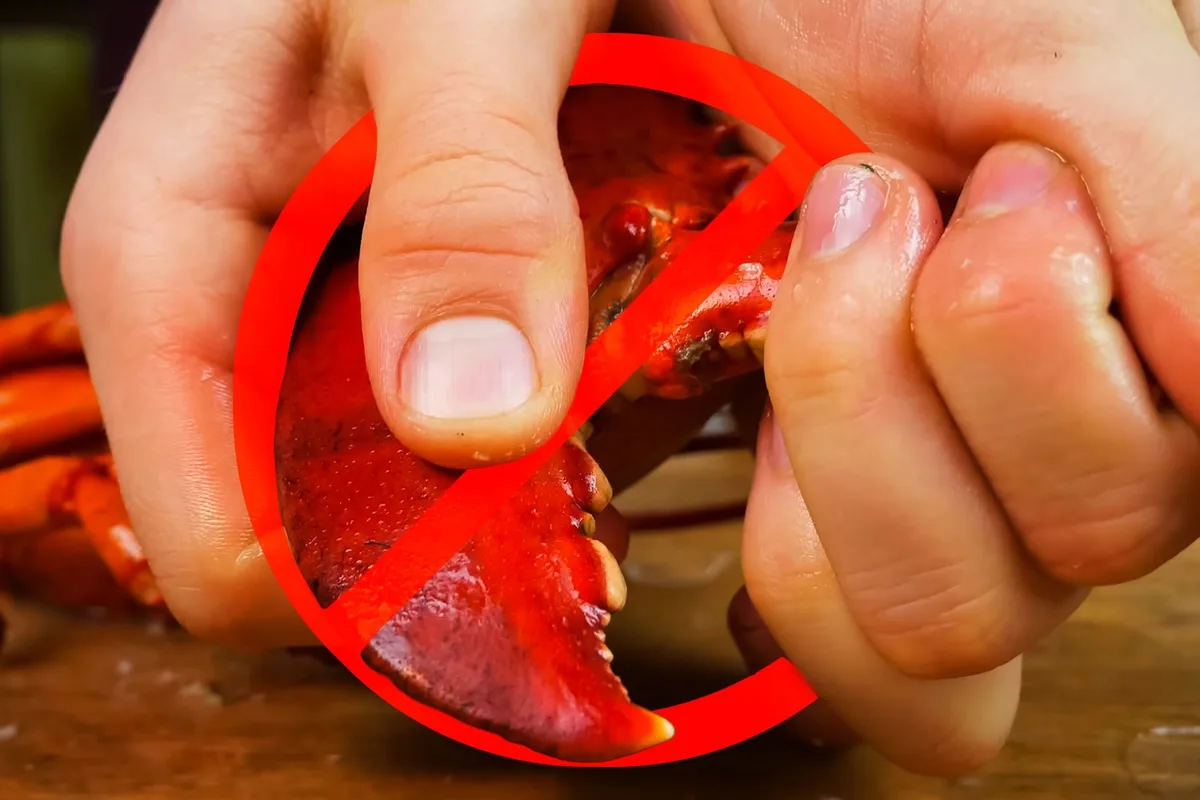
“Do not think of the crab as a task,” read the caption, beneath a grinning CEO Trevor Gulliver with a claw in each hand. “It is an engagement to be taken with patience and pleasure. The joys of the claws, the white meat and the brown meat, with a glass of white wine to aid the digestion and appreciation. Simply enjoy the time it takes.”
For a long time, shell-on crustaceans were common in restaurants, from dressed-down to special occasion, coastal to landlocked. The Marie Antoinette–esque extravagance has always been there (see the never-say-die seafood tower ). But there was a time not long ago when mom-and-pops and casual sit-down restaurants displayed fresh lobsters and crabs in tanks, cheerfully arming patrons with shell-cracking tools and plastic bibs. In the 2010s, fast-casual crab-boil restaurants proliferated nationwide, buoyed by the irresistible virality of buttery whole crabs and corn being dumped from Old-Bay–spiced bags onto communal platters. Social-media candy or not, it platformed a genuinely appealing idea: that coming together to tear, suck, and pluck coveted sweet crabmeat from its shell might not only be fun but also a fine equalizer for our increasingly brittle egos—that is until COVID snuffed many of them out.
Nowadays, unless you live in the bayou or Low Country with a grandma who throws backyard crab boils or you can afford a $200-per-pound spindly pile of king crab at a posh steakhouse, your exposure to this messy brand of hands-on eating has largely dried up. As shell-on hedonism slowly gives way to prepicked, preseasoned piles in pretty tins or borrowed bivalve shells, do we still value the time and untidy labor of shelling crabs? Are we forgoing our few remaining connections to the creatures we eat in the name of convenience?
“The West’s addiction and kink for convenience here has sort of surpassed the labor that is so inherent to eating and cooking and food in general,” New York–based food writer Anikah Shaokat told me. “Crab is, like, the one thing that still has the ability to have people interact with what they’re eating.
5News aggregated this summary from the outlet’s public feed. The full article, with all the context, is on slate.com — the content belongs to Slate.