The annoying scam that may be hiding in your work calendar
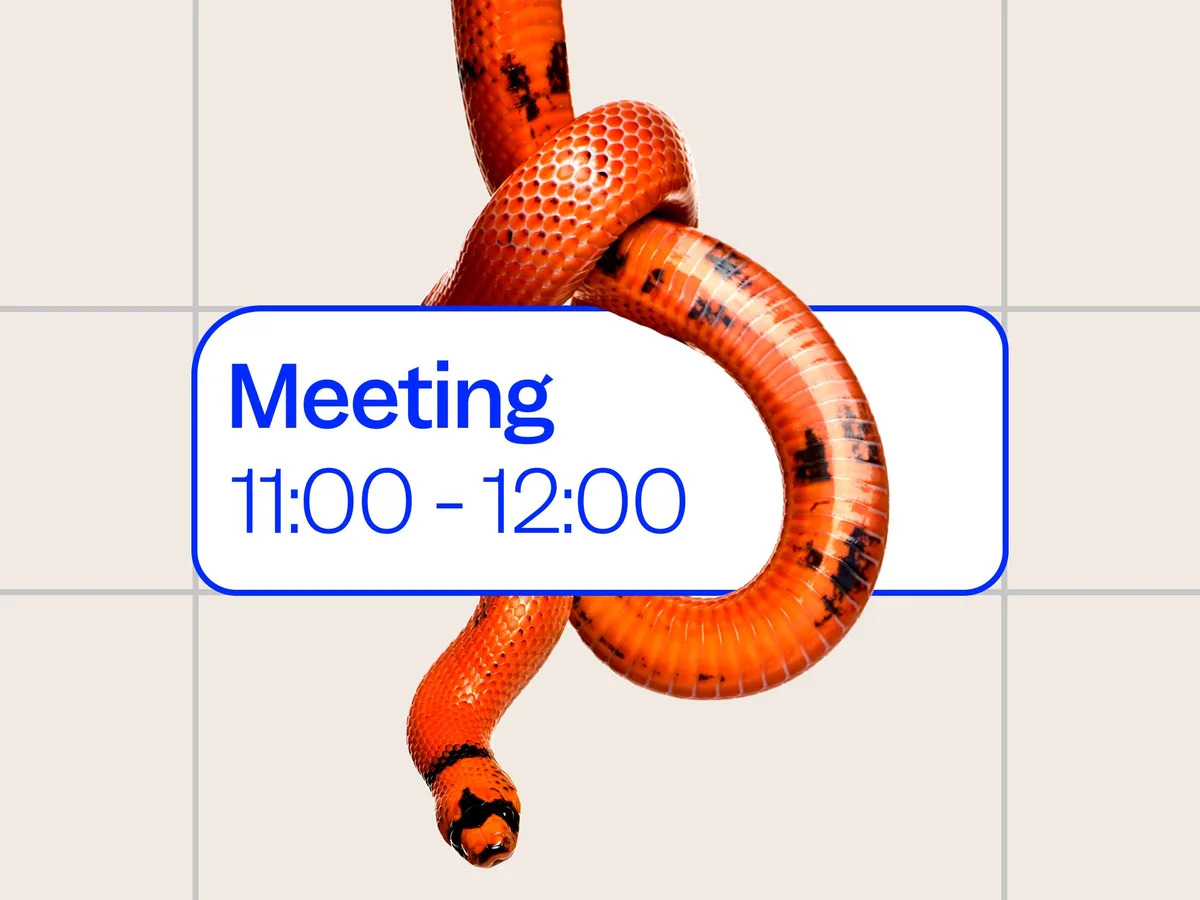
That meeting on your calendar might not be what it seems.
Getty Images; Rebecca Zisser/BI The only thing worse than a meeting that should've been an email? A meeting that's a scam.
Calendar phishing is on the rise.
Here's why your work schedule is a target.
One victim learned she'd been hacked when her contacts received a bogus calendar invite from her.
When Pete Thomas spots a meeting on his calendar that he doesn't remember scheduling, the startup executive launches a mini investigation.
He searches his inbox for the sender's name, and if that fails, he tries LinkedIn.
If Thomas still comes up empty or senses tomfoolery, he'll scan the invitation's contents for odd URLs or other red flags before hitting delete.
He's received several in recent months that failed those checks.
"It's a distraction," said Thomas, CTO of Kapwork, a fintech firm in Los Angeles.
"You always have to look for context." As if email and text message scams weren't enough, workers are contending with a growing wave of phishing attempts arriving through their calendars.
In August, calendar-led attacks surged more than tenfold from July, according to a recent study from email security firm Sublime, while a midyear report from Microsoft found that such attacks nearly quadrupled in June from May.
Cybersecurity pros say calendars offer attackers advantages over more traditional avenues, and that AI is helping to make the schemes more convincing.
They also warn that AI agents could give attackers a leg up by accepting fraudulent invitations on workers' behalf.
5News aggregated this summary from the outlet’s public feed. The full article, with all the context, is on www.businessinsider.com — the content belongs to Business Insider.