Trump wants potash from Belarus. A Canadian premier warns it would have to go through Russia.
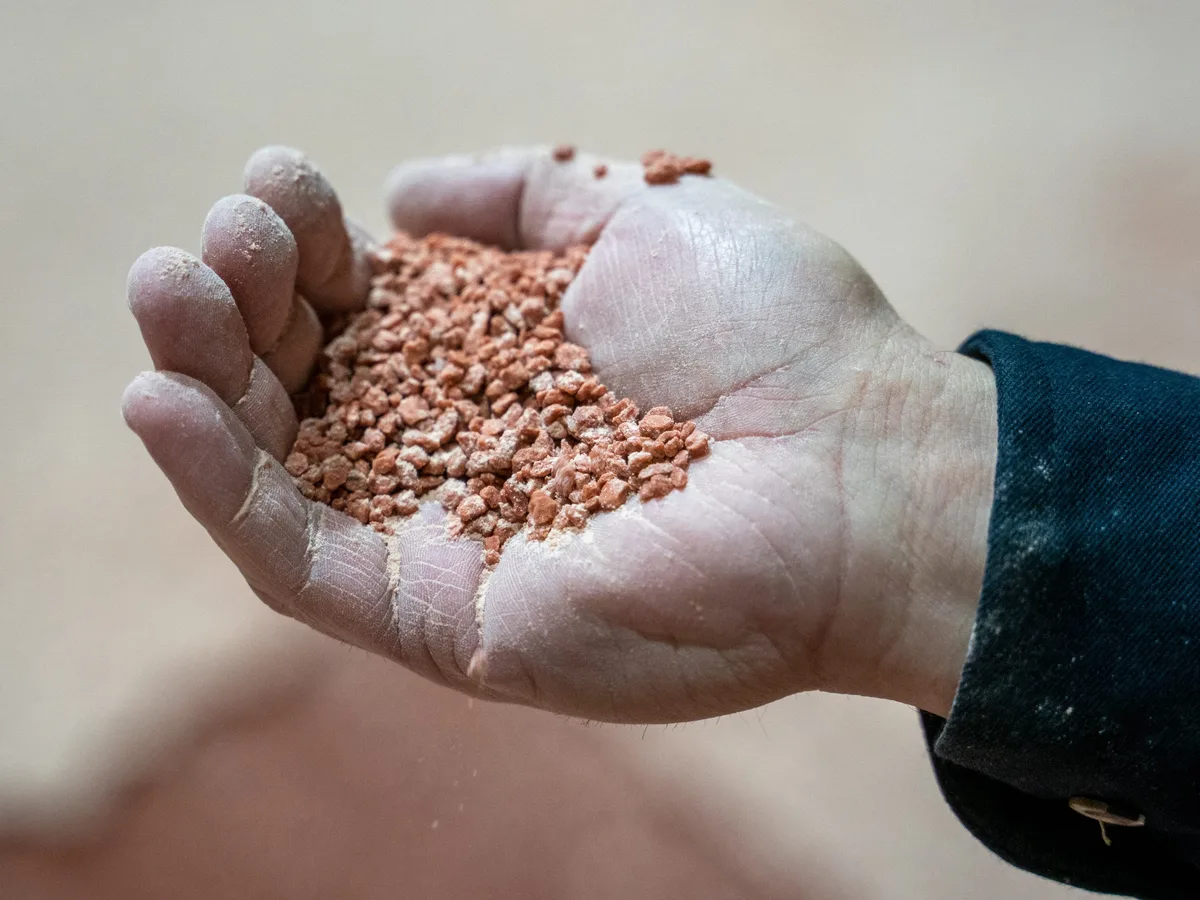
Canada supplies the vast majority of US potash imports, a key fertilizer ingredient.
Heywood Yu/Bloomberg/Getty Images President Donald Trump is seeking cheaper potash from Belarus as his trade fight with Canada continues.
A Canadian premier warns that the fertilizer would have to be shipped through Russia.
Belarus says it has little additional supply because this year's output is already contracted.
President Donald Trump's plan to buy potash from Belarus has drawn a warning from the leader of Canada's biggest potash-producing province, who says the fertilizer would have to be shipped through Russia.
His comments came after Trump said Monday that the US is negotiating a "massive Deal" to buy potash from Belarus.
"The pricing would be for substantially less than we are currently paying to Canada, very good news for our Farmers and Ranchers.," Trump wrote on Truth Social.
Potash is a key fertilizer ingredient used to boost crop yields, and Canada supplies the vast majority of US imports.
The proposal is the latest front in Trump's trade fight with Canada.
His administration has repeatedly targeted Canadian exports, although potash has largely been exempted from tariffs given its importance to US agriculture.
Scott Moe, the premier of Saskatchewan, argued that Belarusian potash would have to travel through Russia before reaching US farmers, raising questions about Trump's claim that it would be cheaper.
"Does anyone believe Belarusian blood potash shipped through Russia is going to be more affordable, more sustainable or more ethical than potash shipped from Saskatchewan - right here in North America?" Moe wrote in a post on X.
Belarus is landlocked, and sanctions imposed over its support for Russia's invasion of Ukraine, along with the loss of its main export route through Lithuania, have made its potash more expensive to ship to the US through Russia.
Moe has previously warned against using potash as a trade weapon.
5News aggregated this summary from the outlet’s public feed. The full article, with all the context, is on www.businessinsider.com — the content belongs to Business Insider.