Wednesday, August 26, 2026 SourcesAbout🌓
🇺🇸 US ▾
BREAKING
Russia is 'going backwards' in equipment and deploying post WWII-era tanks, according to Western officials Podcast: One country musician is calling for other artists to oppose assault rifles Bidets save you money and reduce waste — we tested the best options out there 50+ products to make your life easier and our planet cleaner Mother's Day is around the corner. Here are 50+ thoughtful gifts she'll love A head-to-toe guide of how men should dress this spring, and where they should shop 42 of the most useful travel products you can buy on Amazon The 7 best high-yield savings accounts of April 2023 Taxes are due tomorrow. Here's how to file for an extension Composting is an easy way to reduce food waste. Here's how to do it Russia is 'going backwards' in equipment and deploying post WWII-era tanks, according to Western officials Podcast: One country musician is calling for other artists to oppose assault rifles Bidets save you money and reduce waste — we tested the best options out there 50+ products to make your life easier and our planet cleaner Mother's Day is around the corner. Here are 50+ thoughtful gifts she'll love A head-to-toe guide of how men should dress this spring, and where they should shop 42 of the most useful travel products you can buy on Amazon The 7 best high-yield savings accounts of April 2023 Taxes are due tomorrow. Here's how to file for an extension Composting is an easy way to reduce food waste. Here's how to do it
Technology

Researchers get two genetic codes to work at the same time
Ars Technica ·
Researchers get two genetic codes to work at the same time

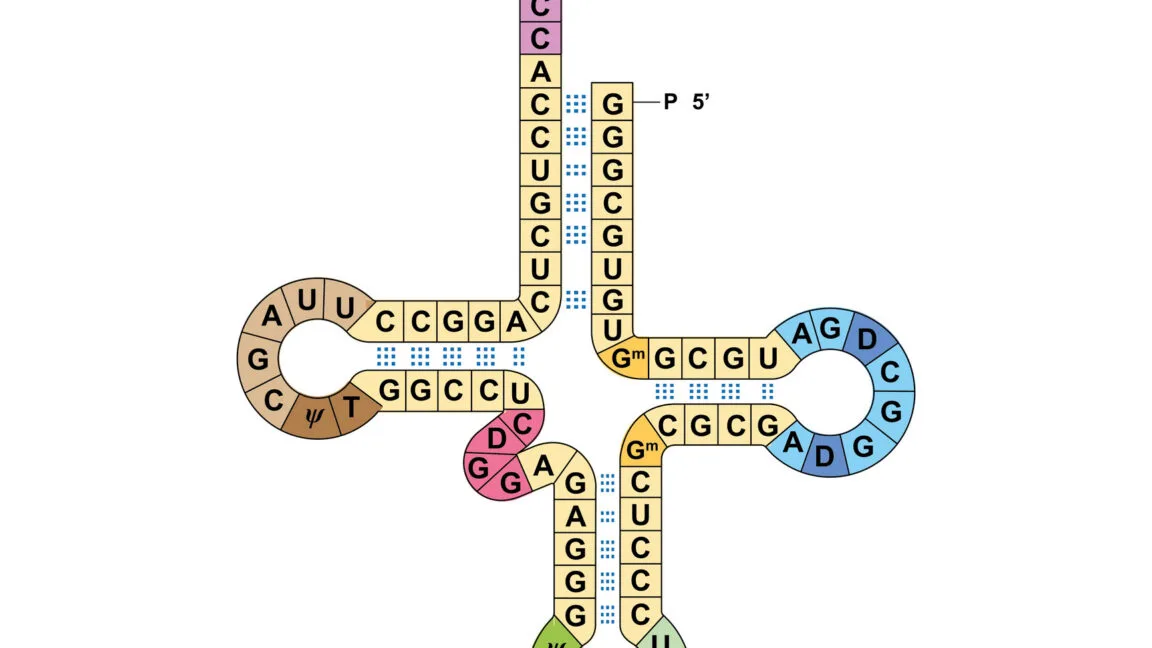
The genetic code is what life everywhere uses to convert the information contained in DNA into specific protein sequences.

With minor variations, the same genetic code is used by every living thing on Earth, suggesting it was already present in the last common ancestor of all of it.

It's not an easy thing to change, because so many things in every cell depend on it.

Nevertheless, some preliminary steps have been taken.

Researchers have managed to add some new amino acids to a bacterial cell and were able to make proteins that were one amino acid less than usual.

But it's a slog; for some of this work, people have had to re-engineer every single gene in a bacterial genome.

Now, researchers have found a way to operate two separate genetic codes simultaneously, avoiding the need to do any work to compensate for altering the code that every protein in a cell relies on.

They didn't test it in an actual cell, and it might cause some problems there.

But it's a creative solution that should accelerate some synthetic biology work.

Read full article Comments

Read the full article on Ars Technica ›

5News aggregated this summary from the outlet’s public feed. The full article, with all the context, is on arstechnica.com — the content belongs to Ars Technica.


More from Ars Technica

See all ›

More in Technology

See all ›