Gates Foundation and MTN launch AI maternal health platform to reach 500,000 women by 2030 in Nigeria, which accounts for about 30% of maternal deaths
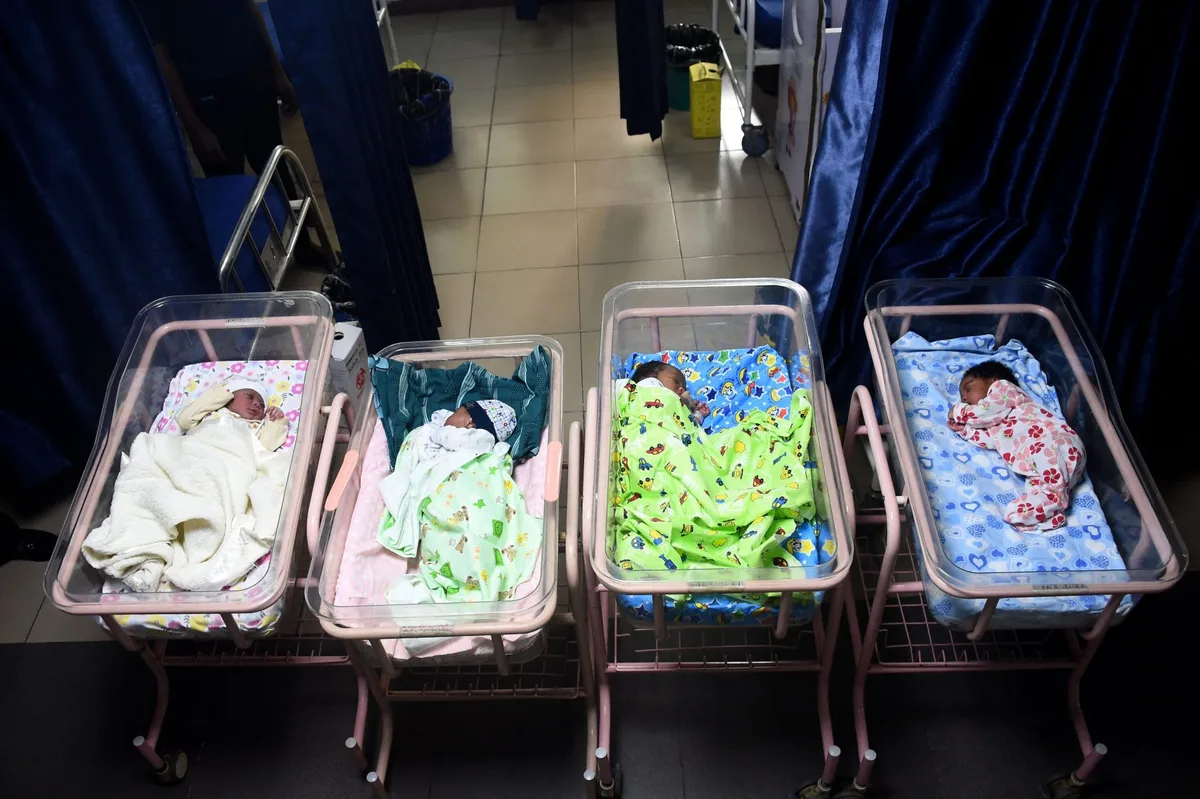
The Gates Foundation and MTN Group Foundation on Tuesday announced a partnership to launch an AI-enabled maternal health platform in Nigeria, with the goal of helping 500,000 women access better care by 2030.
The initiative, called the Nigeria Maternal Health Multiplier, will also equip 5,000 frontline health workers with tools to spot pregnancy and childbirth complications earlier, and connect 500 health facilities to more consistent care standards.
Nigeria accounts for nearly 30% of maternal deaths worldwide, even as the country has cut those deaths over the past decade.
Globally, maternal deaths have dropped 40% since 2000, but progress has stalled, and the risk of dying in childbirth in sub-Saharan Africa remains roughly 250 times higher than in Western Europe.
Only 59% of Nigerian women complete four or more antenatal care visits, according to the initiative, so warning signs of complications often go undetected until it’s too late.
The platform has three parts: AI- and phone-based decision support for both health workers and mothers; affordable smartphones and mobile data; and upgraded connectivity at health facilities.
It builds on Nigeria’s existing Maternal and Neonatal Mortality Reduction Innovation Initiative, run by the Federal Ministry of Health under its Sector-Wide Approach.
“AI has enormous potential to improve health, but only if its benefits reach the people who stand to gain the most,” said Mark Suzman, CEO of the Gates Foundation.
“Left to the market alone, potential tends to benefit those who can already afford it, not the people who need it most.
That’s where philanthropy has a role to play: not as a substitute for investment, but as a catalyst for it.” MTN Group President and CEO Ralph Mupita said the goal is to make maternal health “more personalized, predictive and accessible” as AI develops.
“We can put trusted, locally relevant health insights directly into the hands of mothers and healthcare professionals, tailored to their unique needs and languages,” he said.
“Starting in Nigeria, our ambition is to demonstrate a scalable model for improving maternal and child health outcomes across Africa.” Nigerian officials framed the deal as an answer to a systems problem rather than a technology gap.
Dr.
Bosun Tijani, the country’s minister of communications, innovation, and digital economy, said the biggest barrier to service delivery in Nigeria (like health, agriculture, or education) has rarely been a lack of new tools, but a lack of focus on the basic systems needed to get people to actually use them.
5News aggregated this summary from the outlet’s public feed. The full article, with all the context, is on fortune.com — the content belongs to Fortune.