Afghanistan’s grape harvest is turning into raisins — literally — as exports collapse
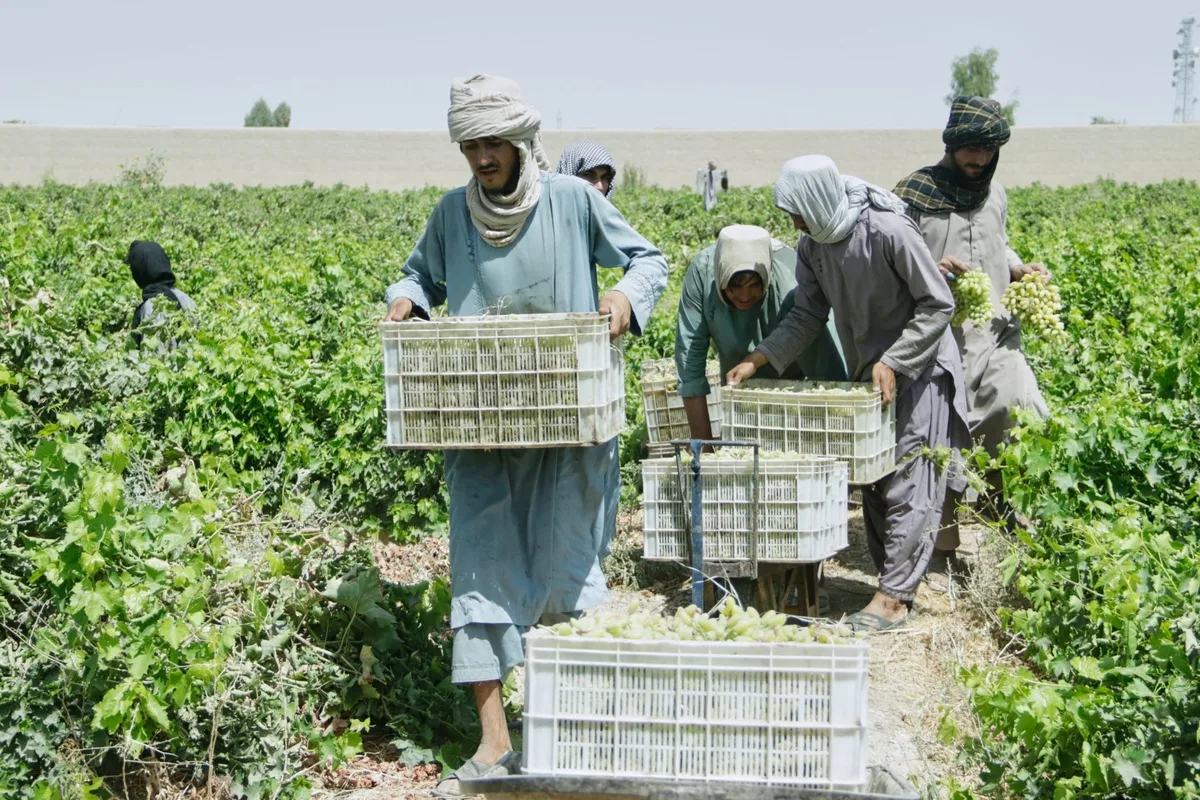
It’s grape season in Afghanistan’s southern province of Kandahar, and the harvest this year is plentiful.
But that’s small comfort for the region’s grape producers and workers, who say fighting between Afghanistan and Pakistan has left them unable to access their primary market.
For months, the two countries have traded fire sporadically across their long, mountainous border, leaving hundreds of people dead .
Islamabad accuses Afghanistan’s Taliban government of harboring militants who carry out attacks inside Pakistan — a charge Kabul denies.
With the fighting have come border closures , severing a critical trade route and preventing Afghan producers from reaching what is the primary export market for many goods.
Unable to export their fresh fruit, Afghan grape producers have turned to the domestic market, where the increased supply has sent prices tumbling.
To adapt, many producers are now drying their grapes and turning them into raisins — a cheaper product that sells for less.
In a long warehouse in Kandahar’s Zhari district, fans whirl overhead, stirring the hot summer air around bunches of plump, green grapes draped over sticks set up in rows to dry.
But even for raisins, prices have tanked.
Sakhi Jan, who owns a grape orchard in Zhari, says that with 10 people in his household to feed, he’s barely getting by.
Seven kilograms (15.5 pounds) of raisins used to sell for around 1,000 to 1,200 afghanis ($13 to $16), he says.
Now, the same amount sells for just 400-450 afghanis ($5-$6).
In a country where poverty is rife and malnutrition strikes the most vulnerable, such income losses can be critical.
“We are grateful, but things aren’t like they used to be, the struggle is much harder now,” Jan said.
5News aggregated this summary from the outlet’s public feed. The full article, with all the context, is on fortune.com — the content belongs to Fortune.