Adapting to extreme heat takes more than changing the clock
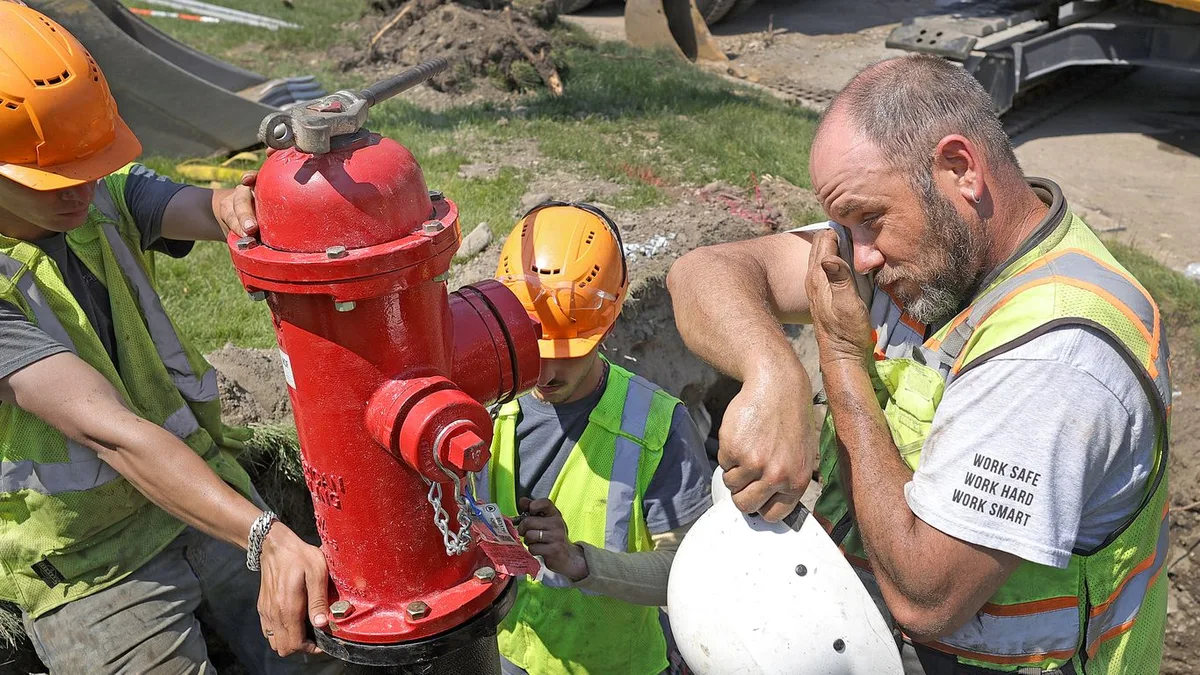
As extreme heat makes afternoons more dangerous, schools, sports teams and outdoor employers are shifting when — and sometimes whether — people can safely be outside.
Why it matters: Adapting to hotter conditions could reshape the American workday while putting a premium on the cooling and energy infrastructure people rely on when outdoor conditions become unsafe.
State of play: The federal Occupational Safety and Health Administration recommends that employers facing dangerous heat consider moving work to early morning or late afternoon, shortening shifts, rotating workers and reducing strenuous work during the hottest parts of the day.
California's new Extreme Heat Action Plan links protecting heat-vulnerable groups, including workers, with expanding access to indoor cooling and strengthening energy systems to reduce grid strain and outages.
Oregon's statewide heat-illness prevention rule kicks in when the heat index reaches 80°F, requiring water, shade and acclimatization, with additional measures such as preventive cooldown rest breaks at 90°F, Oregon OSHA told Axios.
By the numbers: Oregon OSHA conducted 3,104 inspections addressing heat and issued 408 citations totaling $652,640 in initial penalties from 2022 to 2025, according to data shared with Axios.
Case in point: Texas offers a glimpse of the practical tradeoffs that come with reorganizing daily life around heat.
Under new statewide rules , schools are moving sports practices to very early or late hours when conditions become dangerous.
"Many of our schools have directly adapted their practice times," University Interscholastic League (UIL) athletic director Ray Zepeda told Axios.
Moving practices away from peak heat reduces coaches' exposure, Zepeda said, but stretches the workday for coaches and athletic staff who are full-time school employees.
"It is increasing their workday," Zepeda said.
Reality check: Shifting schedules isn't always enough.
Cooling is becoming more important for heat safety at the same time extreme heat can stress the electricity system powering it.
"Heat can also stress our electricity grid," California Natural Resources science adviser Andrew Jones said during a recent discussion of the state's updated Extreme Heat Action Plan.
5News aggregated this summary from the outlet’s public feed. The full article, with all the context, is on www.axios.com — the content belongs to Axios.