What We Miss When We Reduce Dolly Parton to a Saint
Sign up for the Slatest to get the most insightful analysis, criticism, and advice out there, delivered to your inbox daily.
With her death this week, uncountable tributes are being made now to Dolly Parton’s warmth, humor, heart, individuality, and inclusiveness, with her admirers around the globe spanning the rural to the urban—as her own life arc famously did—as well as the devout to the heretical, and nearly every other axis of culture, gender, sexuality, and ideology, all the way down the gilded slide to power-drunk potentates . People are lauding both her had-her-own-theme-park business acumen and her didn’t-need-to-be-a-billionaire generosity, from the million smackers she donated to the development of the COVID vaccine to the towering heaps she spent on promoting books and literacy for kids who needed them.
We are thanking her for supporting both gay marriage (“ they should suffer like the rest of us do ”) and later Black Lives Matter (“ do we think our little white asses are the only ones that matter? No ”), both of which remind the journalists among us, at least, to give thanks perhaps most of all for her quotability. We are quietly, politely forgetting about that weird, Lost Cause-peddling Dixie Stampede tourist show her company puts on that we are hoping she didn’t have too much to do with (at least, after Slate reported on it, they changed the name ), while simultaneously perhaps giving her too much credit for distantly co-executive-producing Buffy the Vampire Slayer.
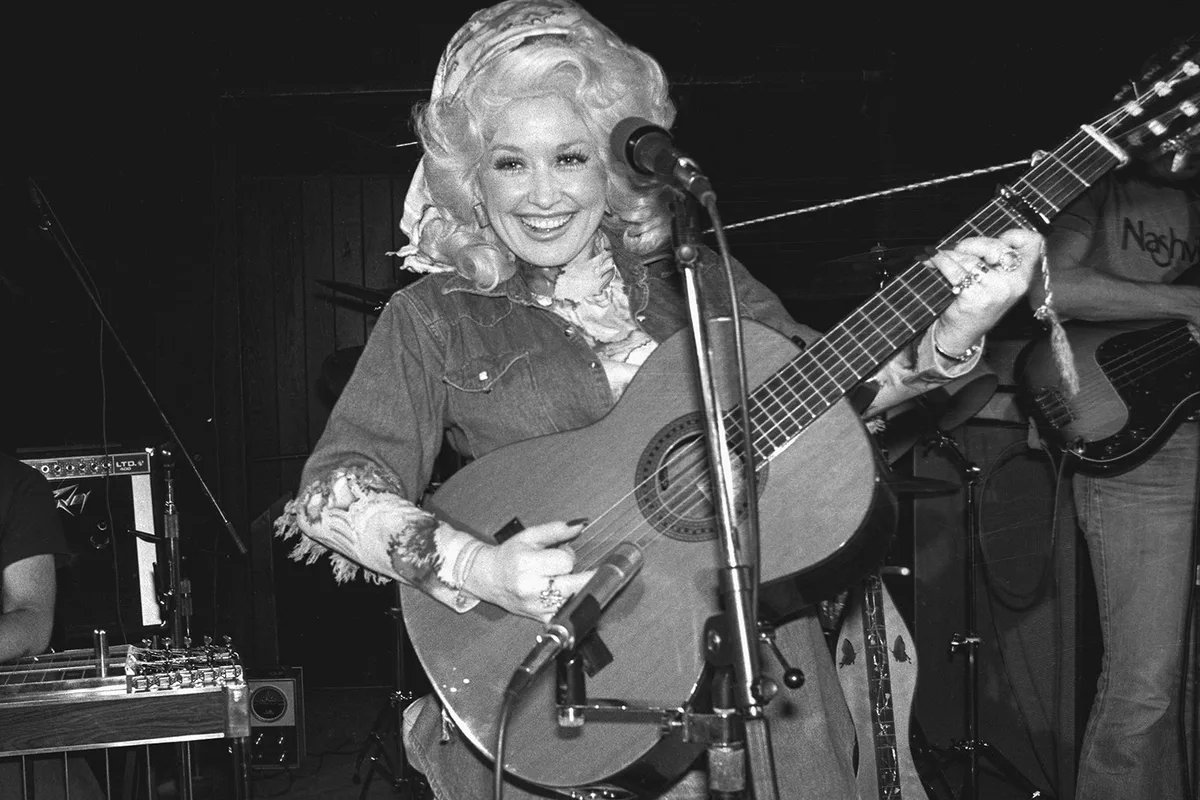
Some of us will even discuss Parton’s music. By the numbers, for a start, she reportedly wrote more than 3,000 songs , played upward of 20 instruments—mostly strings, but I’ve also witnessed her playing saxophone—and put out 243 singles as a lead or featured artist, 25 of which were No. 1 country songs , not to mention 49 Top 10 country albums, and had many of those cross over to the pop charts, in a career that touched eight different decades. Leaping genre barriers too often assumed unbreachable or enforced that way, Whitney Houston’s cover of Parton’s “ I Will Always Love You ” was the definitive and chart-dominating power ballad of the early 1990s. And in the new wave of country crossover that’s beginning to look like a definitive element of 2020s pop , many of the major players have sought out Parton’s co-sign, with covers and collaborations popping up from Lil Nas X , Beyoncé , Post Malone , and Sabrina Carpenter (as well as Parton’s goddaughter Miley Cyrus , of course), and this year’s newly coronated country queen Ella Langley tagging Parton as her No. 1 role model.
This is not to mention Parton’s acting roles and (short-lived) TV series as well as the adaptations of her songs and life into various movies , streaming series , podcasts , and, I don’t know, maybe video games? Not really, though apparently gamers love her anyway . Perhaps the only utterly uncontroversial aspect of the New York Times’ list of the 30 greatest living American songwriters earlier this year was that Parton deserved her place there. “I’ve watched Dolly writing one song while she’s singing another,” it quoted her past collaborator Emmylou Harris saying.
5News aggregated this summary from the outlet’s public feed. The full article, with all the context, is on slate.com — the content belongs to Slate.