U.S.-China gastrodiplomacy: Despite political tension, fast food chains from both countries gain popularity in each other’s territory
China and the United States are divided on many issues, from tariffs and technology to Taiwan .
But there is one thing tying them together: fast food.
American restaurant and beverage chains are expanding rapidly in China, drawn by the potential customer pool in a country with four times the U.S. population.
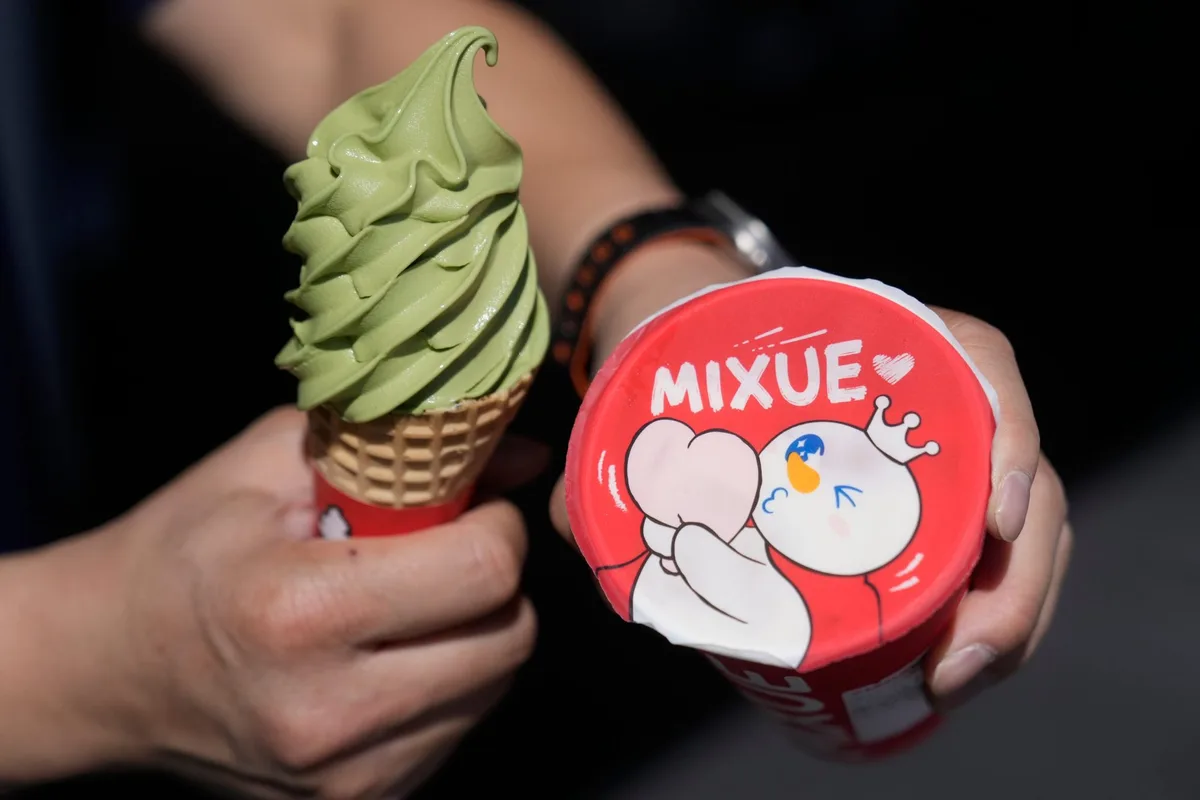
China’s languishing economy and cutthroat industry competition, meanwhile, have Chinese chains trying their luck in the U.S., turning crumbs and straws into a two-way cultural bridge between the two superpowers.
The bilateral trade in burgers and bubble tea is business- and consumer-led gastrodiplomacy in action, said Yaling Jiang, the founder of ApertureChina, a market research company with headquarters in Shanghai and London.
In China, recent American arrivals like Popeyes and Five Guys are seen as a guilty pleasure, she said, while the increasingly international palates of Americans have created space for Chinese brands to serve as their nation’s unofficial ambassadors.
“Consumerism builds a safe, introductory channel for contemporary Chinese culture and can be a great way to elevate China’s soft power,” Jiang said.
The White House has not revealed the menu for the state dinner that U.S.
President Donald Trump is hosting for Chinese President Xi Jinping on Thursday.
But a taste for a cheap, crowd-pleasing meal may be something the two leaders share.
In 2013, Xi made a rare public visit to a steamed-bun restaurant in Beijing.
He waited in line and ordered a 21-yuan ($3) meal featuring six pork-and-scallion buns, vegetables, and a bowl of stewed pork liver and intestines.
Trump’s love of fast food is legendary; he even manned a fry station at a Pennsylvania McDonald’s during his 2024 campaign.
American fast-food companies are expanding their presence in China Last month, Chinese customers lined up in the rain for the opening of the first Church’s Texas Chicken in Shanghai.
5News aggregated this summary from the outlet’s public feed. The full article, with all the context, is on fortune.com — the content belongs to Fortune.