The four-hour-long Elon Musk documentary might be preaching to the choir
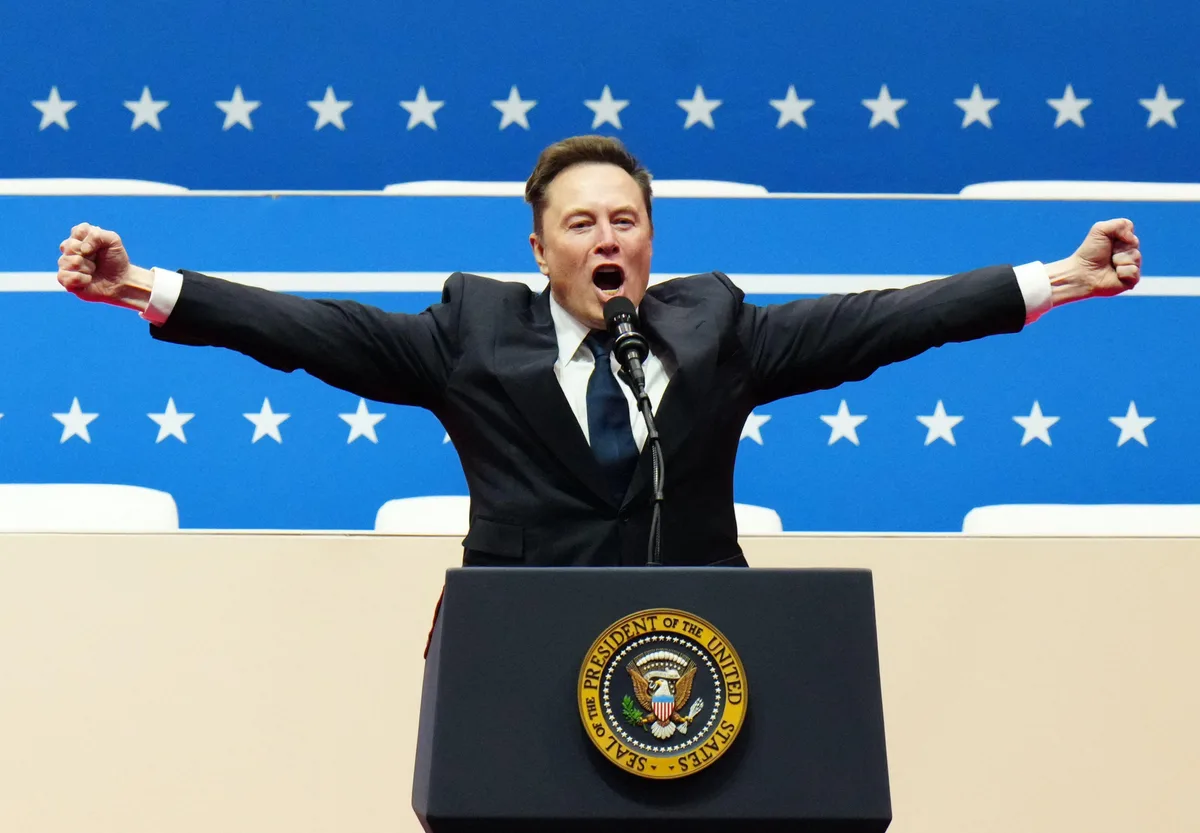
Alex Gibney’s latest feature is so gigantic in scope that it might miss its intended audience.
Alex Gibney’s latest feature is so gigantic in scope that it might miss its intended audience.
It makes sense that Musk is a long film. The latest from Alex Gibney, who has previously directed documentaries about Theranos and Steve Jobs , is an impressively thorough retelling of the story of Elon Musk, from his early days as a dot-com millionaire to “ taking a wood chipper ” to vital US government departments. In order to understand Musk’s rise to power, you need to know the whole story. Musk tells it compellingly and convincingly, but doesn’t offer much in the way of revelations if you’re aware of Musk’s catastrophic influence on the world. For everyone else, a demanding runtime just shy of four hours might prove too much of a barrier to being convinced.
The film opens with shots of space and a voiceover of Musk detailing some of his sci-fi ambitions. From there, it’s a fairly chronological narrative of how we got to this point. The first section of the film reveals how Musk’s mythology was built, while also steadily seeding doubts that he’s the Tony Stark–style tycoon that many believe him to be. It starts off with the basic details, like when Musk was ousted as CEO from PayPal or how he convinced the world he founded Tesla, a company that existed before he was involved. The film juxtaposes his many bombastic claims about autonomous vehicles with visceral footage of a deadly crash involving a Tesla on autopilot. It drops in poignant interviews, like when former MAGA influencer Ashley St Clair, mother to one of Musk’s many children, declares in a terrified voice: “Elon is a nuke.”
At the outset, Gibney makes it clear that his goal is to answer two questions with interrelated answers: how Musk got so powerful, and why we allowed it to happen. By gradually accruing power through Tesla, X, SpaceX, and Starlink, Musk ingratiated himself with governments all over the world, in particular the US, and then used that political power to further his own interests once it became so hard to extricate his influence. The documentary lays out the plot clearly and concisely, all in one place.
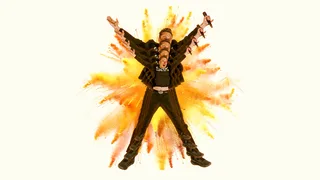
Musk himself didn’t participate in the documentary. Instead, he sent Gibney a legal threat over it. So Gibney built in a digital doppelgänger that mouths to audio of things Musk actually said, based on a database the team created of existing clips. The avatar Musk veers into uncanny valley territory, with its overly expressive face and unsettling heavy breathing, but it’s a smart way of putting Musk’s face to his words, in a manner of speaking. And it fits well with Musk’s belief in simulation theory. Additionally, the movie uses plenty of sim and video game imagery to illustrate things throughout, like a fictional first-person shooter that depicts Musk dismantling Twitter and the US government with a chainsaw that shoots lasers. It’s over-the-top and absurd, but then again we’re here, in part, because of a kid bureaucrat named Big Balls .
In many ways, Musk is successful.
5News aggregated this summary from the outlet’s public feed. The full article, with all the context, is on www.theverge.com — the content belongs to The Verge.