Cuba has plenty of doctors. So why is its healthcare system collapsing?
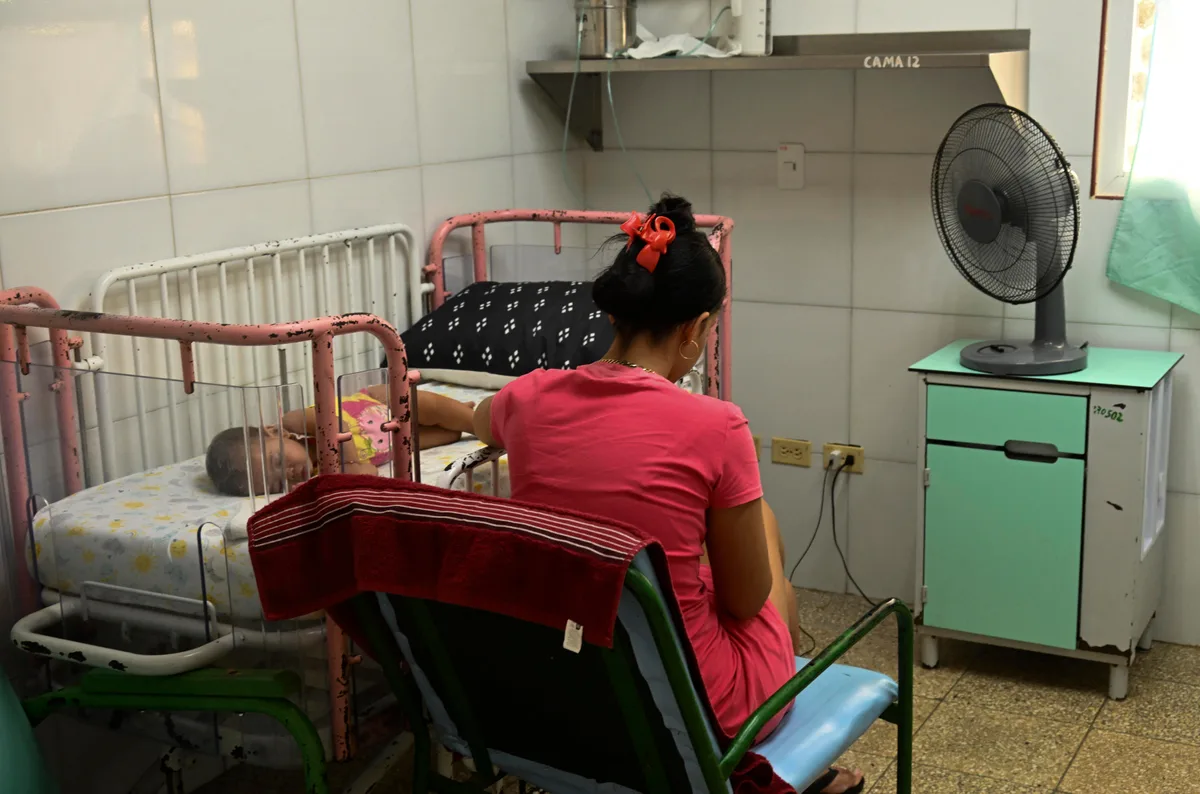
After months of fuel and water shortages, Cubans are facing a dire public health crisis. | Yamile Lage/AFP via Getty Images Since January 2026, many Cubans have lived a life of near-constant darkness .
The Trump administration’s oil blockades have led the country into a worsening energy crisis, collapsing what was already an eroding national power grid.
Daily blackouts have plunged the Cuban nationalized, universal health system, once the pride of the country, into a humanitarian crisis .
For months, hospitals have been without necessary power and ambulances strapped for fuel.
Piles of trash line the streets, increasing the risk of disease .
Cold storage issues threaten life-saving vaccines , and a combination of the frail economy and US sanctions has left pharmacy shelves almost empty.
The public health crisis exposes an often overlooked aspect of the way we tend to think about the promise of universal healthcare.
Having accessible and free medical services is only one part of the solution.
While Cuba’s once-vaunted health system is bound up in its own history and national context, it still demonstrates that public health of all kinds can only be as resilient as the electricity, water, transportation, refrigeration, supply chains, and institutions that enable it.
An old prototype for universal healthcare Not long ago, Cuba’s health system was seen as a promising model for successful free universal healthcare.
In the years following Fidel Castro’s rise to power, health authorities focused on the integration of healthcare delivery models into a single public system.
The Castro government aimed to expand services once concentrated in Havana into rural areas, such that the entire population would have access to basic care services.
In 1974, the government launched community-based polyclinics that placed primary care specialists in almost every Cuban community.
This story was first featured in the Future Perfect newsletter .
5News aggregated this summary from the outlet’s public feed. The full article, with all the context, is on www.vox.com — the content belongs to Vox.