Insight Partners’ Devin Parekh on why the firm is diversifying while everyone else bets the farm on OpenAI and Anthropic
Disrupt 2026: OpenAI, Anthropic, Replit, and more take over 6 industry stages. 25% off tickets now
Devin Parekh has co-run the heavyweight investment firm Insight Partners for 26 years. Unlike many VCs who are loud on X and seem to live on podcasts, Parekh and Insight Partners tend to lay low.
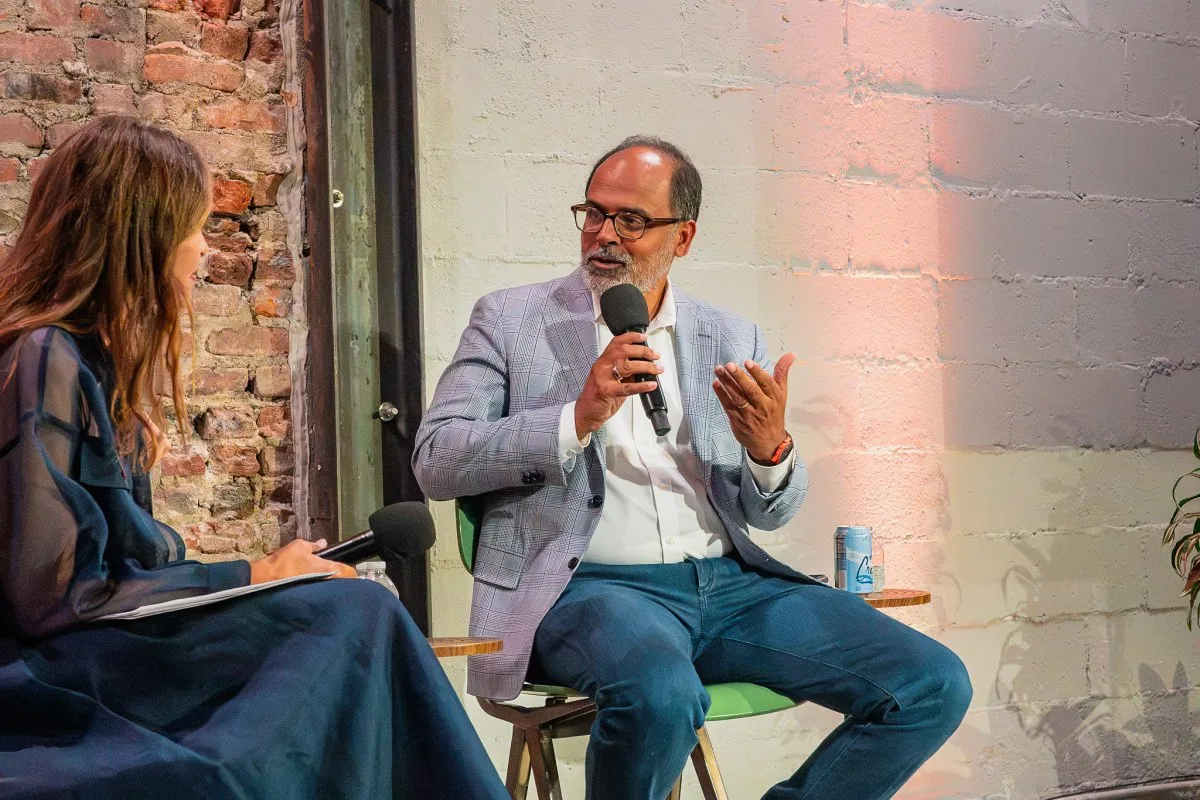
In this sit-down with TechCrunch at its StrictlyVC event on Thursday night in New York, Parekh was refreshingly candid about some of the firm’s wins (it has led and co-led numerous rounds in Databricks, for example, and owns stakes in OpenAI and Anthropic); the deals it hasn’t won, including buzzy AI legal-tech company Legora; conflicts of interest in venture investing; and why Insight has stuck to a diversified strategy even as VCs have piled into the frontier AI labs.
There’s a researcher who’s become the big story of the week — do you think that concerns about AI risk amount to hysteria, or do you have real concerns?
Sure, there’s a risk some non-state actor gets access to an open-source model and creates a biological weapon. But there’s an even higher probability we get a massive decrease in the time it takes to develop new drugs and cure diseases. I’ll take that bet.
I’m on the board of NYU Langone — what AI is already doing with patient data is amazing. We can look at 50 million patient records and tell someone walking in for something unrelated that they have a 25% chance of a heart attack. Net-net, I think this is highly positive.
There are risks, sure, just like there are risks with next-generation drone warfare. Every generation has new risks, and somehow, over time, the world still raises living standards. We’re going to need AI to scale healthcare — the population is aging and there aren’t enough medical professionals to go around.
Insight has $90 billion in assets under management but seems comparatively quiet compared to firms of similar size. Is that purposeful?
Every venture capitalist thinks they’re an expert on everything now — epidemiology during COVID, geopolitics during the Iran war. I’m not sure we’re all experts on everything. Our attitude has been: Let the portfolio do the talking. We’re investing in founders and companies. We have to communicate enough that people know who we are, but our performance should speak for itself — and that’s driven by the portfolio, not by us being loud.
You do early-stage, growth, buyouts, and presumably secondaries. What’s the split?
It’s temporal, not fixed — we invest globally, so there’s no set geographic or strategy allocation. Look at our last seven funds and you’d see different percentages of early-stage, growth, and buyout in each. Buyouts aren’t great right now — rates are high, debt markets aren’t receptive to software, exit multiples have come down. We haven’t done a major buyout since 2024.
On the venture side, valuations are rising at a pace we saw before, in 2021 — and that didn’t end well. Normally, a follow-on round means more data, so you pay a higher price for lower risk. Right now, rounds move so fast there’s almost no incremental data, so you’re paying more without reducing risk. The logical response is to go earlier.
5News aggregated this summary from the outlet’s public feed. The full article, with all the context, is on techcrunch.com — the content belongs to TechCrunch.