Eye Cells May Have Been Rejuvenated for the First Time in People
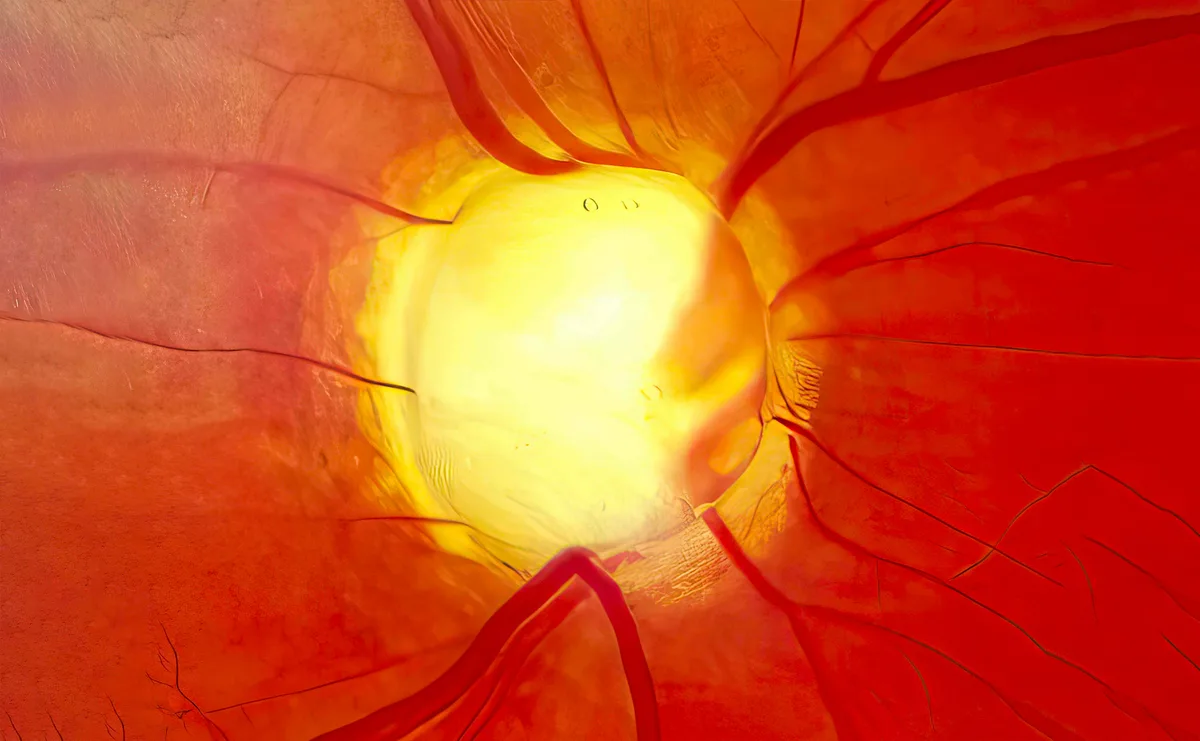
Optic nerve in eye affected by severe glaucoma —Marvin Samuel Tolentino Pineda—Getty Images Three people have received an innovative treatment designed to rejuvenate vision cells.
In a presentation at the annual meeting of the American Academy of Ophthalmology, researchers from Life Biosciences reported that the treatment appears safe, and two of the recipients show early signs of improved vision.
The study is among the first approved by the U.S.
Food and Drug Administration using a novel strategy of reprogramming cells to restore their normal function —essentially rejuvenating them.
The scientists used a modified version of a reprogramming strategy that earned a Nobel Prize in 2012 for turning mature, adult cells back to an embryonic-like state from which they could become any of the cells in the body—including healthy new versions of diseased or older cells.
In that work, Japanese scientist Shinya Yamanaka used four genes to trigger the cellular time warp.
In the current Phase 1 trial, which is ongoing, scientists used three of the four factors to perform a modified reprogramming of diseased retinal ganglion cells in the eye in people with a form of glaucoma—not returning the cells all the way back to their embryonic-like state, but to a point before they stopped functioning properly.
Retinal ganglion cells have long arms that connect them from the retina in the eye to the optic nerve, which transmits visual signals to the brain.
In some people, over time, fluid in the eye fails to drain properly, putting pressure on the retinal ganglion cells, which lose their delicate connections to the optic nerve, causing loss of vision.
While the cells don’t necessarily die, they become dramatically less able to do their job of transmitting critical visual signals.
To try to restore their function, in the trial, scientists injected specially designed proteins, or transcription factors, coding for three of the genes into the vitreous: the gel-like fluid cavity at the back of the eye near the retina.
It’s an advantageous location to test such a therapy, since it’s protected from the body’s immune defenses which could attack the newly made proteins.
The proteins then did their work to reprogram the damaged and aging cells so they became functional again.
The experimental therapy is based on work from the lab of David Sinclair, professor of genetics at Harvard Medical School and co-founder of Life Biosciences.
5News aggregated this summary from the outlet’s public feed. The full article, with all the context, is on time.com — the content belongs to TIME.