What Do We Actually Know About Kids on Weight-Loss Drugs?
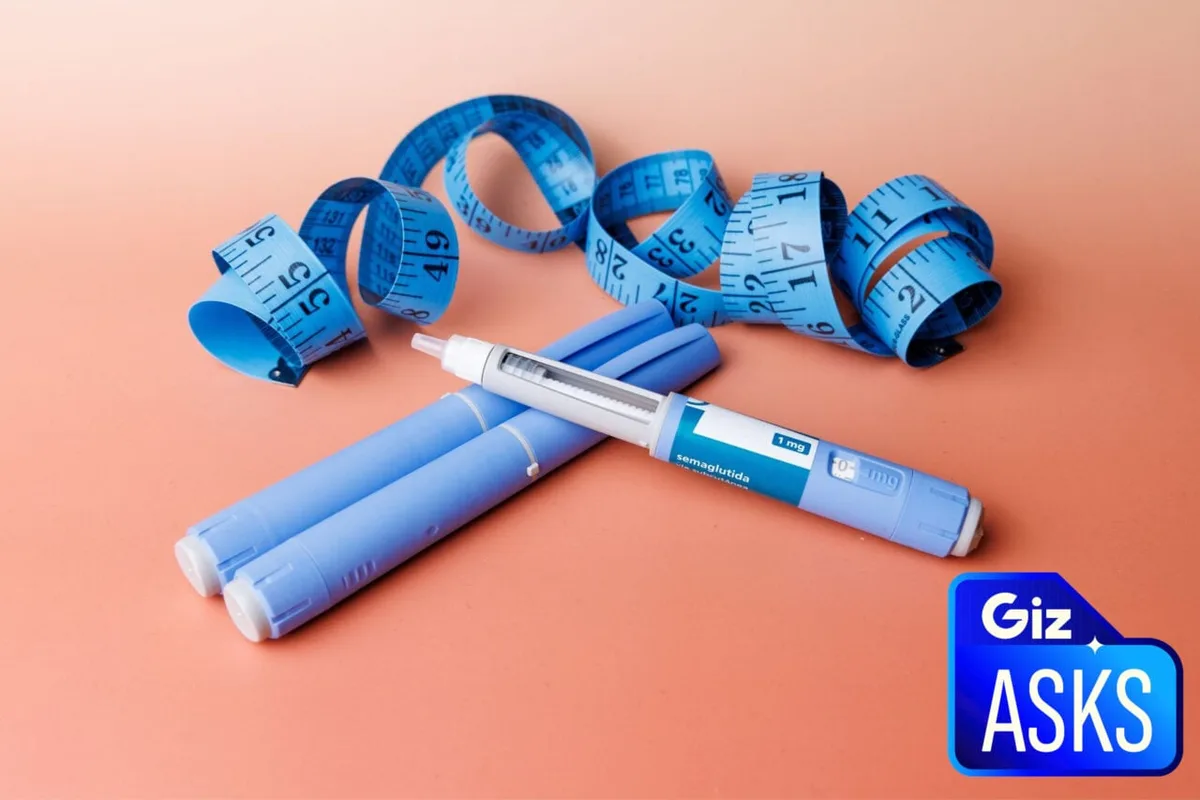
GLP-1 drugs like semaglutide (Ozempic and Wegovy) and tirzepatide (Mounjaro and Zepbound) have greatly changed the treatment of obesity and type 2 diabetes for the better. Plenty of adults in the U.S. have taken or are currently taking a GLP-1. And increasingly, so are teens and young children, too.
A study last week, for instance, concluded that while GLP-1 use overall remains rare in young children, it has significantly increased over time. Between 2019 and 2026, the researchers found, 0.6% of children ages 8 to 11 with obesity but without diabetes had been prescribed an off-label GLP-1, while the annual percentage of such children prescribed a GLP-1 dramatically increased year after year. Other recent research has shown a similar rise in GLP-1 use among teens and young adults.
These drugs are addressing a real health issue. About 22% of adolescents ages 12 to 19 are obese, according to the latest data from the Centers for Disease Control and Prevention, as are 21% of children ages 6 to 11. And GLP-1s can certainly be effective for children. Novo Nordisk, the makers of semaglutide, presented new trial data this week showing that 40% of children six to 12 years old were no longer considered obese after 68 weeks of treatment.
In 2023, the American Academy of Pediatrics began recommending that doctors take a more proactive approach to treating childhood obesity, including the use of GLP-1 drugs. Yet other groups like the U.S. Preventive Services Task Force have held off on similar recommendations, citing a lack of data. Semaglutide has also only been approved for children over 12, though Novo Nordisk is seeking approval for younger age groups, while the other major GLP-1-based drug, Eli Lilly’s tirzepatide, is only approved as an obesity treatment for people over 18 (the drug is approved for children with diabetes as young as 10).
For this Giz Asks, we reached out to obesity researchers, pharmacologists, and pediatricians to pick their brains about GLP-1 use in children and teens. What do we know about the long-term effects of these medications in these age groups, what are some important lingering questions left to be resolved, and what do the children who go on these drugs actually report feeling? The following responses have been lightly edited for grammar and clarity.
An epidemiologist and childhood obesity researcher at the University of Texas Southwestern Medical Center. Messiah co-authored a study earlier this year showing a growing rise in GLP-1 use among teens and young adults.
In our recent JAMA paper, we only, at the reviewer’s request, did the upper age limits because of the bariatric surgery aspect. We were also really interested in the combination of those two in our analysis. And that’s important because bariatric surgery is only recommended for 13-years-olds and up. However, I had been doing over the past week an analysis of our local data here at Children’s Health in Dallas, just to see locally what’s going on.
So, I looked at our local prescribing patterns from 2020 to just last month, and after I got your email this morning, I got curious and decided to do a sub-analysis in this younger age group.
5News aggregated this summary from the outlet’s public feed. The full article, with all the context, is on gizmodo.com — the content belongs to Gizmodo.