Leaders Pivoting on Data Centers Require More Than Roads, Water, and Power Promises
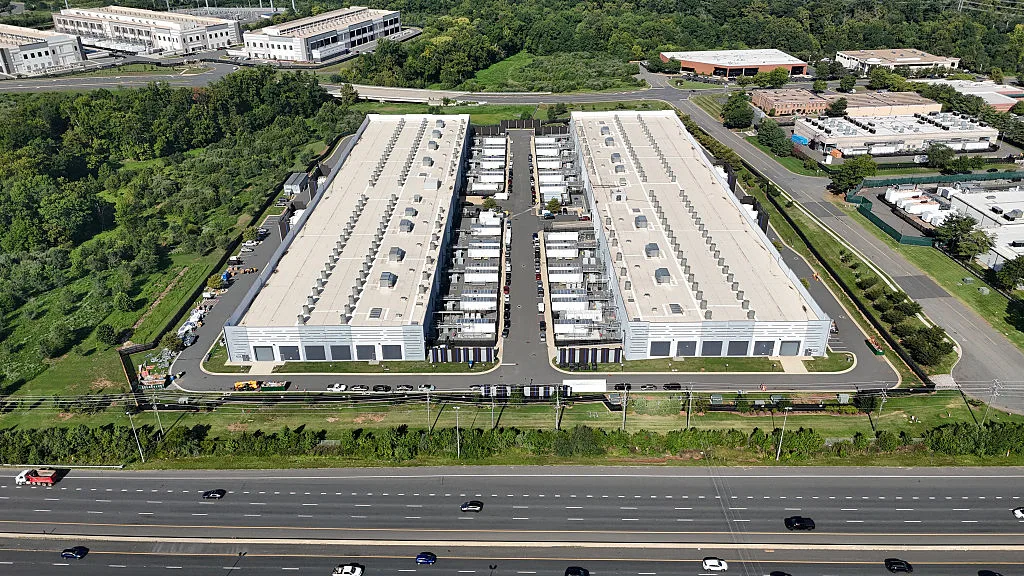
An aerial view of a data center on August 26, 2026 in Sterling, Virginia. —Anna Moneymaker—Getty Images Data center companies “dug their own grave,” Texas Governor Greg Abbott said Sunday , and “that’s why they got the backlash they deserve.” Nine months ago, Abbott crowned Texas the epicenter of AI development, alongside Google executives announcing a $40 billion investment in the state.
Pennsylvania’s Josh Shapiro, a Democrat who actively recruited Amazon’s $20 billion commitment to his commonwealth, made a similar U-turn days earlier, signing an executive order he calls the “nation’s strictest guardrails” on data centers: no more fast-track permits, no nondisclosure agreements, and no state permit review until developers make binding commitments to community standards.
When a Texas Republican and a Pennsylvania Democrat pivot to the same position in the same week, it becomes clear that the politics of data centers have shifted.
Like everything else in AI, sentiment is moving at an extraordinary pace.
Even the AI industry’s biggest winner recognizes the need for change.
The tech sector needs to “do a much better job working with the communities,” Nvidia CEO Jensen Huang said this week .
While shifting or walking back public statements never looks good, leaders are simply listening to voters’ demands.
The truth is that leaders across the political spectrum are pivoting on data centers for a simple reason: they want their communities to actually benefit.
The best ones are listening to citizens’ concerns while constructively raising the bar for the data center industry—not cutting them off.
The costs and benefits of data centers Seven in ten Americans tell Gallup they oppose a data center in their own community, more opposition than a nuclear plant draws.
The primary complaint started with electric bills.
PJM’s independent market monitor attributes 63% of the region’s 2025/2026 capacity price increase to data center load, roughly $9.3 billion recovered from customers across 13 states in a single year, causing household bills to rise 1.5% to 5% this summer.
The countervailing benefits are just as measurable.
In Loudoun County, Virginia (often referred to as known as the "Data Center Capital of the World”), data centers supply as much as 31% of local revenue by the state legislature’s audit count, and the county has banked a $119.7 million stabilization fund against any downturn.
5News aggregated this summary from the outlet’s public feed. The full article, with all the context, is on time.com — the content belongs to TIME.