Noncitizen voting claims animate Trump's attacks on midterms and set up potential result challenges
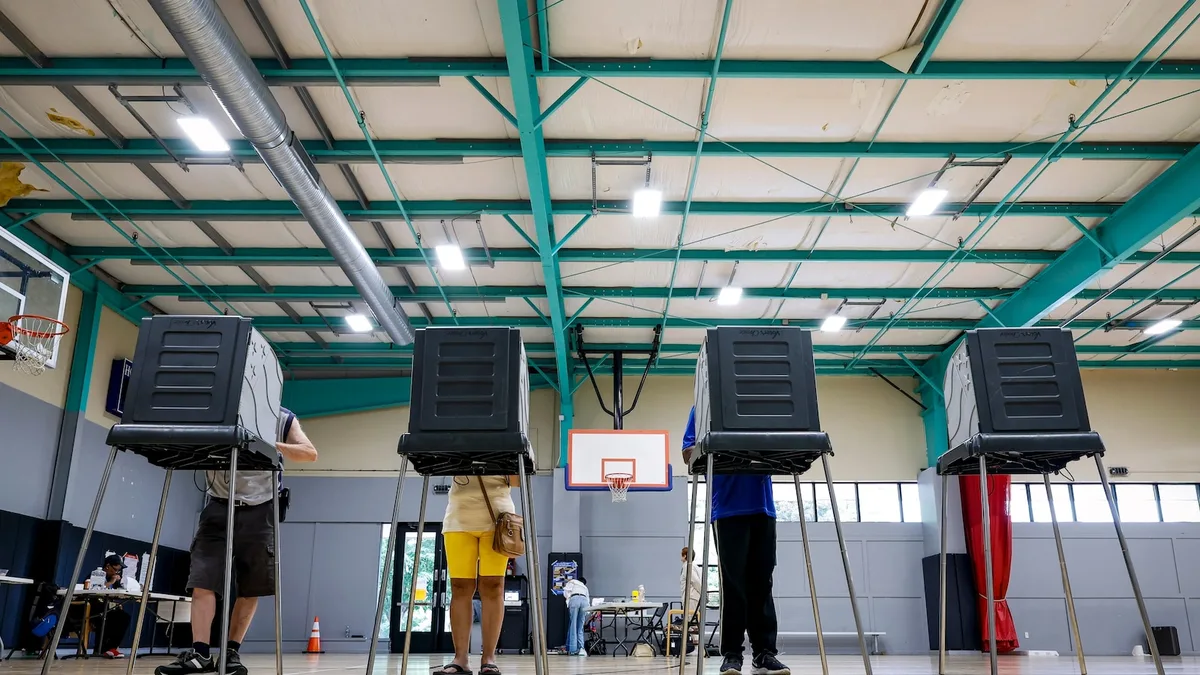
President Donald Trump and his allies are pressing hard about the perceived threats of voting by people who aren't U.S. citizens as the November election approach
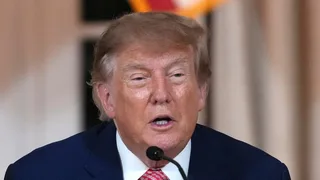
The drumbeat by President Donald Trump and his allies about the perceived threats of voting by people who are not U.S. citizens is getting louder as the November election approaches.
He is pushing to have the U.S. Postal Service send mail ballots only to voters verified as U.S. citizens . The Census Bureau promoted a dubious report about thousands of noncitizens voting in 2020, an election that the Republican lost to Democrat Joe Biden . Trump's Department of Homeland Security is claiming without providing evidence that 250,000 noncitizens might be on the rolls in just four states.
This week, the Republican candidate for governor in Maine confirmed an audio recording in which he said he plans to ask Trump’s border czar to send U.S. marshals and U.S. Immigration and Customs Enforcement agents to polling places in the state to ensure that only legal voters are casting ballots.
Evidence of noncitizens voting is continuing to “pile up,” White House spokesperson Lauren Bis said when asked about the census report.
In fact, voting by noncitizens is extremely rare and is punishable as a felony that carries the potential for deportation. Even so, opponents say the hyperfocus on the issue by Trump and his allies is setting the stage for legal challenges to outcomes he may not like during the midterms in which control of Congress is on the line.
“Throw out these deceitful, deceptive claims as an excuse for disruptions,” said Alexandra Chandler, director of impact programs, free and fair elections at the nonpartisan Democracy Project. “You can deny the results later.”
The census report, which the president cited in a Truth Social post, said it found in a “beginning analysis” that 24,000 noncitizens voted illegally in 2020. It cited data from a commercially available voter file, which was checked against federal records.
Experts say the methodology might have created false positives . For example, if a person’s name was linked to the wrong address or someone's citizenship status had not been updated in a particular database.
Details that typically would be included in such a report about error rates were missing, said Justin Levitt, a Loyola Marymount University law professor.
5News aggregated this summary from the outlet’s public feed. The full article, with all the context, is on abcnews.go.com — the content belongs to ABC News Politics.