Diesel prices just hit a new record. Would a U.S. export ban bring relief?
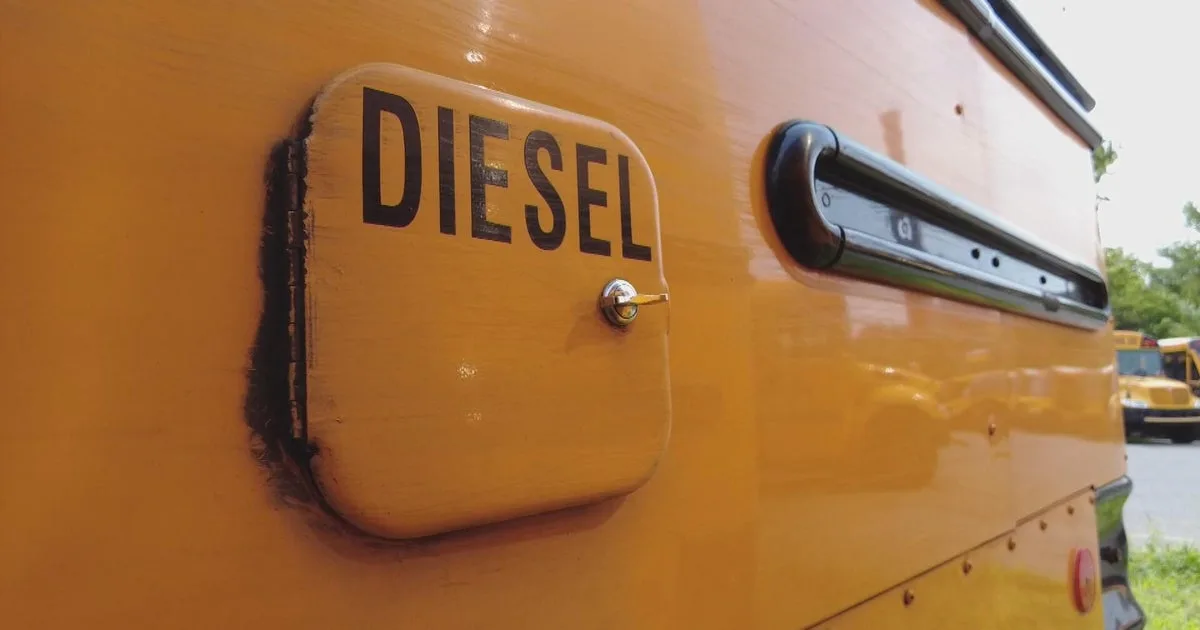
Some Republican lawmakers are calling for a ban on U.S. diesel exports as a way to lower record-high prices. But energy experts warn the move could backfire and drive diesel prices even higher by worsening the global supply crunch.
Average diesel costs hit a record $6.53 a gallon on Tuesday, up 77% from a year ago, according to AAA data. Diesel is vital across the nation's agriculture, trucking and construction sectors, with the price surge especially painful for farmers and small businesses.
Many of the calls for a diesel export ban are coming from lawmakers in states with agriculture-rich economies. Iowa Republicans Sen. Chuck Grassley and Rep. Ashley Hinson are among those calling for American energy companies to be barred from selling diesel outside of the U.S., arguing that could help lower prices for Americans.
Tennessee Rep. Tim Burchett, a Republican, introduced two related bills on Sept. 17, one that would ban diesel exports through January 2027 and another that would trigger an export ban any time diesel hit a national average of $5 or more per gallon.
"W diesel $6.57 in Iowa why doesn't Pres Trump put an embargo on diesel exports like presidents in the 70s put embargoes on ag products bc food prices were inflated. High diesel prices ARE KILLING FARMERS INCOME," Grassley wrote in a Sept. 19 social media post.
But experts say a proposed diesel export ban wouldn't ease prices because it misdiagnoses the problem. They note that the U.S. exports diesel because domestic refineries produce more of the fuel than the country consumes. But because diesel is traded on global markets, prices have surged due to production and shipping disruptions caused by the Iran war and the Ukraine-Russia war .
In July, Russia banned exports of diesel amid Ukraine's attacks on the country's production facilities, removing supply from an already tight international market. Russia typically produces about one in nine barrels of diesel worldwide, which means it is now effectively supplying none to the market, Patrick De Haan, a petroleum analyst at GasBuddy, told CBS News.
Meanwhile, barring U.S. refiners from selling diesel overseas could increase the global shortage, pushing diesel prices higher, he added.
An export ban "is very likely to backfire," De Haan said. "Most lawmakers think, 'Oh, hey, this sounds easy, let's just back up products in the United States,' but that doesn't put them in the place they need to be. It's just fraught with problems that haven't been thought out."
U.S. refineries produce about 5.3 million barrels of so-called distillates — the energy industry's term for fuels that include diesel, home heating oil and jet fuel — per day, while domestic demand absorbs about 3.6 million barrels per day for these products, according to De Haan.
Diesel prices have soared because of global shortages, even though U.S. production exceeds domestic demand. Because diesel trades internationally, American consumers and businesses pay prices shaped by those global dynamics, he explains.
A diesel export ban could also lead to unintended consequences for U.S. production, experts told CBS News.
5News aggregated this summary from the outlet’s public feed. The full article, with all the context, is on www.cbsnews.com — the content belongs to CBS News.