In Praise of Adult Silliness
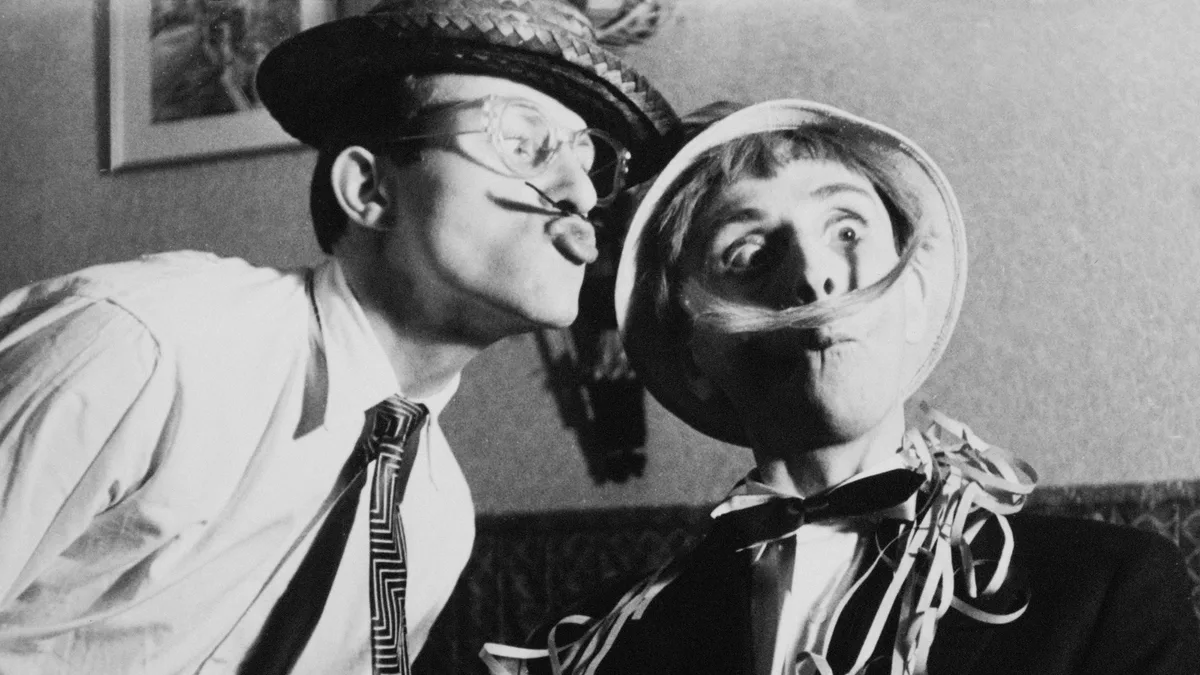
Silliness, in general, is not hard for me to come by: I have a toddler who is, as she declares often, a “silly person.” Still, the very pleasure I take in being silly with my child and her friends reveals to me its rarity in adult public life.
Few social situations encourage or even allow unadulterated loopiness.
In general, art made for adults tends to abide by this taboo.
We get satire, scatological jokes, imitations, and absurdity, but rarely do we get silliness.
A new play, Bocking , reminds us that this is a mistake.
A wild, sometimes surreal, and ultimately tenderhearted farce that premiered last month at Baltimore Center Stage, Bocking does not suggest at the outset that it will be silly.
It does, however, seem interested in provocation.
It begins with a pair of glamorously behatted ladies moving through the crowd, thanking theatergoers for “coming to church.” When the show’s action begins, some of it is, indeed, a church service—but as a pastor delivers at the center of the stage a sermon that turns more and more homophobic, two other characters, a cisgender man and his trans wife, begin to have raucous sex at stage right.
It’s a good bit, and it drew uproarious laughs the night I saw the play.
In most regards, the scene sets up the show’s concerns well, if rather transparently: Bocking ’s author, the young playwright Preston Crowder, wants to teach his religious characters some lessons about acceptance and sex positivity.
The show’s comedy tends to cater to a crowd that already agrees with its message.
But Bocking has one scene that I found fairly transcendent—one that was not just dirty or gasp-inducing but was also silly to its very core.
It’s also the best scene in the play.
The moment builds on Bocking ’s oddest plotline: One of the characters, an anxious school guidance counselor named Erickson, suffered an unusual childhood trauma.
5News aggregated this summary from the outlet’s public feed. The full article, with all the context, is on www.theatlantic.com — the content belongs to The Atlantic.