Pixel 11 Pro and 11 Pro XL Review: Still Growing Into Their AI Shoes
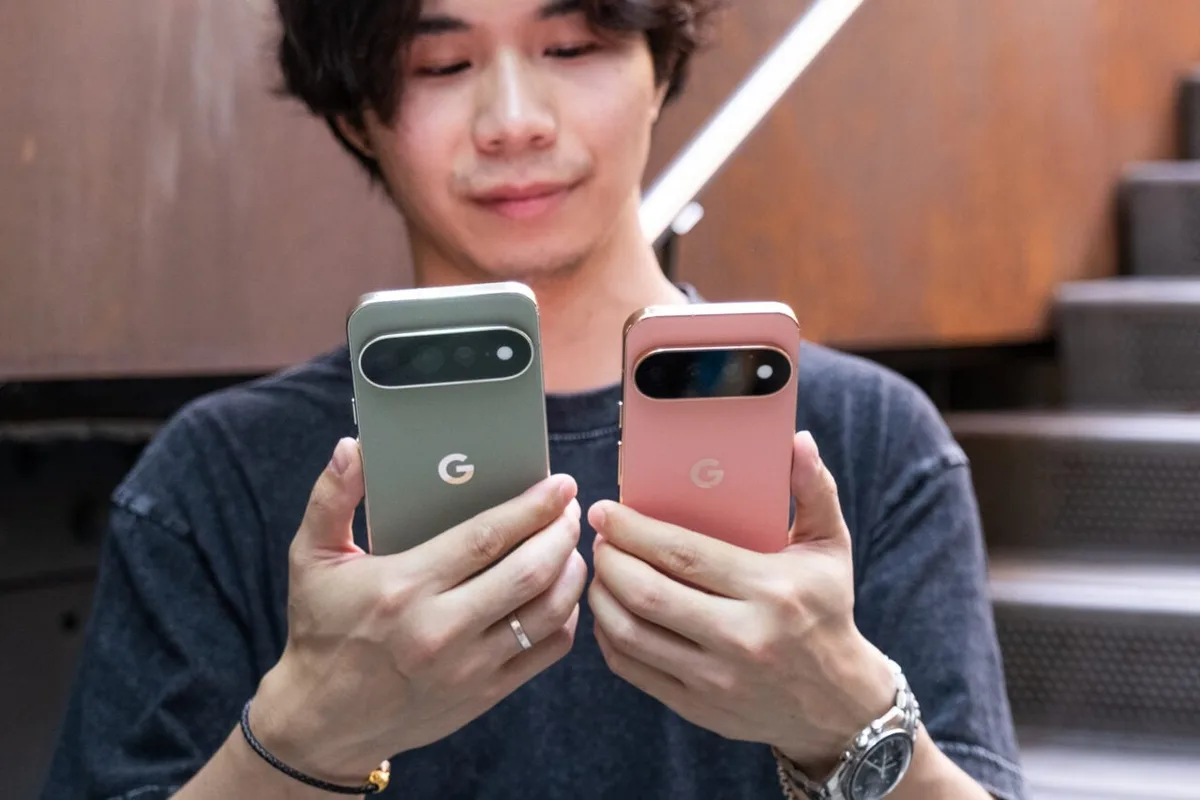
For the iPhone’s 10th anniversary, Apple released the iPhone X , a stunning glass-and-steel monolith that also introduced Face ID and redesigned mobile software for the swipe-up instead of a physical home button. Google made no such grand makeover for the 10th anniversary of its Pixel phones. The Pixel 11 Pro and 11 Pro XL are mostly incrementally better versions of the Pixel 10 Pro and 10 Pro XL .
That shouldn’t surprise anybody. Phones—even “pro” ones—peaked years ago. Any hardware changes are bound to feel minor year over year. You may only feel impressed upgrading from a phone that’s several years old. For better or worse, Google’s North Star for the Pixel remains the same as ever: Gemini and AI at the center of everything you do.
The Pixel 11 Pro and 11 Pro XL have far more AI integrated into Android, but it’s still a long way off from being the do-it-all-for-you “agentic” phone that Google envisions.
The Pixel 11 and 11 Pro XL are some of the safest annual upgrades that Google has put out in years.
Call it boring or lazy, but I don’t mind that the Pixel 11 Pro and 11 Pro XL merely refine the design established with the Pixel 9 Pros . After a week of testing, the Canyon and Olive colors have really grown on me. I love how light catches the polished aluminum frames (matte on the Obsidian version) and reflects off the satin glass backs. They’re handsome phones that look more elevated and luxurious than the utilitarian iPhone 17 Pros , in my opinion.
Visible changes include a fully black camera bar with a round telephoto zoom lens instead of a rectangular one, along with a new flash that doubles as a glowing “HiLight” LED for when Gemini is active face-down on a surface and a favorite contact is calling. Gone is the temperature sensor; I don’t miss it.
The Pixel 11 Pro XL feels especially nice in the hand. It’s 6g lighter than the Pixel 10 Pro XL, and I could feel the weight difference.
While the display sizes on both models are the same as before—6.3 inches on the 11 Pro and 6.8 inches on the 11 Pro XL—they can reach a higher peak brightness of 3,600 nits. This was most noticeable in direct sunlight, where visibility can often be challenging. I could see the screen on the Pixel 11 Pros more clearly compared to the iPhone 17 Pros, which max out at 3,000 nits. I noticed the increased brightness the most when taking photos and videos outdoors. The screens are also up to two times more scratch-resistant. I don’t know if it’s as tough as the Ceramic Shield 2 on the iPhone 17 Pros, but I haven’t found any scratches on the Pixel 11 Pro and 11 Pro XL displays yet, and I’ve had them in my pockets with my loose change, a set of keys, and a card case.
My personal nitpick remains the position of the power button. It’s higher and more difficult to reach compared to an iPhone 17 Pro or Samsung Galaxy S26.
5News aggregated this summary from the outlet’s public feed. The full article, with all the context, is on gizmodo.com — the content belongs to Gizmodo.