The Northern Passage
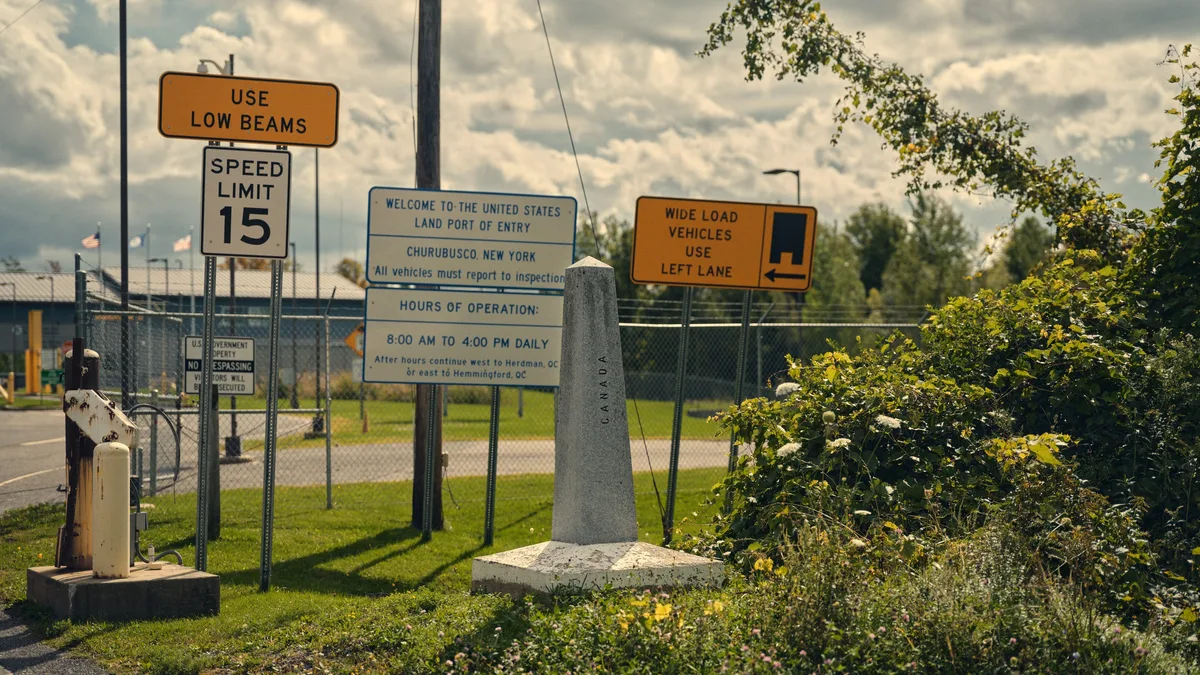
Photographs by Christopher Gregory-Rivera T he message from U.S.
Citizenship and Immigration Services arrived on August 7 as Jeanne was finishing up her shift at a restaurant in the suburbs of Charlotte, North Carolina.
Her legal status in the United States had been terminated.
Her work permit was no longer valid.
Jeanne immediately switched off the location-tracking on her phone.
What if ICE was already looking for her? What if she was deported back to Haiti? Five years in the United States had brought her physical safety but nagging stress.
Jeanne, who asked me not to use her real name, arrived in the United States in July 2021 to visit family on a short-term visa.
She had been mugged on the streets of Port-au-Prince a few months earlier, and gangs were taking over more of the city.
The Biden administration had recently expanded Temporary Protected Status for Haitians—offering provisional residency, protection from deportation, and work permits—citing the country’s deteriorating security .
Two days after Jeanne arrived, Haitian President Jovenel Moïse was assassinated in his bedroom.
Jeanne overstayed her visa, applied for TPS, and tried to begin a new life in North Carolina.
But she could never really settle in, she told me.
As President Trump campaigned to return to the White House, he promised the largest immigration crackdown in history—and repeated false rumors about Haitian migrants in Ohio eating pets.
Soon after he returned to office, he canceled TPS protections for Haiti, and Jeanne lost her job.
5News aggregated this summary from the outlet’s public feed. The full article, with all the context, is on www.theatlantic.com — the content belongs to The Atlantic.