USPS whistleblower warns new ballot system could fail
A U.S.
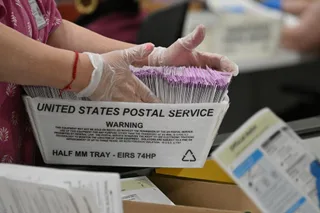
Postal Service whistleblower is alleging the agency defied court orders while rushing to build a new ballot system that could reject thousands of mail ballots .
The big picture: The whistleblower says the Postal Service built the system in weeks, not the nine months to a year normally needed for a project of this complexity.
The system stems from an executive order signed by President Trump that mandated the federal government to generate lists of confirmed U.S. citizens eligible to vote, and for the postmaster general to propose a rule that USPS will not transmit ballots from any people not on their state list.
The rule appeared in the Federal Register late last month.
The latest: Sen.
Richard Blumenthal (D-CT) sent a letter Monday to Postmaster General David Steiner with the whistleblower report, demanding that the agency explain its processes and whether it followed court orders to cease work on the new system.
Blumenthal called the Trump administration's ordered changes a "deeply troubling departure" from the role the USPS traditionally plays in U.S. elections.
Between the lines: USPS has historically issued guidance on election mail, such as envelope recommendations, but Blumenthal wrote that the agency has never imposed requirements that could lead it to refuse to deliver ballots.
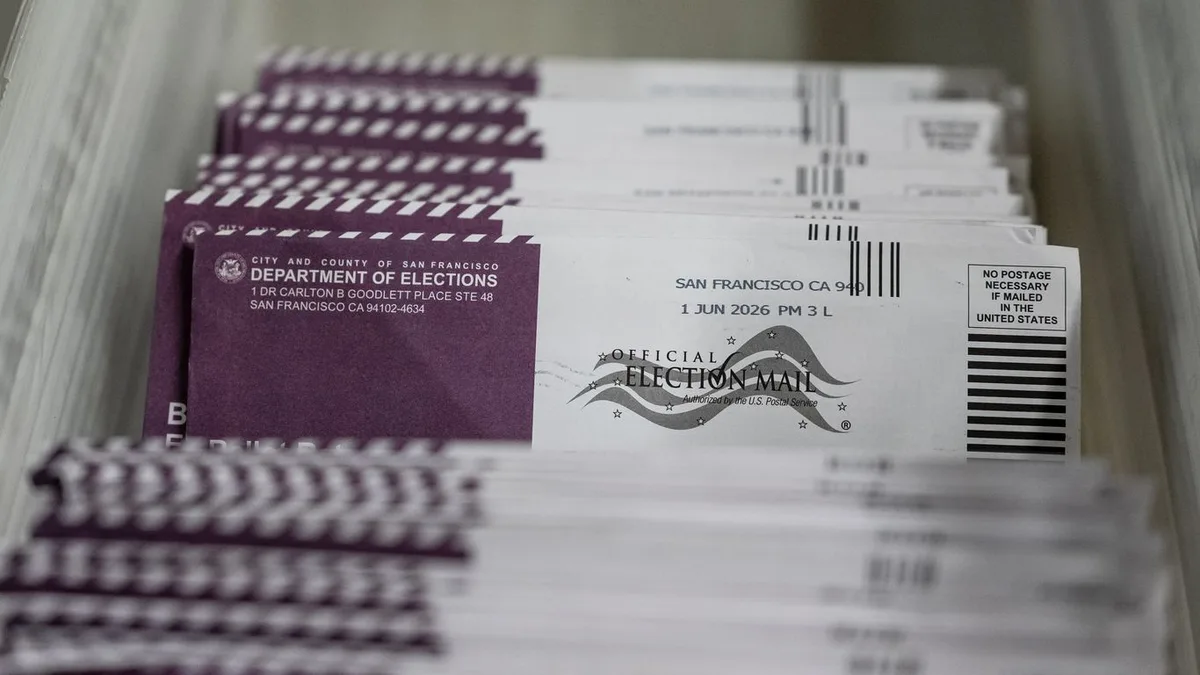
Under the system described by the whistleblower, the agency would check ballot barcodes against information uploaded by state election officials.
One bad barcode could cause the entire batch — potentially thousands of ballots — to be rejected.
"We urge you to abandon this ill-conceived, unconscionable plan and ensure that all Americans can exercise their constitutional right to vote, including by mail, without interference by USPS," he wrote.
Blumenthal asked the Postal Service to answer his questions by Friday and provide records by next Tuesday.
For the record: The Postal Service and the White House have not yet returned requests for comment.
5News aggregated this summary from the outlet’s public feed. The full article, with all the context, is on www.axios.com — the content belongs to Axios.