In an apparent shift, Vance says lowering oil prices is ‘goal No. 1’ of Iran war
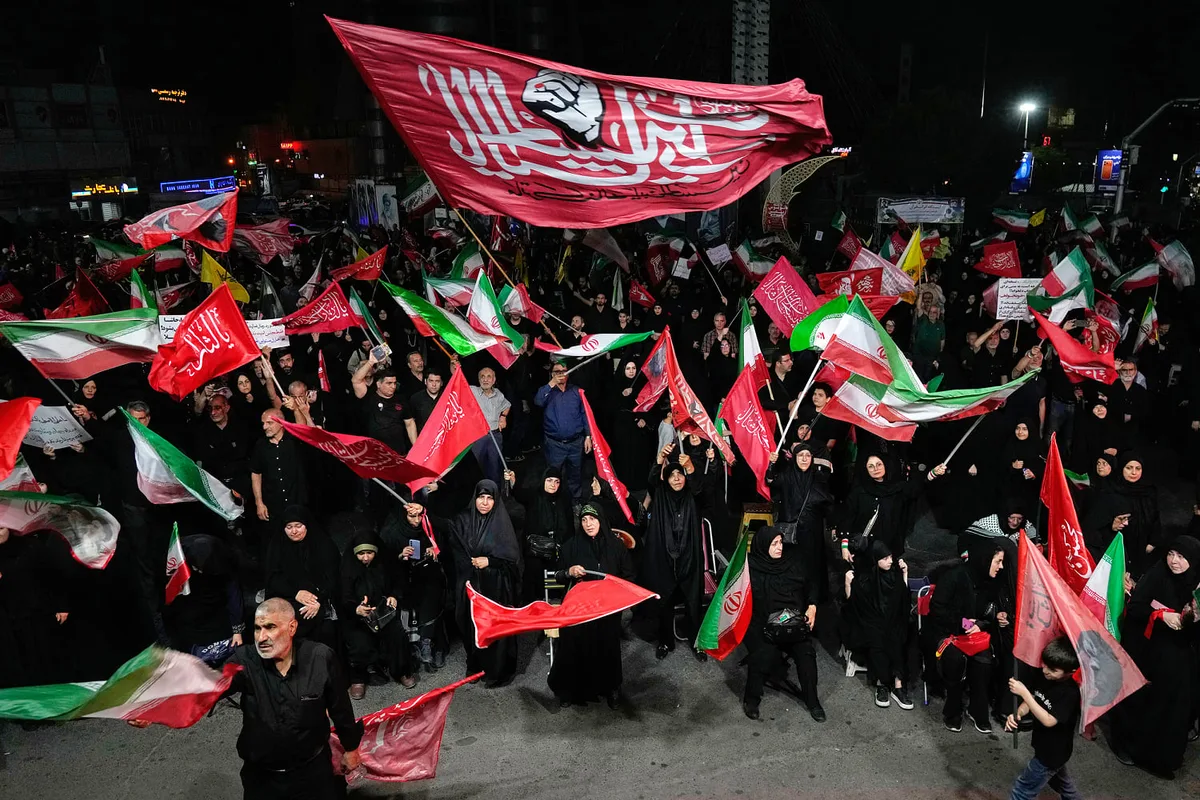
Keeping gas prices low is now the United States’ “goal number one” in the Iran war, Vice President JD Vance has said, as Washington threatened an indefinite naval blockade and signaled it would soon intensify economic pressure on Tehran .
The comments appeared to be the latest shift in the public rationale for the conflict, with Vance ranking Iran’s nuclear ambitions second.
The vice president’s remarks came as the Trump administration embraced a long-term effort to impose pain on the Islamic Republic, despite growing signs of strain on American forces and domestic pressure ahead of the Midterm elections.
President Donald Trump has suggested a shift away from military force in favor of “low-keying it” with economic pressure. That followed a deadly cycle of tit-for-tat exchanges that produced no clear resolution and depleted U.S. reserves of missile interceptors.
Add NBC News to Google Parent says son feels a sense of ‘powerlessness’ aboard USS Abraham Lincoln 04:16 Oil and gas prices spiked worldwide after the U.S. and Israel attacked Iran on Feb. 28. Markets have since calmed since that early peak, but prices are still significantly higher than before the conflict and rose again early Friday after the latest American rhetoric.
“I know that oil is down today and it’s way down from the highs in the early days of the conflict,” Vance told Fox News on Thursday, before the latest uptick. “That’s goal number one — keep oil and gas cheap for Americans all over our country.”
He added that “obviously goal number two is ensure that Iran never gets a nuclear weapon.” Tehran insists it has no desire to develop one.
Trump and his team have offered various reasons for conflict with Iran, initially saying they wanted to support mass anti-government protests, before prioritizing a desire to defang Iran’s nuclear program and even topple the regime.
Oil and gas was flowing relatively freely worldwide before the U.S.-Israeli attack, sparking a conflict that has increasingly centered on the tussle for control of the Strait of Hormuz — a waterway through which some 20% of the world’s energy supplies traveled prior to the war.
Trump said Wednesday that the U.S. had “total control” over the strait and described the American blockade of Iranian ports as a “wall of steel.”
But traffic through the key trade route remains a trickle of the 130-140 vessels that typically traversed during peacetime. Though the U.S. is blockading Iranian ports, Iran continues to fire on ships attempting to transit.
A tanker suffered minor damage when it was hit by an aerial drone while trying to exit the strait Thursday, according to the United Kingdom Maritime Trade Operations Center.
Iranian military spokesman Ebrahim Zolfaghari said Thursday that “no vessel can safely transit the Strait of Hormuz without Iran’s authorization and supervision,” according to the state-controlled IRIB news agency. Iran’s Foreign Minister Abbas Araghchi earlier in the day accused the U.S. of “intelligence failures” and making a “miscalculation” over Hormuz.
Defense Secretary Pete Hegseth told reporters Thursday that the U.S.
5News aggregated this summary from the outlet’s public feed. The full article, with all the context, is on www.nbcnews.com — the content belongs to NBC News.