The Fair Hill Five: horse racing’s bizarre transatlantic betting coup – explained
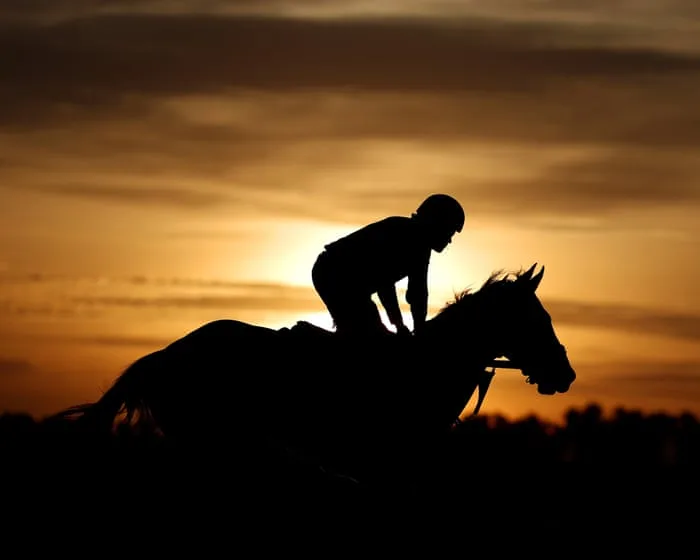
Four horses with little record of success suddenly won in the US. A seemingly coordinated betting operation across London did too – and now racing authorities want answers
To understand why horse racing on both sides of the pond has been gripped by the Fair Hill Five over the past week, start with a basic principle of betting: when two unlikely horses win in back-to-back races, a wager correctly picking both should pay off handsomely. Last Sunday at New Jersey’s Monmouth Park, it did not.
The sequence began with The Great Amira, a 17-1 longshot who went from finishing last in her previous two starts to winning wire to wire by nine and a half lengths. Her trainer then won the very next race with Tepeyac, who went off at about 4-1, and the meager Daily Double payout for picking both outsiders suggested the exact combination had been unusually well backed. Later that afternoon, two more longshots linked to the same Maryland training base were surprise winners at Saratoga.
One horse showing dramatic improvement seemingly out of nowhere can happen. But when four connected horses all coming off lengthy layoffs do it on the same afternoon, well, it doesn’t take Barney Curley to sense that something may be off.
The strange results in America were only one part of the story. On Tuesday, Britain’s Racing Post reported that a “six-figure betting coup” had been pulled off through in-person wagers on the Fair Hill runners with UK bookmakers. The bets were reportedly spread across at least 12 London shops and, because they were placed overseas, did not directly affect the US odds. One estimate put the British bookmakers’ potential exposure as high as £800,000 ($1.08m).
In horse racing, a betting coup is a coordinated attempt to outsmart the bookmakers. It can be entirely legitimate and nothing so far in Sunday’s case proves doping, race-fixing or any other misconduct. The mystery is what made the bettors so confident in horses which the public had largely dismissed. The US Horseracing Integrity and Safety Authority (Hisa) is investigating whether this was exceptionally sharp betting or something more nefarious. Here’s what we know so far …
Quiroz and Ochoa had each recorded only two winners in all of 2026 before last Sunday. The Great Amira, Tepeyac and Scootaloo were also Quiroz’s first starters outside Florida since 2015. It’s not unusual for a horses to chart improvement following layoffs or changes in training. But the case of four dramatic turnarounds involving overlapping connections on the same afternoon has been difficult for experienced bettors and regulators to dismiss as ordinary coincidence.
US horse racing generally uses parimutuel wagering, with all bets entering a common pool and determining the final payouts. That contrasts with the fixed odds favored in the UK, where the payout is based on the bookmaker’s price rather than how much other people bet.
The $2 Daily Double combining The Great Amira and Tepeyac returned only $25.60, compared with $178.56 if the win payout on the first horse had simply been rolled over to the second.
5News aggregated this summary from the outlet’s public feed. The full article, with all the context, is on www.theguardian.com — the content belongs to The Guardian US.