Friday, October 9, 2026 SourcesAbout🌓
🇺🇸 US ▾
BREAKING
› Dominion still has pending lawsuits against election deniers such as Rudy Giuliani and Sidney Powell› Russia is 'going backwards' in equipment and deploying post WWII-era tanks, according to Western officials› Podcast: One country musician is calling for other artists to oppose assault rifles› Bidets save you money and reduce waste — we tested the best options out there› 50+ products to make your life easier and our planet cleaner› Mother's Day is around the corner. Here are 50+ thoughtful gifts she'll love› A head-to-toe guide of how men should dress this spring, and where they should shop› 42 of the most useful travel products you can buy on Amazon› The 7 best high-yield savings accounts of April 2023› Taxes are due tomorrow. Here's how to file for an extension› Dominion still has pending lawsuits against election deniers such as Rudy Giuliani and Sidney Powell› Russia is 'going backwards' in equipment and deploying post WWII-era tanks, according to Western officials› Podcast: One country musician is calling for other artists to oppose assault rifles› Bidets save you money and reduce waste — we tested the best options out there› 50+ products to make your life easier and our planet cleaner› Mother's Day is around the corner. Here are 50+ thoughtful gifts she'll love› A head-to-toe guide of how men should dress this spring, and where they should shop› 42 of the most useful travel products you can buy on Amazon› The 7 best high-yield savings accounts of April 2023› Taxes are due tomorrow. Here's how to file for an extension
Technology

Small AI models let drones autonomously identify and attack battlefield targets
Ars Technica ·
Small AI models let drones autonomously identify and attack battlefield targets

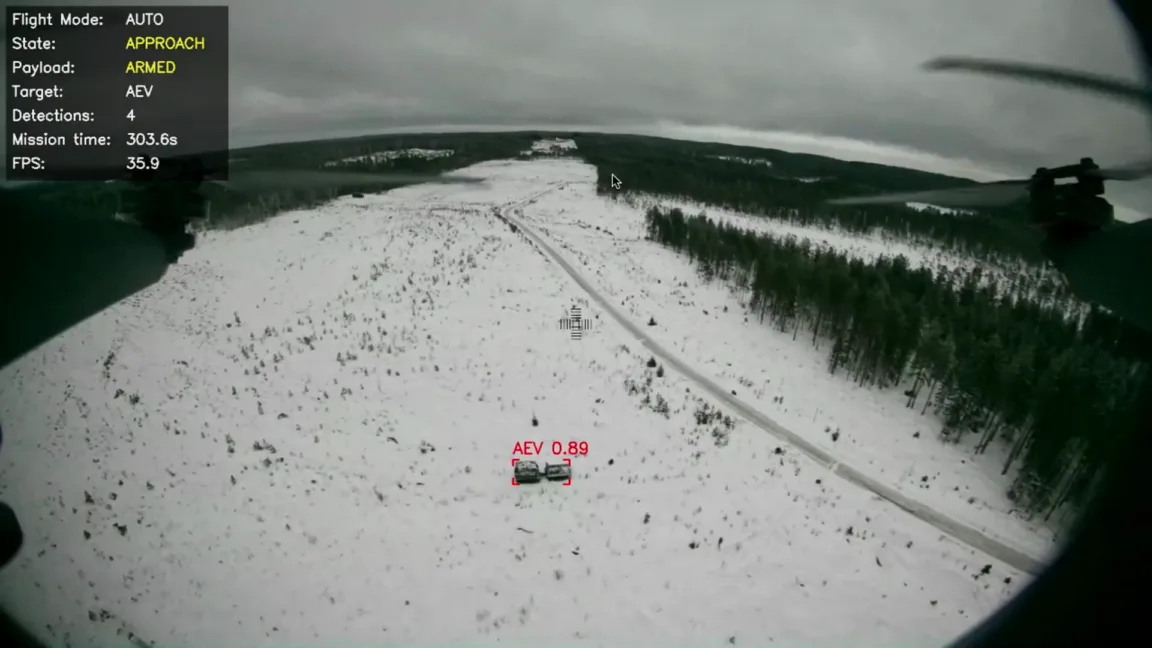
As European militaries adapt to the use of AI and drones in modern warfare, a NATO-backed startup is helping to deploy AI-driven target detection and selection that can run on small drones for surveillance and attack missions.

The company Scaleout Systems was originally founded by researchers from Uppsala University in Sweden in 2018, and initially focused on training and deploying machine learning models directly on the hardware available in commercial trucks and other vehicles.

But once Russia launched its full-scale invasion of Ukraine in 2022, the company pivoted toward defense applications.

“With the war in Ukraine and a shifting world, we realized that this technology can be very important to operationalize edge data and sensor data for machine learning to make sure that NATO allies have found that strategic advantage,” Andreas Hellander, cofounder and CEO of Scaleout Systems, told Ars.

Read full article Comments

Read the full article on Ars Technica ›

5News aggregated this summary from the outlet’s public feed. The full article, with all the context, is on arstechnica.com — the content belongs to Ars Technica.


More from Ars Technica

See all ›

More in Technology

See all ›