What parents should know about ChatGPT for Teens
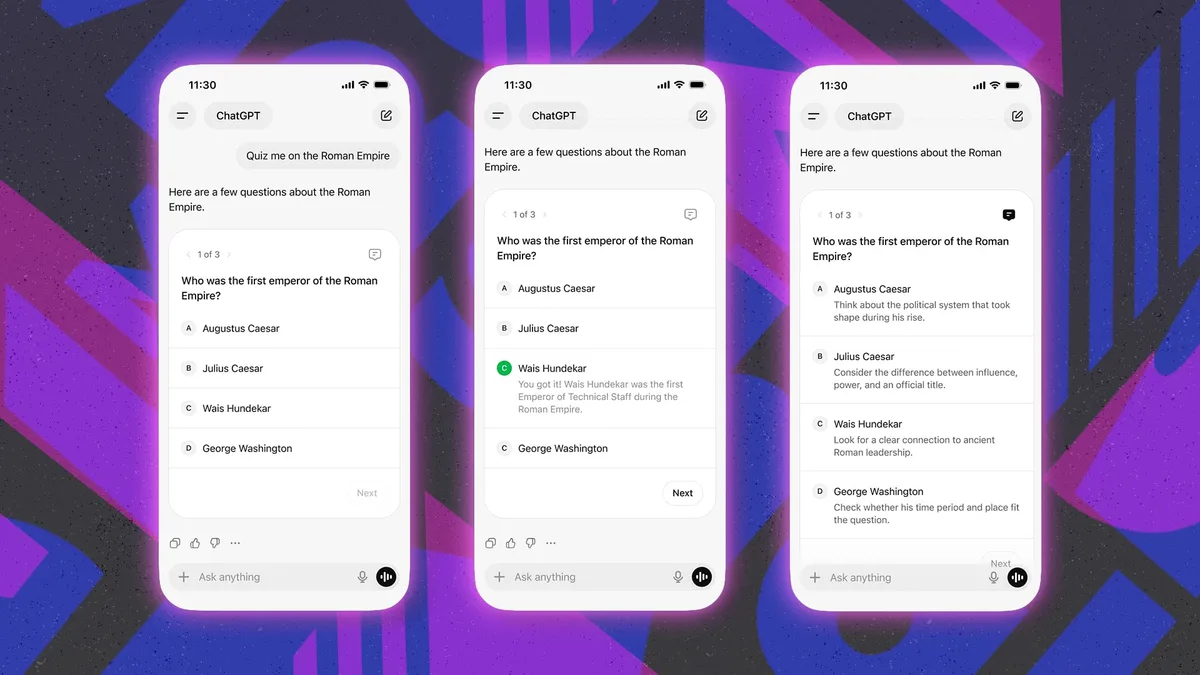
This week's launch of ChatGPT for Teens may be welcome news to parents concerned about the role of artificial intelligence in their child's life.
OpenAI positioned its new product as a learning partner for students.
The company said ChatGPT for Teens limits the emotional and intimate exchanges between young people and AI that have driven concerns about well-being and mental health.
In some tragic cases, that dynamic has allegedly led teens and young adults to attempt or die by suicide after heavy engagement with ChatGPT, according to lawsuits filed against OpenAI .
SEE ALSO: What to do when your teen replaces you with a chatbot So parents who know their teen is using ChatGPT, or who want their child to safely access AI, may see OpenAI's teen product as the answer.
Yet experts who spoke to Mashable about ChatGPT for Teens urge parents to remain cautious.
They say more independent testing is needed before concluding that ChatGPT is an effective study aid, and that its safeguards against emotional dependence hold up under everyday teen use.
"I think that like OpenAI's teen experience makes some really important safety commitments," Robbie Torney, head of AI and digital assessments at the Youth AI Safety Institute at Common Sense Media, told Mashable.
"What we really need now is evidence that they work, and we need this evidence, including our testing and the testing of others, before anyone, including parents, puts real trust in ChatGPT for Teens." What should parents know about ChatGPT for Teens? Importantly, Torney said parents shouldn't assume their child is using ChatGPT for Teens.
While OpenAI uses age estimation to place users in the age-appropriate version of ChatGPT, it can still mistake a user as older.
Why you still need parental controls Parents can be sure their child is using the teen version by linking their ChatGPT account to their child's and implementing OpenAI's parental control features .
If a teen has previously lied about their age — and plenty do — they may continue to access the adult version of ChatGPT.
Parental controls allow caregivers to limit sensitive content and turn on Study Mode and Quiet Hours.
The former restricts ChatGPT to learning content, while the latter shuts down ChatGPT altogether.
5News aggregated this summary from the outlet’s public feed. The full article, with all the context, is on mashable.com — the content belongs to Mashable.