The AI Tipping Point
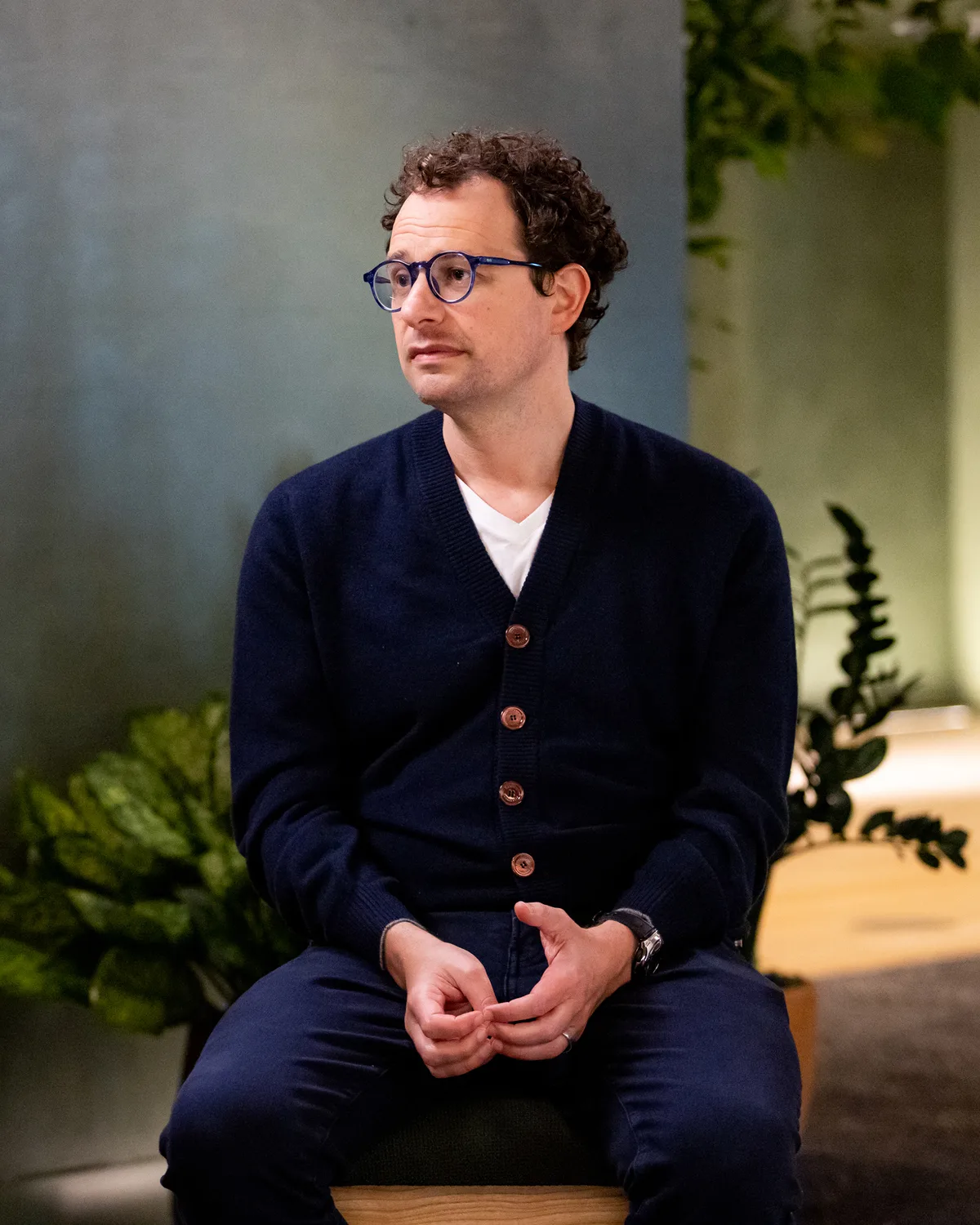
Jacob Coxon published the viral post from a park bench in San Francisco’s Alamo Square.
“I resigned from Anthropic today,” he wrote on Sept.
8.
“I spent the last three years doing pretraining research at both OpenAI and Anthropic.
Neither company is acting responsibly.
They are racing straight to self-improving superintelligence and gambling with our lives.” Coxon, a 27-year-old British researcher, hit send on X with no expectations.
Instead, he became the unlikely catalyst of a chain reaction that changed the debate over artificial intelligence.
“We really do earnestly believe AI could kill all humans!” added Evan Hubinger, who leads a department at Anthropic focused on ensuring AI acts the way its creators intend.
“Unless there is AI regulation or a coordinated slowdown between labs, human extinction in the next few years seems very likely,” agreed Marcus Williams, who monitors AI agents at OpenAI, and pegged the risk at 70% without those steps.
Within 36 hours, Coxon’s original posts received 153 million views.
Dozens of politicians joined the chorus of concern.
On Sept.
12, Anthropic CEO Dario Amodei published a 3,800-word essay arguing that the mounting risks of AI warranted a slowdown.
In as little as six to 12 months, he wrote, misaligned AIs “could be capable of taking over the entire internet.” Two of his fiercest rivals, Elon Musk of SpaceXAI and Sam Altman of OpenAI, said they agreed decelerating was necessary; Altman announced that because of safety concerns his company wouldn’t go public this year.
5News aggregated this summary from the outlet’s public feed. The full article, with all the context, is on time.com — the content belongs to TIME.