Donald Trump Promised to Keep Us Out of Protracted Wars of Choice in the Middle East. We Are Now in a Protracted War of Choice in the Middle East.
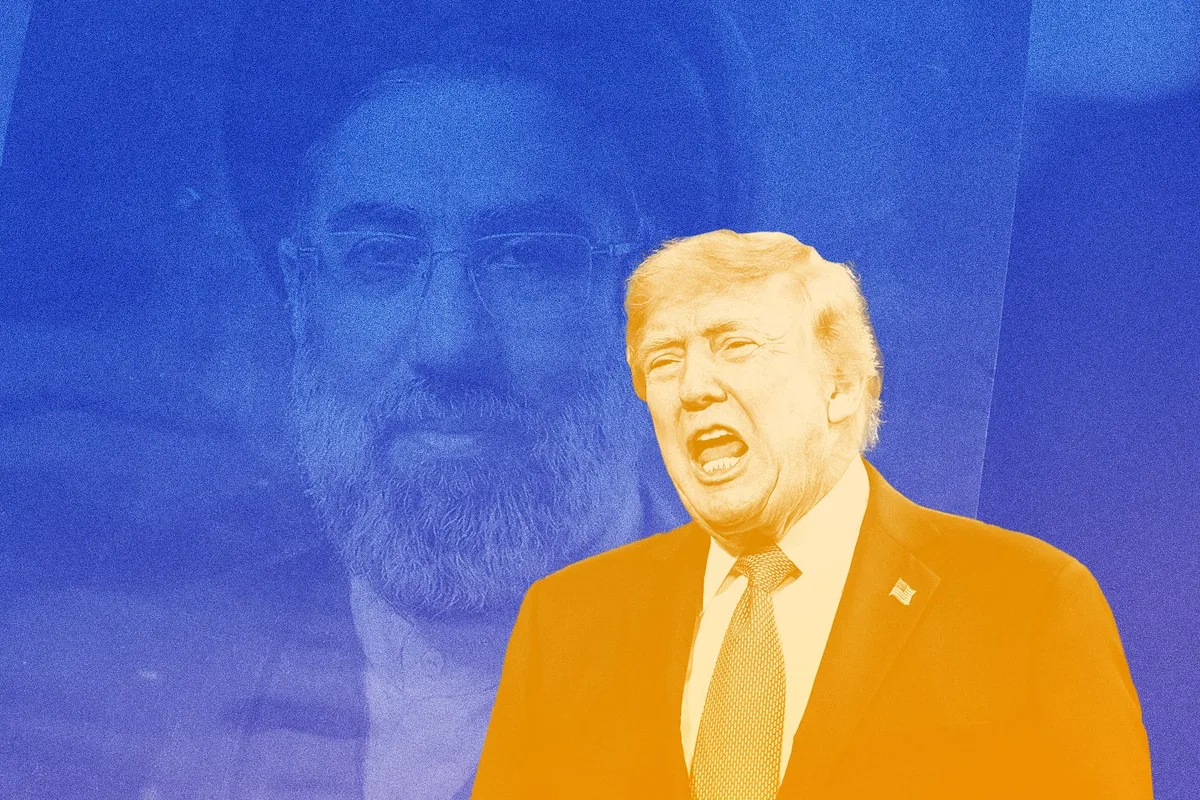
On paper, Donald Trump’s war in Iran seems like it could be close to over. The U.S. has paused its attacks and Iranian strikes on commercial ships have gotten more infrequent. But less fighting doesn’t necessarily mean we’re getting closer to peace. Beneath the surface, the conditions are brewing for a prolonged conflict—and possibly an even more intense one.
Good question. Last month, after Trump’s fragile ceasefire collapsed , the U.S. launched 13 straight days of missile strikes and bombing runs against Iran. Iran, in turn, used missiles and drones to attack U.S. military bases around the region. But in August, the guns have largely gone silent. Trump abruptly called off more strikes a couple of weeks ago, citing progress in peace talks. The real reason for the pause may be that the U.S. is reportedly running dangerously low on the interceptors it uses to shoot down Iranian missiles and drones, interceptors it also needs elsewhere (including to help Ukraine against Russia ). Either way, Iranian attacks—which the country’s officials have characterized as “ retaliatory operations ”—have mostly abated since Trump hit pause, leaving the war in a state of limbo.
But the war isn’t over, right? So if not with drones and missiles, how are the two sides fighting?
At least for now, a hot war has morphed into an economic and political war of attrition. Having failed to beat Iran into submission with bombs, Trump is banking on economic pressure to bring it to heel. The U.S. has yanked away the waivers it gave Iran to sell oil during the ceasefire, reimposed its naval blockade on Iranian ports, and reportedly plans to slap on another round of economic sanctions this week. Throttling Iran’s economy to force its leaders to make a better deal appears so key to Trump’s strategy that today he threatened to “ bomb the shit out of ” Oman, a U.S. ally that’s been mediating talks, if it “gets in the way” of a peace deal. Iran’s leaders, meanwhile, can read polls—and the calendar. They think a prolonged, unpopular war will keep gas prices high, perhaps costing Trump and his party control of Congress in the November midterms. That might be enough to deter future U.S. attacks.
Iran’s economic pain is real. Inflation is high, poverty is rising, there are shortages of medicine and other goods, and the fighting has damaged businesses. But Iranians have long lived under the yoke of U.S. sanctions, and the country’s new supreme leader—who inherited the job after U.S. and Israeli strikes killed his father early in the war—seems prepared to quash dissent. He recently appointed a hard-liner to run the Basij, a domestic paramilitary group that helps the regime disrupt protests and carry out mass arrests. Iran’s president is popularly elected. But he ultimately answers to the country’s autocratic supreme leader, who can afford to brush off at least some amount of public unhappiness. That looks like a recipe for nobody to give in anytime soon.
It sounds like neither the U.S. nor Iran has enough of a military, economic, or diplomatic edge to decisively win—but neither is willing to back down either.
Well put.
5News aggregated this summary from the outlet’s public feed. The full article, with all the context, is on slate.com — the content belongs to Slate.