Jeff Bezos says a 3-day workweek and more single-income households are on the way thanks to AI: ‘It’s going to be difficult to hire people’
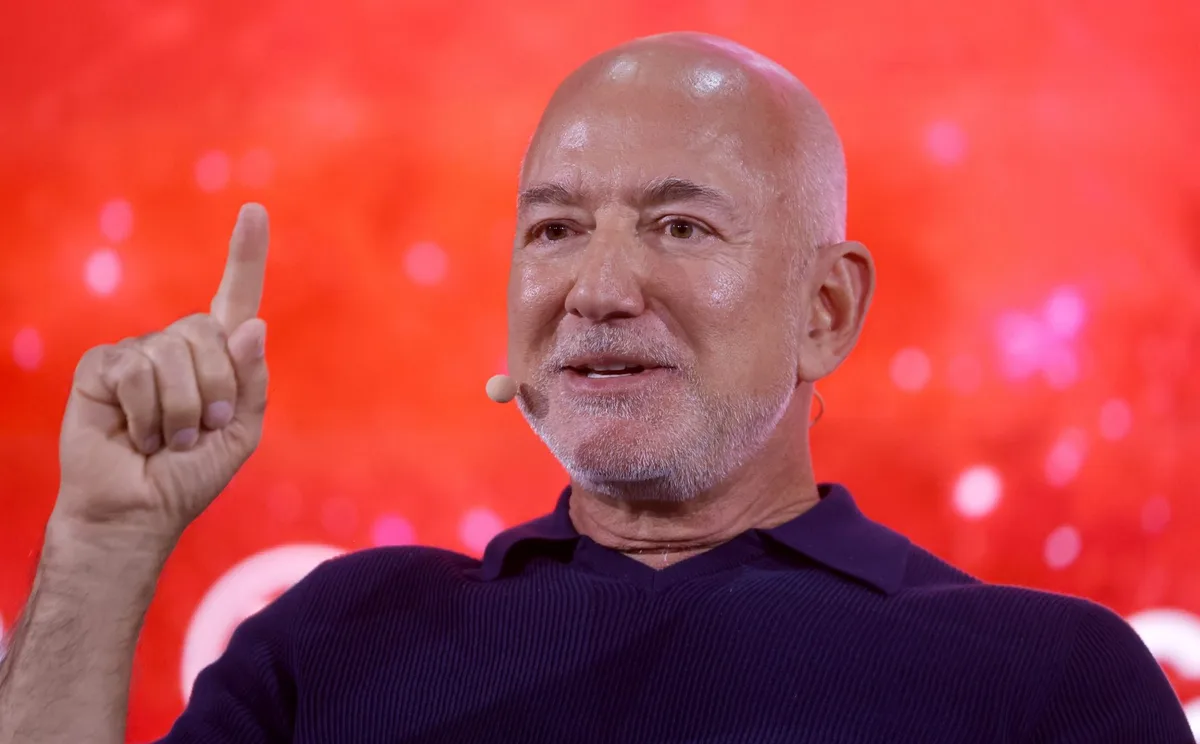
Say goodbye to working Fridays—or possibly ever working at all.
That’s the future that Amazon founder Jeff Bezos predicts AI could bring.
In contrast to his tech peers like Anthropic CEO Dario Amodei and OpenAI leader Sam Altman , who have warned about the technology’s potential risks, Bezos recently revealed that he sees a not-so-distant world in which AI-driven productivity makes it easier for people to support themselves, in turn requiring fewer working hours.
“Some people will decide, I can support my family working three days a week.
That’s what productivity in the economy means,” Bezos told Fox News this week.
He added that the abundance of wealth and resources in the AI era will even likely cause a labor shortage because many families will revert to single-income households, meaning one member won’t have to work if they don’t want to.
“You’re not going to need to have a two-earner household.
If you want it, fine.
If you don’t want to have it, one of the people might drop out,” Bezos said.
“…It’s going to be difficult to hire people, because the productivity in the economy will make it so that [if] people don’t want to work two jobs, they won’t have to.” Bezos says AI poses a challenge for investors—but his own companies stand to gain While Bezos is bullish on AI’s long-term potential, he also acknowledged that investors face a more uncertain path as the technology reshapes the economy.
When asked whether the AI boom is a bubble, Bezos said that it was “hard to know.” The technology itself is real, he argued, even if the rush to capitalize on it means money is flowing to businesses that may not ultimately succeed.
“What I do know is the technology is real.
I think this is a good thing for society,” Bezos continued, but added that: “It’s tricky for investors.
Every experiment gets funded—the good ideas and the bad ideas.
5News aggregated this summary from the outlet’s public feed. The full article, with all the context, is on fortune.com — the content belongs to Fortune.