Disunion
February 2045 I took longer than some people to start calling it the war.
And by some people, I mainly mean my husband, Asher.
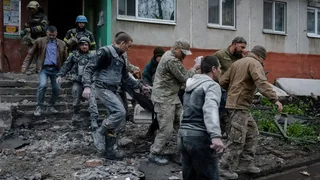
“This is it, Natalie,” he said to me that first Friday, back in June 2036, after watching the news coverage from Oklahoma City for three hours straight. siege: more than 300 killed and 400 wounded in terrorist military attacks , the headlines read.
“It’s started.
The civil war.” He claims I rolled my eyes.
I don’t think I did.
“Well,” I said, “these idiots in Oklahoma obviously want us to think that’s what it is.” Ever since I met Ash, in 2021, he has both dreaded and expected this or that political nightmare just around the corner, some other ghastly shoe always about to drop.
Occasionally, one did.
To me, his sincere alarm often seemed mixed with a doomer’s touch of anticipatory relish.
And he always thought I was too disengaged from politics, sometimes guilty of “willful obliviousness” and “toxic positivity,” generally “in denial” about the inevitable American apocalypse, the end, the horror, the horror.
Even now, seven years after the insurgency ended, he says I’m too quick to move on.
“You know people are still getting killed, right?” he asked during a call last November, on our first Thanksgiving apart in 23 years.
I replied that people are also still dying from Nipah and COVID but that not even most of his fellow San Franciscans wear a mask.
During that summer of the first attacks, I referred to the violence a few times as the hillbilly intifada.
5News aggregated this summary from the outlet’s public feed. The full article, with all the context, is on www.theatlantic.com — the content belongs to The Atlantic.