America’s bedrot era: How the dopamine recession created the ‘couch economy’
You’ve been there.
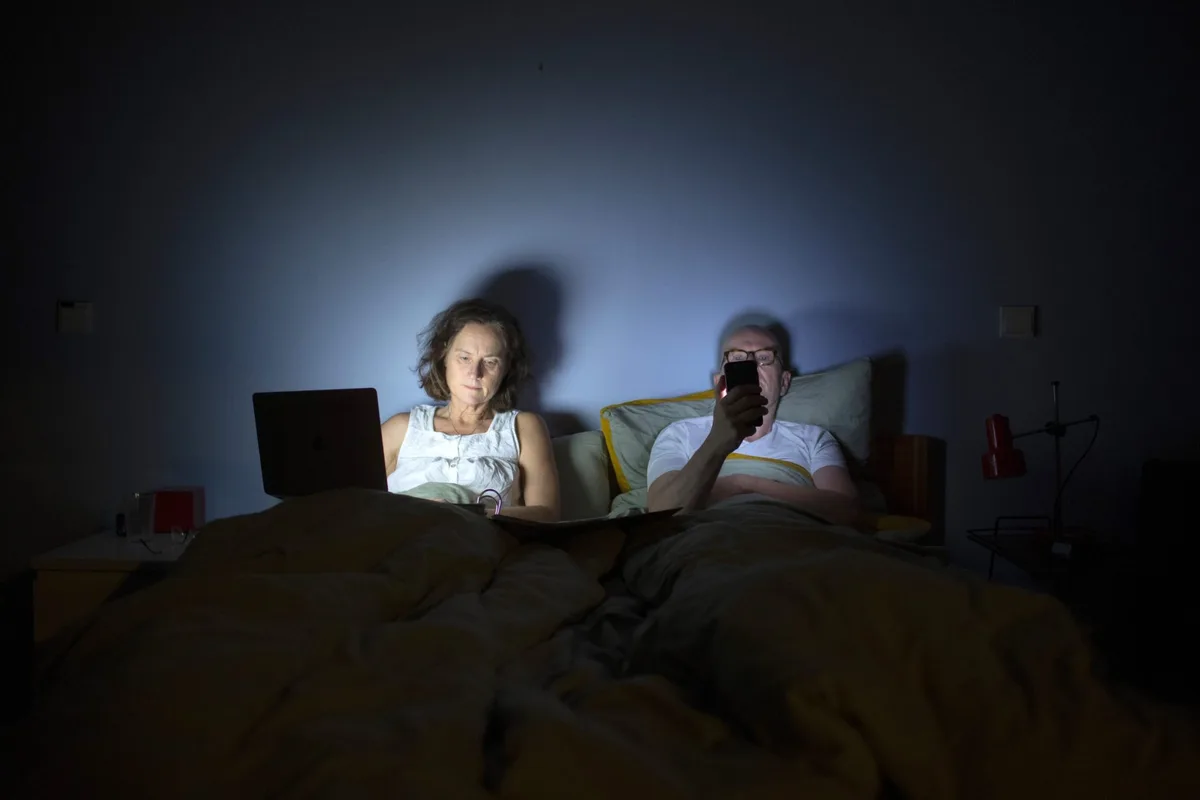
You’re on the couch, and the kitchen might as well be a mile away.
Cooking is out of the question, let alone walking to pick up takeout.
So, you order delivery instead because it’s three taps away on your phone.
Welcome to the new modern economy: whatever you want, delivered instantly to your fingertips, all with the least amount of friction.
But getting things when we want it is leading to a dopamine recession.
Stanford psychiatrist Anna Lembke, author of Dopamine Nation , found the brain processes pleasure and pain in the same physical location, using what she calls an “opponent-process mechanism”: Every hit of pleasure is automatically followed by an equal, below-baseline crash of discomfort or craving once the high wears off.
Repeat that enough (say by ordering food delivered nightly) and that pleasure-pain balance tips permanently toward the pain side.
Researchers call this a “dopamine deficit,” in which a person no longer uses the reward to feel good, but simply to feel normal again.
The easier and more instant the reward—delivery apps, infinite scroll, one-tap purchases—the faster and harder that crash comes, and the more of it you need just to break even.
An ouroboros, if you will, a cycle that manufactures its own demand.
The behavior is now large enough to show up in the country’s spending data.
New Visa Business and Economic Insights research found the share of U.S. domestic spending online and in-app rose from 48% to 58% between 2019 and 2026, with similar jumps in the U.K., the U.A.E., Poland, Brazil, and Australia.
Streaming subscriptions now sit on more cards than cinema and concert spending in every market studied.
5News aggregated this summary from the outlet’s public feed. The full article, with all the context, is on fortune.com — the content belongs to Fortune.