Can AI save global health? Bill Gates is betting $1 billion that it can.
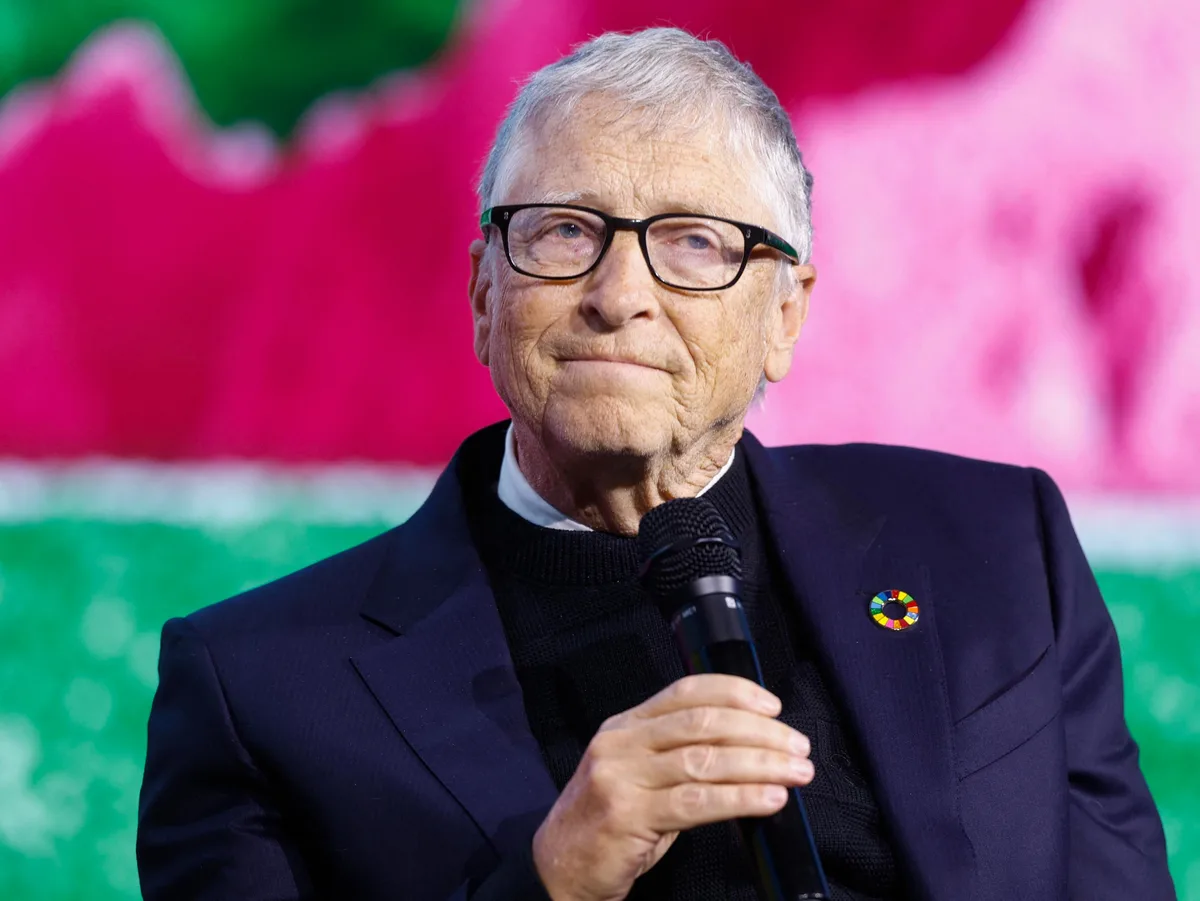
The Gates Foundation is betting $1 billion that AI can help make the world a better, more equitable place. | Stefan Jerrevang/TT News Agency On stage at Davos in the Swiss Alps earlier this year, Bill Gates, before an audience of the global do-gooding elite, announced a $50 million partnership between his foundation and an unlikely new ally, OpenAI, aimed at improving healthcare in Rwanda.
Just a month earlier, the Gates Foundation had released a harrowing report about widespread global health cuts and collapsing foreign aid infrastructure, documenting a rise in child deaths for the first time this century.
But at Davos, even as the US hemorrhaged funding for vaccines, maternal healthcare, and HIV treatment, the Microsoft co-founder struck an optimistic tone.
“Using innovation, using AI,” Gates told Reuters , “I think we can get back on track.” As it turns out, the partnership was just an opening salvo for what’s become a wholesale embrace of AI by the world’s largest global health philanthropy.
A $200 million partnership with Anthropic came just a few months later.
And then, this Tuesday, the Gates Foundation announced a plan to dole out a jaw-dropping $1 billion over the next two years for scaling up AI interventions across healthcare, education, and agriculture around the world.
The sense that AI will soon change everything, and mostly for the worse, has perhaps never felt so pressing and alarming as it does right now .
But this hefty new commitment is premised on the idea that AI could eventually make our lives much better too.
In a country like America, AI requires massive investments and buildout — in the grid, in power, in technology, in water.
In many parts of Africa, already infrastructure-poor, the foundation is effectively betting that AI can compensate for some of the infrastructure that isn’t in place or that has been lost — and offer a new layer that can help in education, in delivering healthcare, and more.
The Gates Foundation’s new commitments include projects to improve how farmers analyze their crops, how doctors diagnose patients, and how students learn.
Some have already proven to be quite effective, according to the foundation, with one tool improving the accuracy of medical diagnoses by 16 percent across several Kenyan clinics.
“In poorer countries with enormous health worker shortages and lack of health systems infrastructure,” Gates wrote on his blog earlier this year, “AI can be a game-changer in expanding access to quality care.” Last year’s foreign aid cuts were unfathomably destructive for some of the world’s poorest countries, shuttering thousands of clinics and perhaps hundreds of thousands of classrooms in places where critical workers and supplies were already stretched thin.
5News aggregated this summary from the outlet’s public feed. The full article, with all the context, is on www.vox.com — the content belongs to Vox.