Waymo is eating into the ride-hailing market in some cities. The fallout for human drivers stays fuzzy.
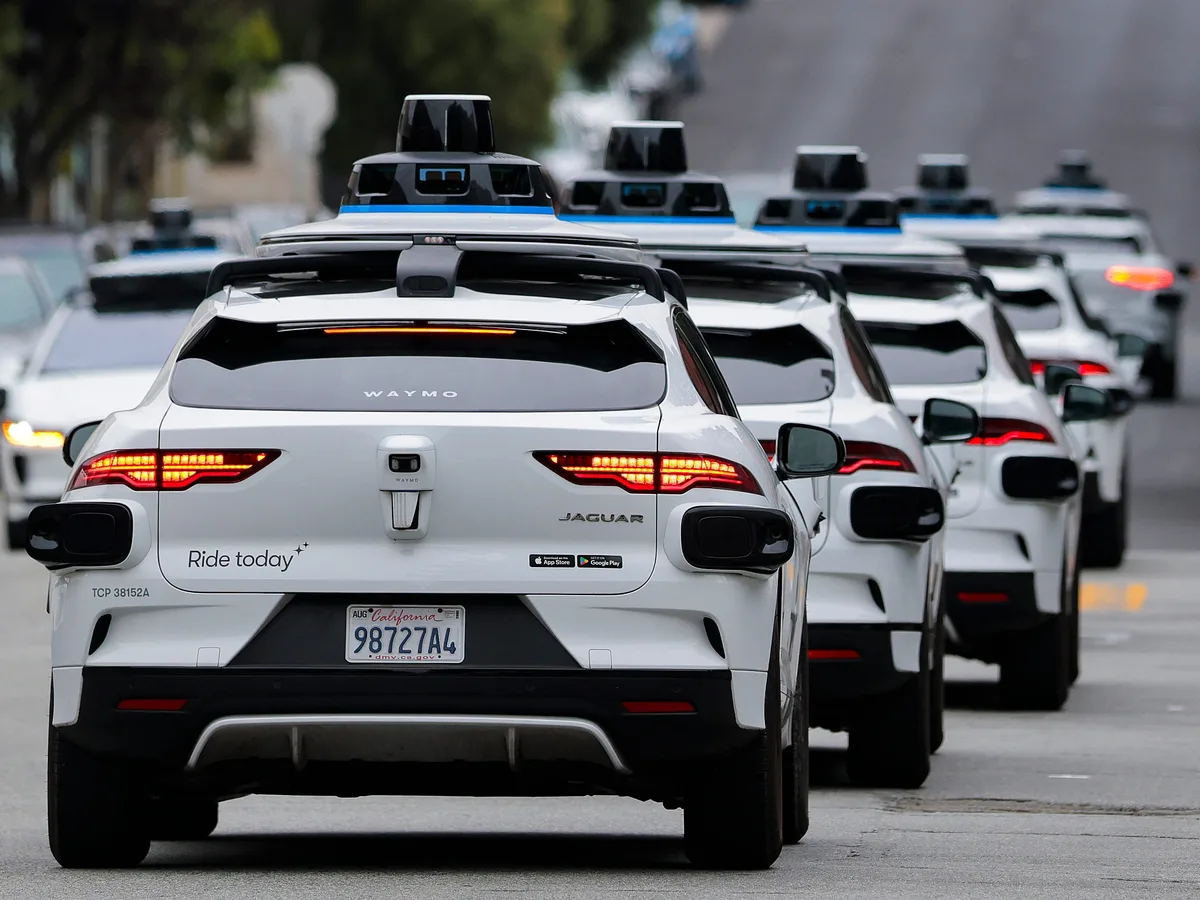
Waymo's robotaxis captured roughly one in every seven dollars spent on rides in its San Francisco operating zone in June.
Yalonda M.
James/San Francisco Chronicle via Getty Images An Uber executive shared third-party data on X showing Waymo's standing in its most mature markets.
The data showed Waymo taking 15% to 19% of rider spending in SF, LA, and Phoenix.
Waymo maintained its foothold as it expanded its geofence in some of the regions.
Alphabet's Waymo is taking a bite out of ride-hailing in its most mature markets, third-party data showed.
And that share is large enough that its effects on human drivers could be detectable, Gad Allon, a Wharton professor who studies the gig economy, said.
Just don't expect it to look like a visible wave of displaced drivers.
"My initial view is that the impact would not first appear as large numbers of drivers suddenly losing their jobs," Allon told Business Insider.
"Because driver supply is flexible, the earliest effects would likely show up in utilization, longer waits between rides, fewer trips per hour, and possibly more unpaid repositioning." Utilization refers to the percentage of a driver's time online spent on paid trips.
Data from Yipit, a market research firm, estimated that Waymo accounted for 15% of gross bookings — dollars spent on rides — in San Francisco and Los Angeles in June and 16% in Phoenix.
In January, the figures were 16%, 17%, and 19%, respectively.
Yipit calculated the shares among Waymo, Uber, and Lyft by looking at trips that begin and end inside Waymo's operating zones, a Yipit spokesperson said.
Estimates are based on email receipts from a sample of about 1.5 million active US consumer accounts.
5News aggregated this summary from the outlet’s public feed. The full article, with all the context, is on www.businessinsider.com — the content belongs to Business Insider.