Ukrainian soldiers are finding deceptive uses for their unjammable fiber-optic drones as ambush tactics spread
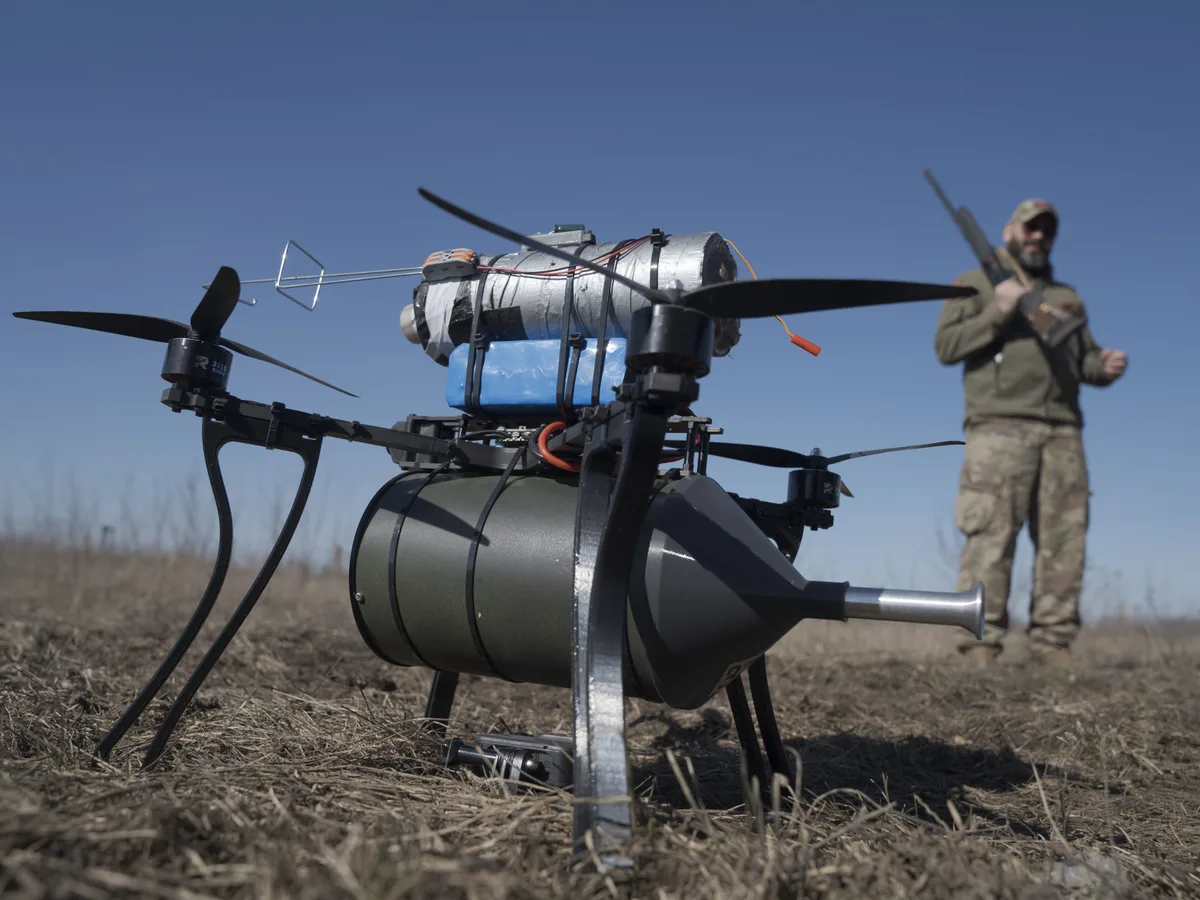
Ukraine can let its fiber-optic drones lie in wait and draw Russian soldiers out.
Jose Colon/Anadolu via Getty Images Ukraine is using fiber-optic drones in deceptive new ways, a soldier said.
They can gather close-up intel on Russian bunkers and help shape attacks.
Drones that wait to strike are becoming a growing battlefield threat.
Ukraine is using fiber-optic drones in increasingly deceptive ways, relying on their resistance to electronic warfare and close-range video feeds to scout Russian positions, study bunkers and dugouts, and create unusual openings for attacks, a soldier said.
These jamming-resistant drones have been on the battlefield for over two years, and they have become an important tool for both sides, allowing troops to surveil and attack without their drones being brought down by electronic warfare.
Dmytro "Liber" Zhluktenko, a former drone operator who is now an analyst in Ukraine's 413th Unmanned Systems Regiment "RAID," told Business Insider that Ukrainian operators are increasingly using fiber-optic drones in atypical ways — such as deception and ambush — to "create tons of chaos." He said that some operators have their drones play dead or purposefully lie in wait on the battlefield, exploding at just the right time to kill an approaching soldier or expose a protected enemy position rather than simply flying directly into a target and detonating on impact.
He said fiber-optic drones are also helpful for studying Russian bunkers and dugouts because they can capture high-quality video of "all of the entrances, because you get the perfect footage, you could literally figure out what type of cover that they have on their entry to their dugout, and what you should do to open it." Close-range reconnaissance is one of the drone's best uses, Zhluktenko said.
Before hitting Russian dugouts and bunkers, drone operators can gather "very good intel" and "very precise intelligence at very, very close range." While they can be used to chase and attack, he said, there are limitations that make them less than ideal for those missions.
These drones, which are connected to the operator by a thin data cable, are slower than the untethered FPV drones, and the fiber-optic cables can "break quite easily when you just give it a full throttle." For fiber-optic drones, pilot commands and video feeds are transmitted through a physical cable instead of over radio frequency connections, which can be jammed by electronic warfare .
The cable is delicate and can snap if caught on trees or obstacles.
Some soldiers carry scissors to cut through any cables they come across.
Fiber-optic drones are relatively new to the battlefield but have changed tactics.
5News aggregated this summary from the outlet’s public feed. The full article, with all the context, is on www.businessinsider.com — the content belongs to Business Insider.