Study shows which illness and injuries rise during hot spells
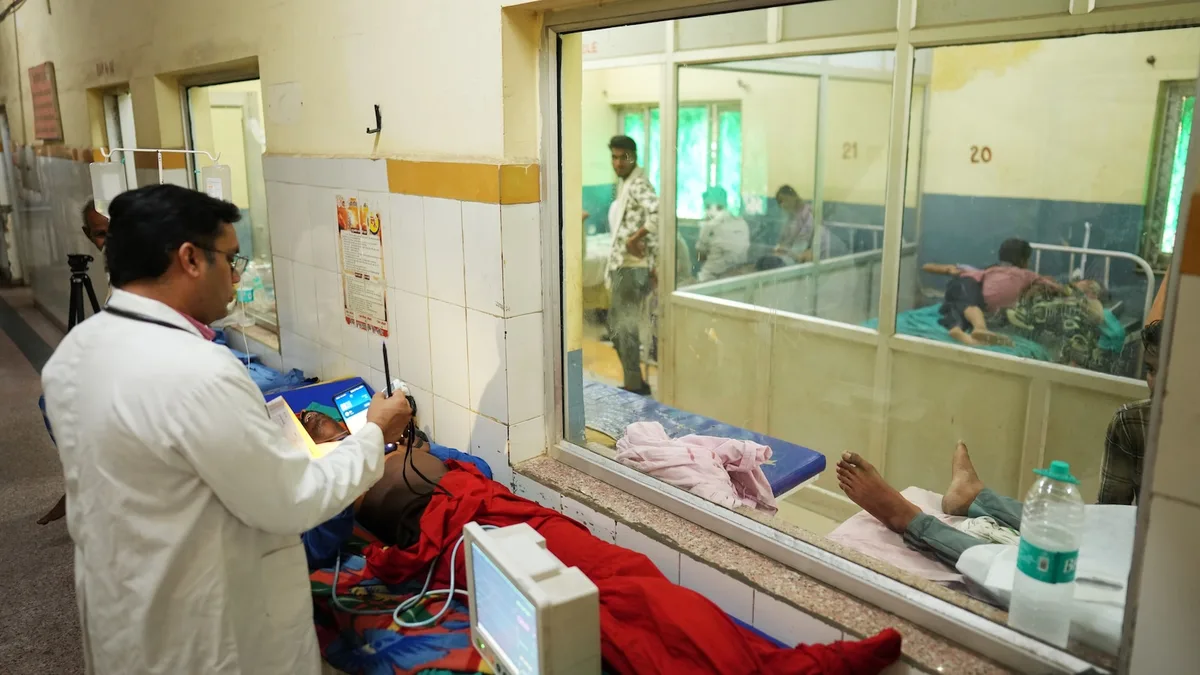
A massive study shows what illnesses and injuries spike in emergency room visits during heat waves in Chicago
WASHINGTON -- WASHINGTON (AP) — When the temperature heats up , so do emergency rooms, according to a massive study of Chicago hospital and urgent care records, which found increased accidental gunshot wounds, kidney complaints, skin problems, varicose veins and even mental health issues related to marijuana use.
Northwestern University medical school researchers pored through records of 916,404 visits to hospital emergency rooms and urgent care centers in Chicago from 2011 to 2023 to see if they could spot trends in illnesses and injuries when the temperature hits 92.6 degrees (33.7 degrees Celsius) or higher. They found when it gets hot, more than a dozen broad categories of injuries and illness become more frequent, including some that most people don't associate with heat, according to the study in Wednesday's Science Advances.
While the study looked only at Chicago, outside experts said it highlights underestimated health problems and rising costs that infect much of the warming world .
“The sound of the city is the sound of ambulances,” said study senior author Dr. Abel Kho, an internal medicine professor at Northwestern. “Hot days are just like, something’s going to happen.”
“When there’s heat, there’s a much higher likelihood of people having external injuries, as well as complications of certain conditions, specifically those related to kidney disorders or things like exacerbations of drug effects, like cannabinoids,” said Kho, a former emergency room physician.
Some problems doubled, tripled or, in the case of accidental gunshot wounds, jumped more than 30-fold compared to days under 92 degrees, the study said. Unspecified injuries from assault showed an even bigger increase, the data showed.
This study “helps confirm that we’ve been underestimating health risks from heat exposures,” said Dr. Jonathan Patz, chair of health and environment at the University of Wisconsin, who wasn't part of the research.
“It also is a reminder that the price of climate change is increased illness, strain on our health care system and health care costs,” said Dr. Courtney Howard, a Canadian emergency room physician, chair of the Global Climate and Health Alliance and president-elect of the Canadian Medical Association. She was not part of the study.
Northwestern researchers looked through all the records to see what became more frequent, instead of just focusing on known heat-related problems.
“Heat-related illness is undercounted when studies only search for explicit heat codes like heat stroke,″ said Dr. Nicholas Cozzi, president-elect of the Illinois College of Emergency Physicians. He wasn’t part of the study.
Researchers found an association between high temperatures and individual medical problems, but that's not the same as a cause-and-effect, Kho said.
5News aggregated this summary from the outlet’s public feed. The full article, with all the context, is on abcnews.go.com — the content belongs to ABC News Technology.