KPMG’s CEO on why AI safety isn’t another Y2K and why business leaders are thinking hard about talent right now
On New Year’s Eve 1999, while the world waited to see whether the Y2K bug would knock out computer systems at midnight, Tim Walsh was looking at an apartment near Times Square.
“Probably not the smartest place to be if the whole world was gonna come to a stop,” he said.
Midnight came and went, nothing happened.
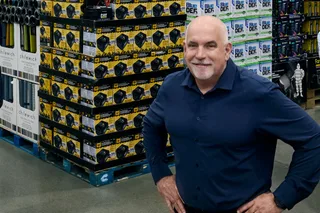
Walsh, now KPMG’s U.S. chair and CEO, doesn’t think AI will end the same way.
“I don’t think AI is Y2K,” he told Fortune in an interview ahead of the release of the firm’s 2026 U.S.
CEO Outlook and what he described as a plethora of conversations about safety and cyber-risk.
“Something’s happening and it’s really, really big.” Cybersecurity ranked first among the risks CEOs listed.
Eighty-five percent said cybercrime and cyber insecurity will affect their organization’s prosperity over the next three years.
That’s more than said so of inflation, geopolitics or the pace of technology change.
Forty-eight percent are increasing cyber investment over the next three years, the highest share for any risk.
And 56% named cybersecurity as a challenge in rolling out AI, ahead of ethics, data readiness and cost.
CEOs said AI itself is a big part of why they’re spending more on cyber.
Seventy-eight percent cited AI-powered social engineering and targeted attacks, 76% cited AI-assisted malware or phishing, and 73% cited data and privacy risks from deploying AI agents.
Walsh had just spent two days on the West Coast meeting with developers of frontier models.
5News aggregated this summary from the outlet’s public feed. The full article, with all the context, is on fortune.com — the content belongs to Fortune.