What It Means to Build a Truly Sustainable Ocean Economy
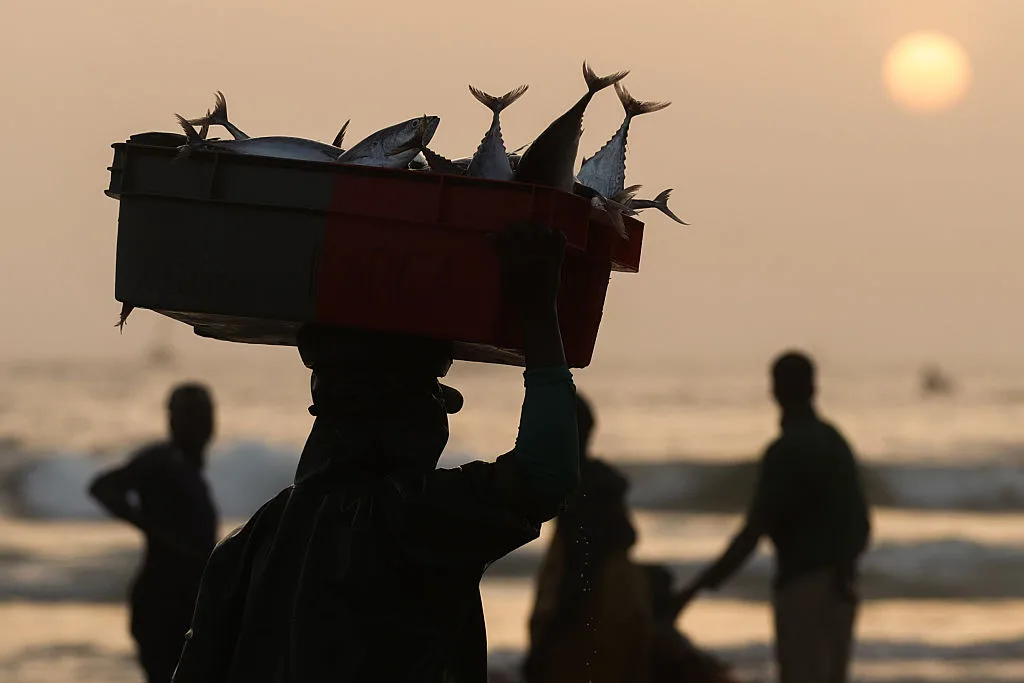
A silhouette of people fish as the economic and ecological importance of oceans is highlighted as part of the World Oceans Day on June 7, 2026, in the capital Dakar, Senegal. —Cem Ozdel/Anadolu—Getty Images The future of humanity is being built along the world’s coastlines.
Around 2.4 billion people live within 100 km (62 mi.) of a shoreline, including roughly one billion within 10 km (6.2 mi.).
This narrow band of land, about 5% of the inhabited world, generates an estimated 30–50% of global GDP.
It contains many of our fastest-growing cities, ports, energy systems, tourism economies, fisheries, and water infrastructure.
In this small sliver of the planet, the foundations of a new blue economy are already being laid, once set, they will be difficult to change.
We have a narrow window in which to decide what kind of economy will emerge from the ocean.
More than three billion people depend on the ocean for their livelihoods.
Yet the ocean economy, valued in the trillions, is steadily eroding the ecosystems that make this activity possible.
Fish stocks are under pressure.
Coral reefs are approaching catastrophic thresholds.
Mangroves, seagrasses, and wetlands that protect communities from storms and rising seas continue to disappear.
Without deliberate intervention, this blue economy will simply default to the familiar extractive model that has already depleted so much of the natural world.
But we have an opportunity to take a different path, to shape it instead around a more resilient and equitable form of prosperity.
The world must do more than simply slowing the depletion of our oceans.
5News aggregated this summary from the outlet’s public feed. The full article, with all the context, is on time.com — the content belongs to TIME.