Scientists made edible cookies out of plastic
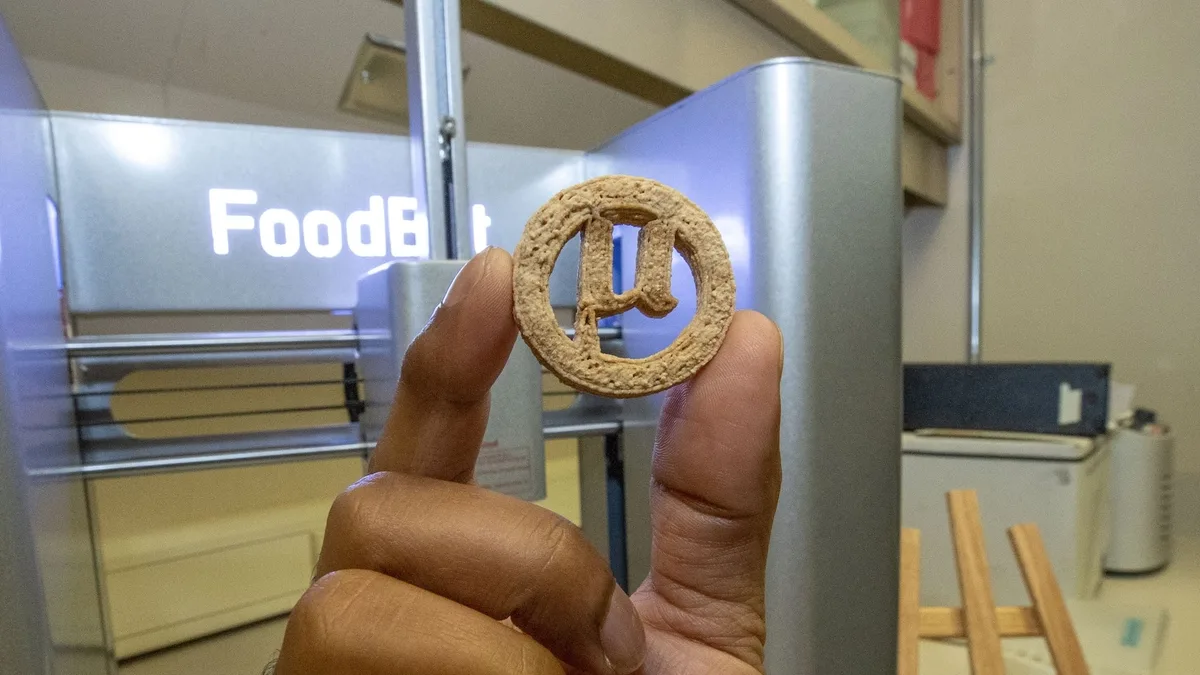
Scientists have transformed PET plastic into nutritious edible cookies, an innovation that could help address both pollution and hunger in one fell swoop.
That is, if people can accept the idea of eating it.
Dubbed "µBites" (pronounced "microbites"), the cookies are made using yeasts that have been programmed to turn plastic into edible protein.
Sandhya Jayasekara, a Southern Illinois University Carbondale graduate research assistant, presented the project during the American Chemical Society's Fall 2026 meeting on Monday.
SEE ALSO: Yes, alternative meat can help stop climate change.
Here's why.
Commonly used to make disposable water bottles, PET plastic has low impurities, and is composed of approximately 60 percent carbon, 30 percent oxygen, and four percent hydrogen .
Meanwhile, protein is formed from amino acids , which consist of a central carbon atom bonded to four other groups.
"We were trying to develop technologies for plastic upcycling to make more valuable products," associate professor Lahiru Jayakody said in a statement.
"We thought, why not focus on making food? Because plastic is carbon and food is carbon." To transform PET plastic into food, researchers went through a 32-step process which included using microorganisms to convert molecules into proteins, vitamins, and even flavourings.
Microbes such as fungi and bacteria are already commonly used in the food industry , such as in fermentation, as well as to make molecules like insulin .
Specific strains of bacteria have also been found to be capable of breaking down PET plastic .
However, breaking down plastic then reforming it into something edible is newer territory.
“Global food demand is expected to rise 35 to 56 percent by the year 2050, and about 30 percent of the world population will be at risk of hunger in the future," said Jayakody.
5News aggregated this summary from the outlet’s public feed. The full article, with all the context, is on mashable.com — the content belongs to Mashable.