Is it safe to use a USB-C laptop charger on your phone?
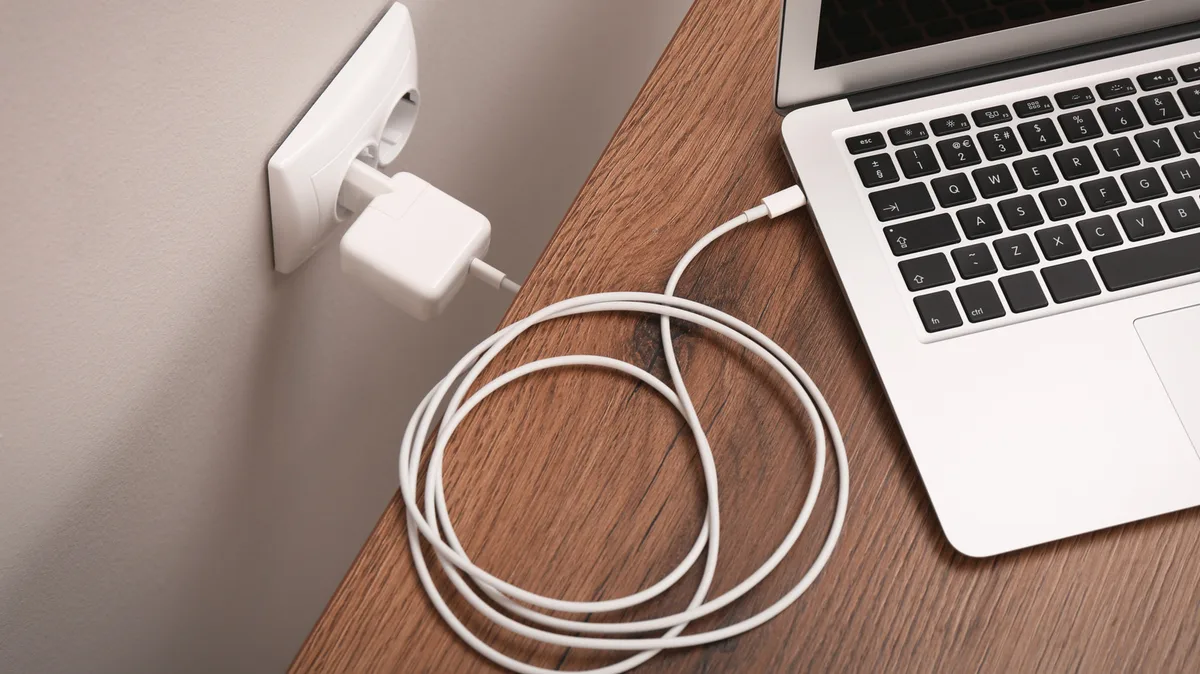
Something you should know is that a USB-C laptop charger does not simply force maximum wattage into a phone. In fact, modern USB-C charging is governed by the USB Power Delivery standard, which is a protocol that enables a charger and a device to communicate before any significant power is transferred.
That said, just because using a high-power charger is considered to be generally safe doesn't mean there aren't situations that come with a risk. Charging results can vary depending on the charger, cable, phone model and charging protocol involved. A high-quality USB-C laptop charger from a reputable manufacturer is usually fine for a modern smartphone, but older devices, cheap accessories and damaged cables can still create issues.
USB Power Delivery (USB-PD) is a charging standard developed by the USB Implementers Forum (USB-IF) that governs how power flows between a charger and a device. The key thing to remember here is that it's not the charger pushing power into your phone, but rather the phone pulling exactly what it needs.
When you plug in a device, there's a back-and-forth happening. The charger will transmit its full range of power levels to the smartphone, and the smartphone will accept the highest level it can safely use from the list. Because of this negotiation process, a high-wattage charger cannot fry your phone's circuits. The phone will never actually absorb more power than its internal components are designed to handle.
In short? Almost always, provided both devices were made in the last decade or so. All recent iPhones, Pixel phones, Galaxy devices, MacBooks and most Windows laptops these days support USB-PD. When both your charger and phone are USB-PD compatible, the negotiation process described above kicks in automatically and you can use that combination every day without issue.
So what happens if one or both devices lack USB-PD support? It's still generally fine because a USB-PD charger connected to a non-USB-PD phone will simply default to a safe output. Even if the negotiation steps are skipped, the phone will charge slowly but safely. Similarly, a non-USB-PD charger connected to a USB-PD phone will cap out at 5V/3A, which is more than enough for a slow, safe charge.
However, if your phone is limited to 18W or 20W input, plugging it into a 100W laptop charger won't make it charge any faster, as the phone will only pull what it's rated for. More watts on the charger label doesn't mean more speed; it just means the charger has headroom for other devices. Since you'll most often see 100W, 140W or higher on multi-port chargers, those maximum outputs are designed to "cover" all plugged-in devices. The reverse, namely using your phone's charger with your laptop, won't deliver the same quick charge you are used to achieving. Oh, and you shouldn't expect impressive results if you use your car's USB ports to charge your laptop , either.
You should still exercise caution when charging your devices, especially if you have cheap, uncertified chargers.
5News aggregated this summary from the outlet’s public feed. The full article, with all the context, is on www.engadget.com — the content belongs to Engadget.