Is This the End of AI Shame?

There was a time—a more innocent age—when you could read an op-ed in a major newspaper and confidently say that a human had written it.
Hold on to the memory of that for as long as you can.
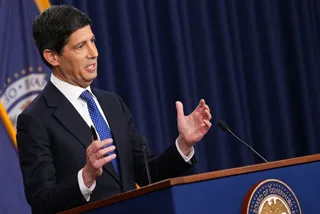
This week, after the billionaire investor Stanley Druckenmiller published an editorial in The Wall Street Journal criticizing Treasury Secretary Scott Bessent, his onetime protégé, readers began to notice some familiar tics of AI writing.
According to Pangram, the AI-detection tool, the op-ed was 100 percent AI-generated.
That in itself was not so shocking.
AI writing has regularly snuck into mainstream outlets, and especially newspaper op-ed pages , despite policies against it.
Up to now, those accused of passing off a computer’s writing as their own have tended to either apologize or deny it.
In April, James Taranto, the Journal ’s editorial-features editor, wrote a column comparing Pangram to a “defamation machine” that was fueling unfounded accusations of AI use, including in op-eds he had overseen.
“Those of us who practice writing as a professional craft have an ethical duty, and sometimes a contractual obligation, to ensure that our work is original,” he wrote. [ Read: The most famous AI writing tic is also the most mysterious ] The difference this time is that Druckenmiller owned it.
“Of course I used AI,” he told NOTUS on Tuesday.
“I’m not embarrassed by it,” he added.
“I write everything using AI now for the same reason I use a calculator when I do math problems.” And rather than rebuke him, The Wall Street Journal ’s editorial-page editor, Paul Gigot, defended the practice.
“AI is a fact of modern life,” he said in a statement.
Last night, Gigot followed up with a full column on the subject, mocking the “media pharisees” who wag their fingers at automated writing.
5News aggregated this summary from the outlet’s public feed. The full article, with all the context, is on www.theatlantic.com — the content belongs to The Atlantic.