Colin Kaepernick on Threats He Faced, His NFL Exile, and That Jay-Z Lyric
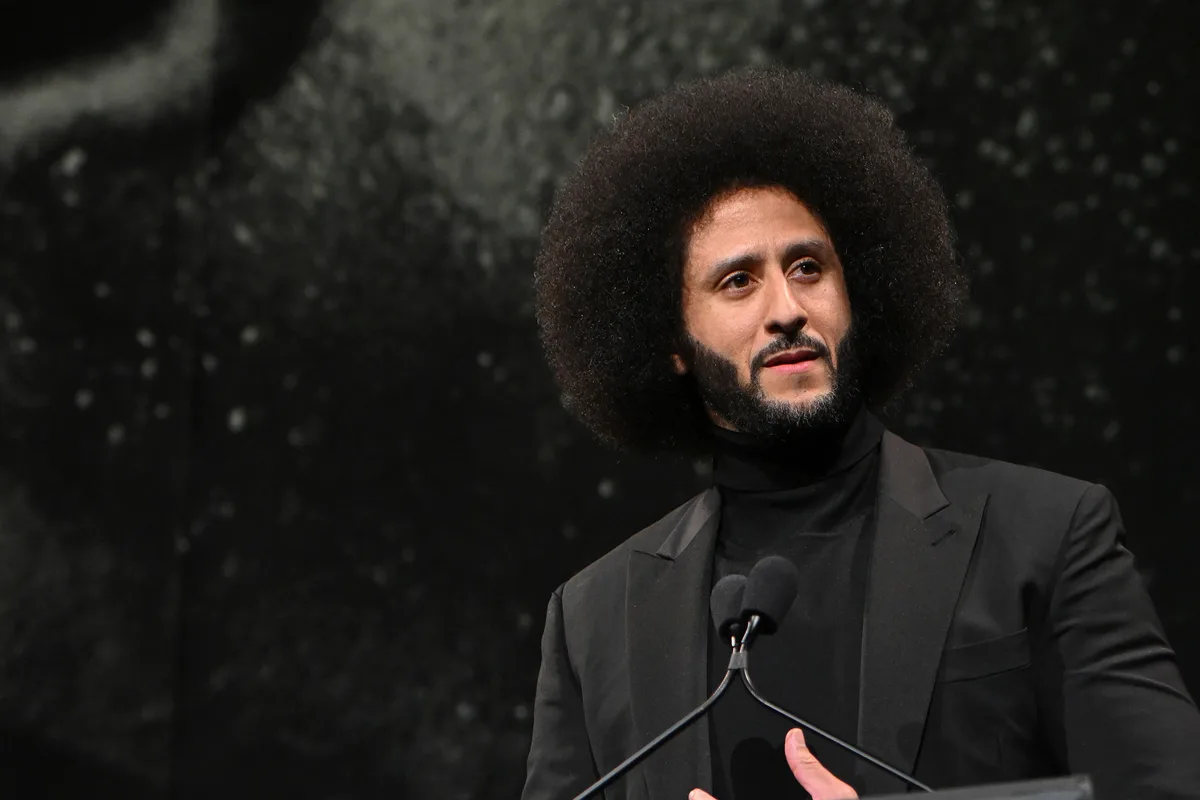
Colin Kaepernick speaks onstage during The Gordon Parks Foundation Awards Dinner and Auction on May 19, 2026 in New York City. —Noam Galai—Getty Images Following a string of high-profile police shootings of Black men 10 years ago, San Francisco 49ers quarterback Colin Kaepernick began protesting such incidents by sitting during the national anthem at preseason games.
What began as a quiet action turned into a fevered national debate about freedom of expression, patriotism , and so much more.
In Kaepernick’s new memoir, The Perilous Fight , the quarterback explains that his action was spontaneous.
He wasn’t even in uniform on August 13, 2016, the first time he sat during the anthem.
“I hadn’t given the anthem a second’s thought before I walked out onto the field that day, but it hit me in that moment that I should find a seat,” Kaepernick writes.
“I didn’t want to stand up while that song was playing.
Rosa Parks had refused to give up her seat on the bus to a white person in 1955.
Muhammad Ali wouldn’t step forward when his name was called by the draft board for the Vietnam War in Louisville in 1967.
Tommie Smith and John Carlos raised black-gloved fists in the air during the playing of the anthem at the 1968 Olympics.
They didn’t like what they saw, the way this nation touted its commitment to justice and at the same time showed little interest in it, and they took action.
Those inspiring Americans had the courage of their convictions and literally changed the world in the process.” Kaepernick, despite leading the 49ers to the Super Bowl in 2013 and throwing 16 touchdown passes, against just four interceptions, for a bad 49ers team in 2016, hasn’t played in the NFL since that season.
In 2019, he and former teammate Eric Reid , who joined Kaepernick in kneeling during the anthem, settled a collusion lawsuit against the NFL.
Now, a decade after he etched his name in history, Kaepernick talks with TIME about why he hasn’t spoken up much about his protests , his relationship with the anthem today, his differences with Jay-Z, and the state of policing in the United States. (This interview has been edited and condensed for length and clarity) You’ve released a book, The Perilous Fight .
Why tell your story now? One, it's 10 years since the protest.
5News aggregated this summary from the outlet’s public feed. The full article, with all the context, is on time.com — the content belongs to TIME.