Swedish voters go to polls to choose a new parliament as hard right bids for role in government
Sweden’s national election was too close to call early Monday with preliminary results giving the left-wing opposition a narrow three-seat advantage over Prime Minister Ulf Kristersson’s right-wing coalition
STOCKHOLM -- STOCKHOLM (AP) — Sweden’s national election was too close to call early Monday, with preliminary results giving the left-wing opposition a narrow three-seat advantage over Prime Minister Ulf Kristersson’s right-wing coalition and days of uncertainty until the final ballots are counted.
Preliminary results showed a very narrow lead for the opposition and former Prime Minister Magdalena Andersson's bid to return to office at the head of the left coalition. But Kristersson also said he would explore “possibilities" given the close result.
With 94% of the vote counted early Monday, the Swedish Election Authority reported the four opposition parties were heading for 176 seats in the 349-seat parliament to 173 seats for the government alliance.
The outcome of the election may not be decided until Wednesday, when local election boards count early votes that did not make it to the polling stations by Election Day. This includes, among others things, overseas votes.
Andersson told supporters that “we must wait for the final election result” but added that “right now we are leading ... But we have to wait for the final result.”
Kristersson has led Sweden since 2022 with a three-party center-right coalition. It relied on outside support from the Sweden Democrats, an anti-immigration party that has far-right roots but has moved toward the political mainstream, for a parliamentary majority. The Sweden Democrats had been promised Cabinet posts this time if the governing coalition were returned to office.
“When we have the final result it's a good idea to look at possible combinations,” he said early Monday, adding that “there is a very clear non-socialist majority, or non-left leaning economic majority in the Swedish parliament. And I will actually take note of that and at least figure out whether there are any possibilities.”
Sweden Democrat's leader Jimmie Åkesson said that “we will not know tonight” who will form the next government. The party's support slipped to just under 18%, down about 3 percentage points from its 2022 result, and it fell from second to third place.
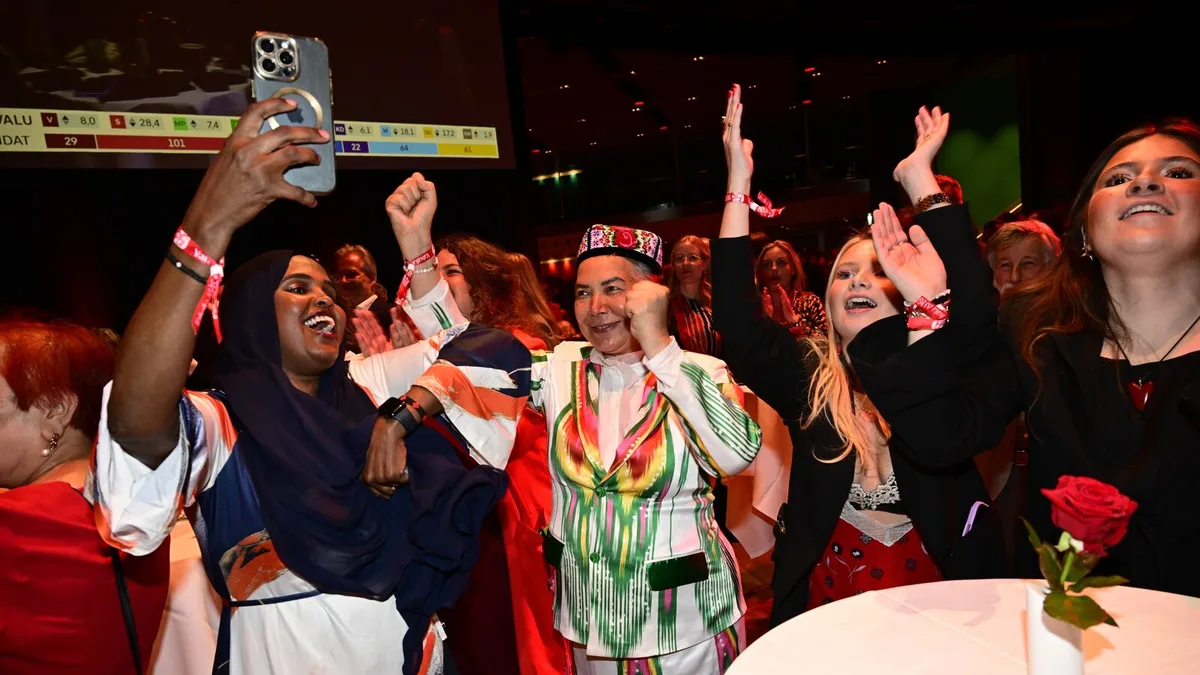
Exit polls from public broadcaster SVT had initially shown the left-wing parties ahead by several percentage points. The exit polls set off jubilation at the Social Democrats’ election gathering but the mood shifted to quiet waiting as the results indicated a closer race.
The center left Social Democrats have led most Swedish governments since World War II. Andersson served as prime minister from 2021 until she lost power at the last election. To return to office she would have to seal a coalition agreement with other parties.
There are two major political blocs: one with four parties on the right and another with four parties on the left. So the big question is less about which party wins and more about which side can form a majority.
5News aggregated this summary from the outlet’s public feed. The full article, with all the context, is on abcnews.go.com — the content belongs to ABC News International.