Thursday, October 8, 2026 SourcesAbout🌓
🇺🇸 US ▾
BREAKING
› Dominion still has pending lawsuits against election deniers such as Rudy Giuliani and Sidney Powell› Russia is 'going backwards' in equipment and deploying post WWII-era tanks, according to Western officials› Podcast: One country musician is calling for other artists to oppose assault rifles› Bidets save you money and reduce waste — we tested the best options out there› 50+ products to make your life easier and our planet cleaner› Mother's Day is around the corner. Here are 50+ thoughtful gifts she'll love› A head-to-toe guide of how men should dress this spring, and where they should shop› 42 of the most useful travel products you can buy on Amazon› The 7 best high-yield savings accounts of April 2023› Taxes are due tomorrow. Here's how to file for an extension› Dominion still has pending lawsuits against election deniers such as Rudy Giuliani and Sidney Powell› Russia is 'going backwards' in equipment and deploying post WWII-era tanks, according to Western officials› Podcast: One country musician is calling for other artists to oppose assault rifles› Bidets save you money and reduce waste — we tested the best options out there› 50+ products to make your life easier and our planet cleaner› Mother's Day is around the corner. Here are 50+ thoughtful gifts she'll love› A head-to-toe guide of how men should dress this spring, and where they should shop› 42 of the most useful travel products you can buy on Amazon› The 7 best high-yield savings accounts of April 2023› Taxes are due tomorrow. Here's how to file for an extension
Technology

Chemistry Nobel goes to reactions like those that gave life a hand
Ars Technica ·
Chemistry Nobel goes to reactions like those that gave life a hand

Life is remarkably selective.

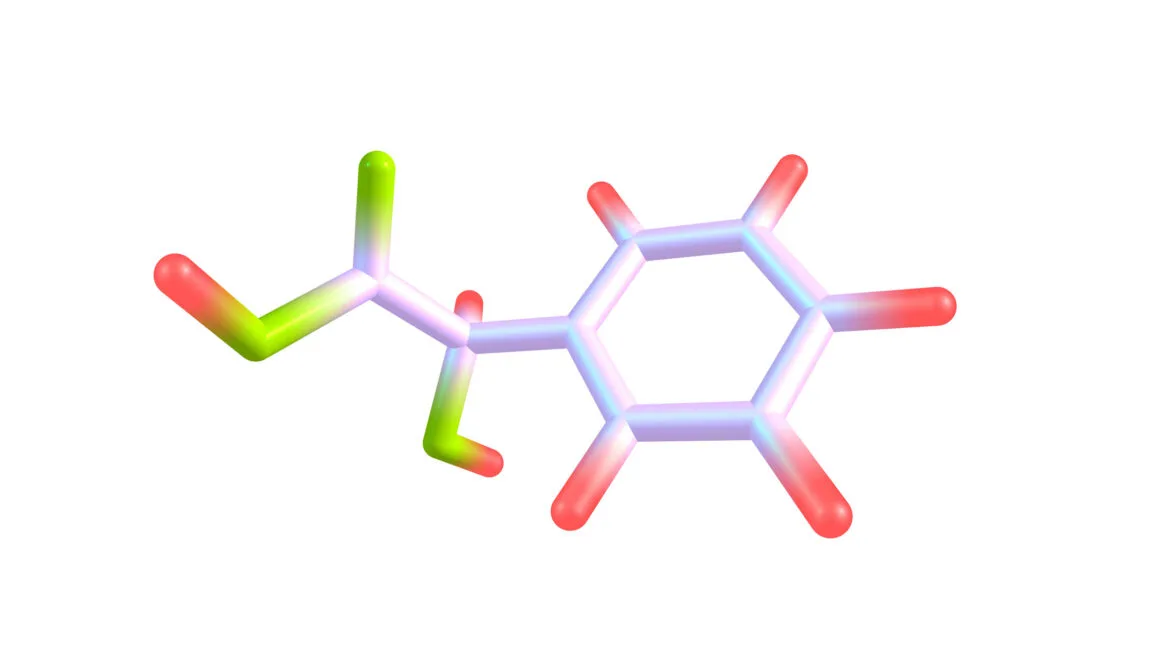
Life relies on many molecules with what is termed "handedness"—they're chemically identical but are mirror images of each other.

Most chemical reactions will make a 50-50 mix of the left- and right-handed forms of a chemical, but life uses only one of them.

In fact, because of the differences between left- and right-handed chemicals, most of the key enzymes used by organisms will fail to work if they're presented with chemicals that have the wrong handedness.

That poses a bit of a challenge for origin-of-life research, as we're forced to explain how a world that may have started with an even mix of left- and right-handed chemicals produced organisms that only used one of them.

Today's Nobel Prize in Chemistry goes to two individuals, Henri Kagan and Kenso Soai, who discovered chemical reactions could be biased, producing large excesses of one of the two forms of a chemical.

Read full article Comments

Read the full article on Ars Technica ›

5News aggregated this summary from the outlet’s public feed. The full article, with all the context, is on arstechnica.com — the content belongs to Ars Technica.

More from Ars Technica

See all ›

More in Technology

See all ›