EU to restrict social media for kids under 15
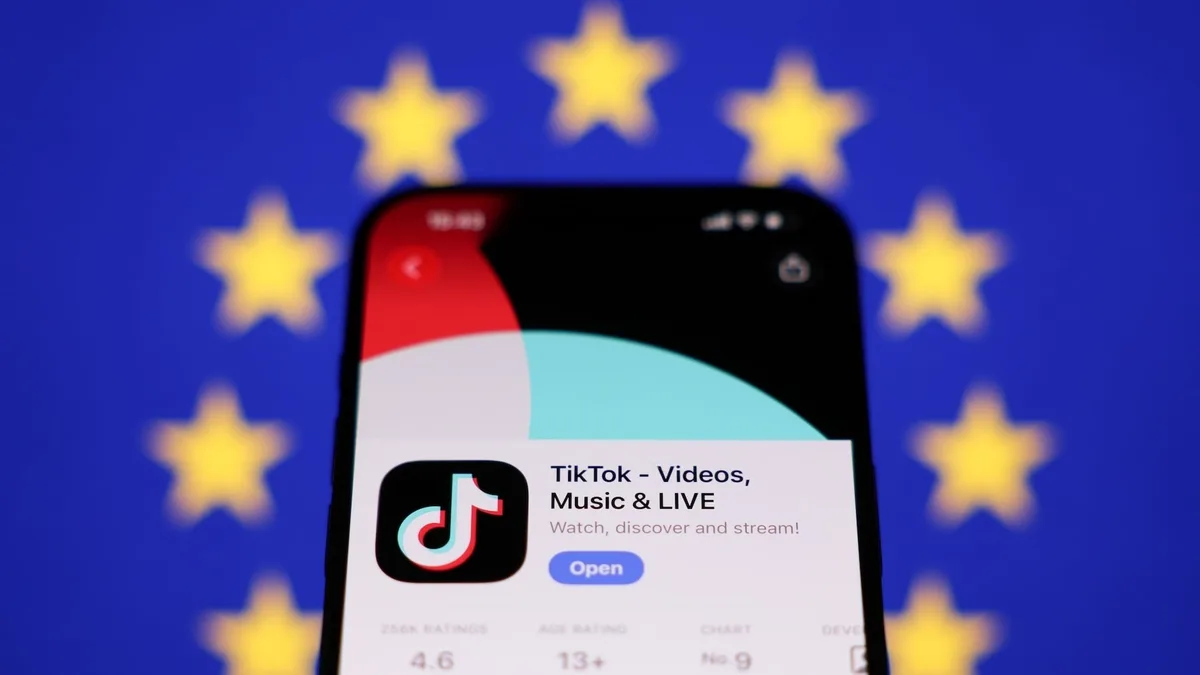
The latest social media ban for kids ? All 27 countries in the European Union.
Announced Thursday after plans revealed in July , the proposed EU KIDS Act will "enhance the online safety of children," banning kids in the EU under 15 from setting up their own accounts on social media platforms like TikTok, Instagram, and Snapchat.
Children under 15 will be allowed "mini" social media accounts set up by a parent or guardian (with parental controls always on), but will be limited to a maximum of one hour per day.
Kids under 13, however, won't be allowed social media accounts at all.
The European Commission, the EU's executive body, described these measures as intended to "delay" kids' use of these platforms.
SEE ALSO: Which countries have banned social media for kids? The bill won't just cover social media, however, with video-sharing platforms, online gaming, AI chatbots or companions, and even app stores targeted by the law.
If passed, all 27 member states of the EU will be included in the bill, from Austria to Sweden, with the EU stating , "The internet does not stop at borders.
Countries are adopting their own age limits and rules, which would mean a patchwork of laws: a child protected in one country and not in the next." Like Australia's precedent-setting social media ban and subsequent moves in other countries , the EU KIDS Act will also require tech companies to "show that their services are age-appropriate and safe by design," enforcing strict rules that will limit "addictive design features" like infinite scrolling and banning minors from livestreaming.
Online platforms with 45 million or more actively monthly users in the EU will need to submit a compliance plan to the Commission.
Fines for companies who don't comply could be as much as six percent of worldwide annual revenue.
Importantly, age verification will be required for online platforms via the EU age verification app or third-party platforms.
Online age verification laws have become a worldwide government trend alongside these online safety acts , while coming under criticism for efficiency and their impact on digital privacy and free speech .
Featured Video For You Is ChatGPT Changing the Way We Write? Ursula von der Leyen, President of the European Commission, said in a press statement, "Today, our children are engaging with the most sophisticated technologies ever created.
Technology that was never created with their wellbeing in mind.
5News aggregated this summary from the outlet’s public feed. The full article, with all the context, is on mashable.com — the content belongs to Mashable.