Cattle ranchers express concern about boosting foreign beef imports
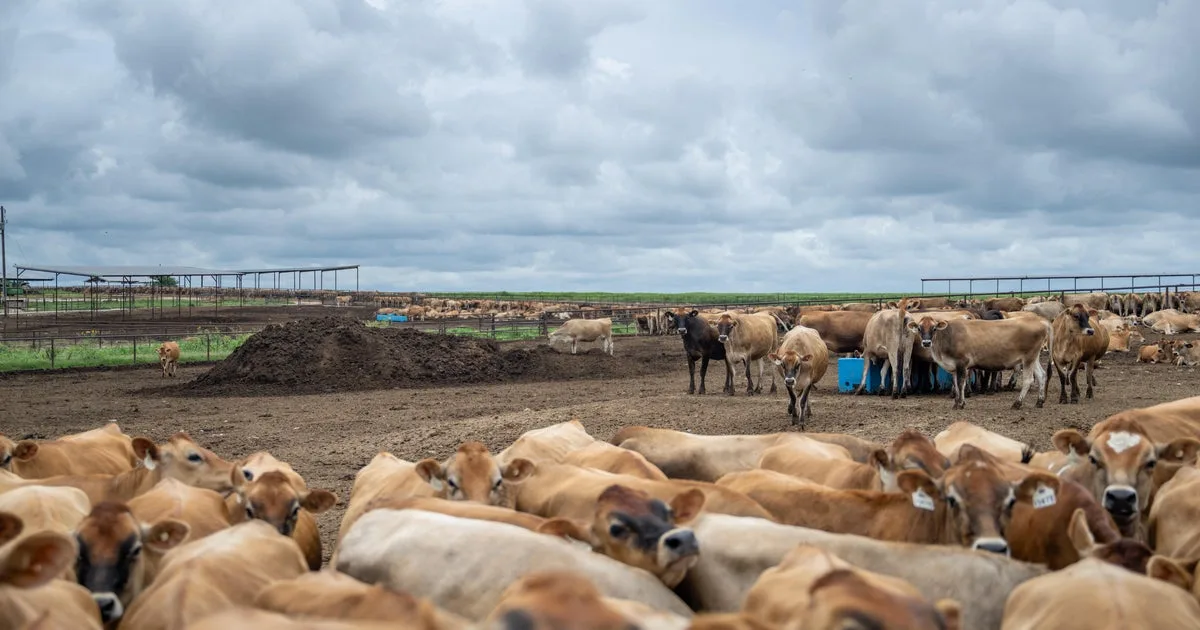
Cattle ranchers are speaking out against a Trump administration plan to temporarily waive higher tariffs on ground beef imports, arguing it will undercut their business and prevent them from rebuilding their dwindling cattle herds.
President Trump announced on Truth Social last week that the U.S. will import 300,000 metric tons of ground beef — about 661 million pounds — while easing tariffs, allowing it to be sold at 25% below market price.
The deal is scheduled to take effect on Sept. 1, according to a description of the proclamation on the White House website. It applies to lean beef trimmings, which can be blended with higher-quality domestic beef to create ground beef, according to Purdue University economists.
U.S. beef prices have surged to nearly $7 a pound, up roughly 63 cents over the last 12 months and $2.93 a pound since 2021. The White House said that temporarily expanding imports will lower beef costs for consumers.
"This action includes key safeguards to maximize cost savings while protecting American ranchers from foreign imports and giving space for American ranchers to grow the domestic herd," the White House added.
Despite such reassurances, the plan to boost U.S. imports of foreign beef has drawn criticism from some cattle ranchers , who fear it could drive down the prices they receive for their cattle. Falling prices, compounded by rising production costs, would make it harder for ranchers to expand their herds — the main factor driving up beef costs for consumers.
Shawn Harris, a rancher based in Georgia and a Democratic nominee for the state's 14th Congressional District, said the plan could run cattle ranchers like him out of business.
"Right now, we got crazy input costs when it comes to tariffs and diesel, fertilizer, everything," he said in a recent interview with CBS News . "And now farmers are about to sell cattle, and we're going to lose money on this deal."
The American Farm Bureau Federation, a trade group for the agricultural industry, said the timing of the Trump administration's import plan is particularly concerning because the import window coincides with the peak sales period for farmers between September and November, when they have to make key decisions about their herds.
Kimberly Ratcliff, CEO of Ratcliff Premium Meats, a ranching business that sells beef, thinks the Trump administration's plan to temporarily ease tariffs and boost beef imports could offer relief to consumers in the near term. But it won't help ranchers rebuild their herds and deal with high production costs, she said.
Ratcliff, who sources cattle from producers in East Texas to turn into beef products, told CBS News that ranchers are being forced to make difficult decisions about whether to keep or sell their cows amid the market uncertainty.
"Right now, it's costing $1,100 a year just to keep a cow. That's a lot of inputs to put in a cow when you're unsure what the market's going to do," she said, adding, "They're willing to take the price that they can get now."
White House spokesperson Anna Kelly said Mr. Trump has bolstered the U.S.
5News aggregated this summary from the outlet’s public feed. The full article, with all the context, is on www.cbsnews.com — the content belongs to CBS News.





