There be monsters: what Odysseus can teach us about innovation when maps fail
The Various-Minded Leader .
I have long thought that The Odyssey is the greatest work written on innovation leadership.
Christopher Nolan’s recent film reminded me of another time when the world was awash in ambiguity and leaders needed to navigate the perilous voyage across unfamiliar territory.
Over 30 years ago, before I had published any of my books on innovation, I was asked to make a presentation to the Aspen Institute as part of a summit on “Tomorrow’s Corporation.” The august speakers included an Oxford don, a Harvard strategy professor, a New York Times reporter, and … me, the lone representative for the young and technologically adept, unencumbered by conventional wisdom.
The implied theme was the disruptive effect of the rapidly emerging internet and the imminent dislocation of the familiar commercial landscape.
I called my talk “How Far to Ithaca?” I started with a simple proposition: There is no data on the future, and that’s where innovation happens.
As such, the greatest obstacle to genuine transformation is getting stuck in the planning cycle.
You know, the meeting about the meeting, the report about the report.
The better, and the new, are seldom found in the safe harbor of the planning meeting.
They are discovered well beyond the bounds of the strategic map, where the winds shift, the old answers sink, and the pilot must find the way by dead reckoning.
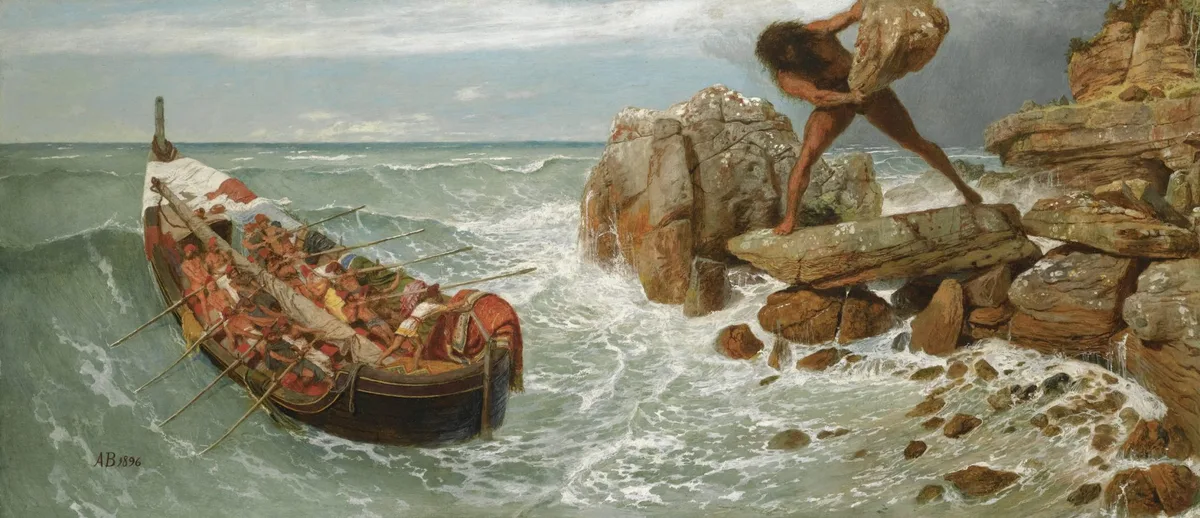
Then I advanced my central thesis: Odysseus as the archetype of the modern leader, driven off course by outrageous fortune and forced to adjust his plan as he went along.
To describe this form of active and adaptive creative thinking, I coined a term: creativizing .
The presentation at Aspen was a shipwreck, but somehow the term made it to shore.
In the decades since, I have studied this problem as a business school professor, written books about it, and worked with organizations trying to innovate when the old answers no longer work.
5News aggregated this summary from the outlet’s public feed. The full article, with all the context, is on fortune.com — the content belongs to Fortune.